Mon–Sun: 12 AM–11:30 PM Serving Columbus since 1994

Double Tapped Neutrals – Why This Means Danger For Your Home

A common panel wiring problem that didn't get a clear code fix until 2002.
Double Tapped Neutrals – Why This Means Danger For Your Home

Get in touch

Call, text, or schedule online

★★★★★
“This company is top notch! Chris and Morgan were efficient knowledgeable and customer focused! …”
James R. · Google review

What double tapped neutral wires actually do

Double tapped neutrals are one of those panel problems that look harmless until they're not. The term refers to more than one neutral wire connected under a single lug on the neutral bus bar inside your electrical panel. It's more common in Columbus-area homes than most homeowners realize, partly because the National Electric Code didn't clearly address it until 2002, and partly because panel manufacturers weren't always consistent in their own guidance. If your home was built or wired before that, it's worth having a qualified electrician take a look.

Matt Wehrle

Written by

Matt Wehrle · Owner, Safe Electric & Plumbing & Plumbing

What is a double tapped neutral?

"Double tapped" is a slang term electricians use when more than one neutral wire is feeding into a single screw on the neutral bus bar inside the panel box. Each circuit is supposed to have its own dedicated terminal. When two neutrals share one lug, you lose the ability to isolate them cleanly. If a technician needs to disconnect one neutral to work on its circuit, loosening that lug also disturbs the other neutral wires sharing the same terminal, including wires from energized circuits that are still live. That's when things get unpredictable. Power surges can result on those energized circuits, and the risk of injury or damage goes up considerably.

Why loose connections lead to arcing: and fire
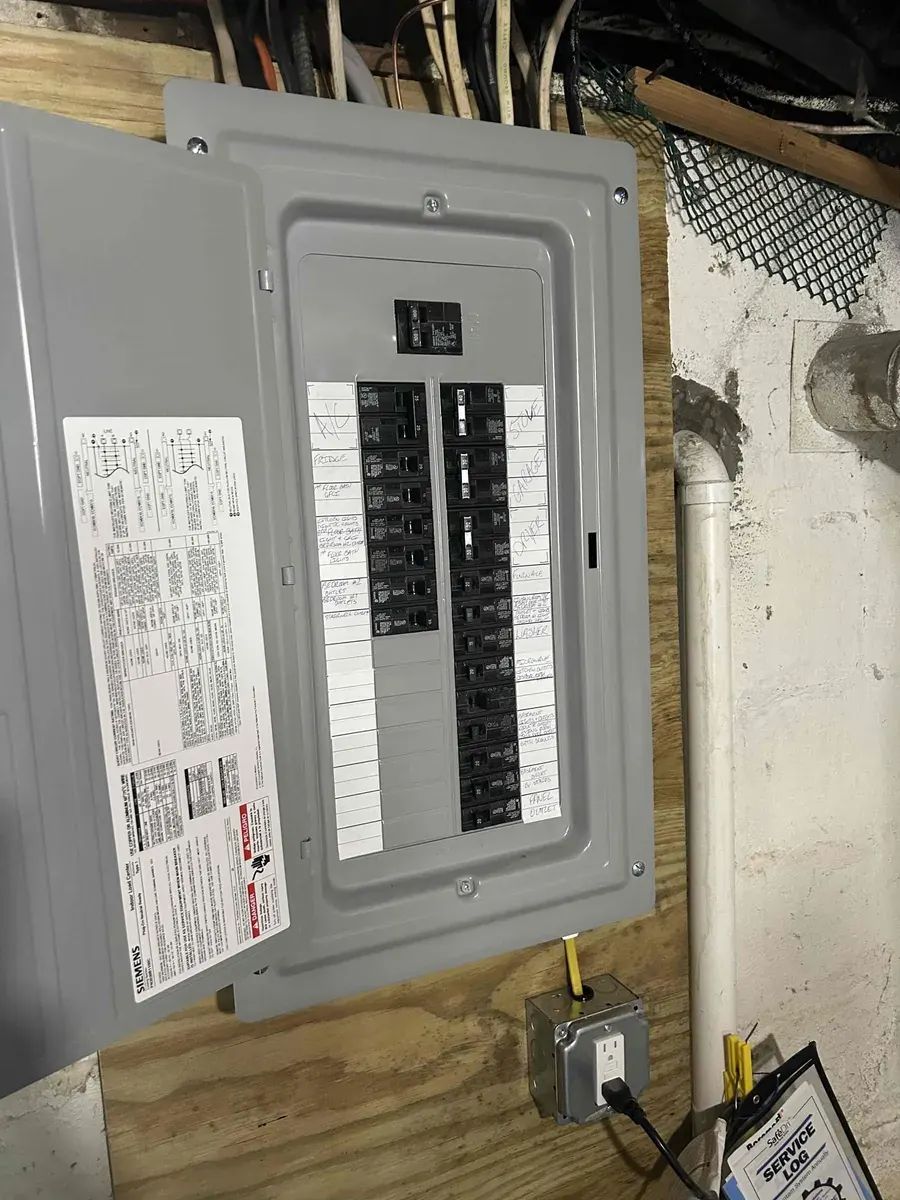
When more than one neutral wire is wedged under a single lug, the combined thickness makes it harder to get a solid, lasting connection. The connection may feel tight when it's first made, but over time, especially with the heating and cooling cycles that every panel goes through, it loosens. A loose neutral connection doesn't just cause flickering lights or tripped breakers. It causes arcing. Arcing is when current jumps a gap between two conductors and produces a plasma discharge. Inside a panel box, that arc can ignite surrounding materials. It can also go undetected for a long time before anything visible happens. By then, the damage may already be done. This is the reason common home electrical problems like unexplained circuit failures or warm panels deserve more than a reset.
double tapped neutrals work, illustration in Columbus, OH

Heat buildup at the lug: what an infrared camera shows

A thermographic infrared camera makes the problem visible in a way that a standard visual inspection can't. When a double-tapped neutral lug is carrying too much current or has developed a loose connection, it generates heat. That heat radiates outward, and the infrared camera maps it as a hot spot inside the panel box, often glowing significantly warmer than the terminals on either side of it. This is one of the tools a qualified electrician can use during an electrical inspection to identify a problem before it becomes an emergency. The heat doesn't mean the panel is about to fail tonight, but it does mean the condition is active and getting worse.

The science behind the neutral wire

Understanding what the neutral wire actually does helps explain why sharing its terminal matters.

What a neutral wire does

The neutral wire completes the 120-volt AC circuit. It provides the return path back to the electrical panel, where it's connected and bonded to the earth ground. Without a reliable neutral, the circuit can't function safely.

What electric current is

Electric current is the rate of flow of electric charge past a point or region. The neutral wire is responsible for carrying that return current safely back to the panel, which is why a compromised neutral connection affects the entire circuit, not just one device.

Why sharing a lug disrupts both circuits

When two neutrals share a single terminal, the return current from two separate circuits is running through one connection point. If that connection loosens, both circuits are affected, and neither one is isolated the way it needs to be for safe service work.

Why this problem stayed under the radar for so long

The code wasn't clearly spelled out in the National Electric Code until 2002. Before that, the language was ambiguous enough that some electricians interpreted it differently, and some panel manufacturers didn't make the restriction obvious in their own documentation. That means a lot of homes built or rewired in the 1980s and 1990s may have double-tapped neutrals that were installed by people following the practices of the time. It's not necessarily a sign of sloppy work. It's a sign that the standards have caught up to what the science always showed. If your home is older or you've been flagged for this on a home inspection report, the right move is to have a licensed electrician evaluate the panel and rewire it correctly. This is also something that comes up frequently when Columbus homeowners consider an electrical service upgrade, upgrading the panel is the right time to fix underlying wiring issues like this one.

What to do if you have double tapped neutral wires

A few straightforward steps for Columbus homeowners who have been told, or suspect, they have this problem.

Get it confirmed by a licensed electrician

Don't assume a visual inspection from a home inspector settles it. A licensed electrician can open the panel, trace the wiring, and tell you exactly how many lugs are affected and what it will take to correct them.

Ask about infrared scanning

A thermographic camera check during the inspection can show whether any of the double-tapped lugs are already generating heat, which tells you how urgent the repair is.

Discuss your options for the fix

In most cases, the solution is adding a terminal or rewiring affected circuits to dedicated lugs. On older panels, this may point toward a broader panel evaluation. A qualified electrician can walk you through what makes sense for your specific panel.

Questions about your panel? Call (614) 267-4111.

Safe Electric & Plumbing has been working on Columbus-area panels since 1994. If you've had a home inspection flag double-tapped neutrals, or you just want a straight answer about the condition of your electrical system, call Matt's team. Available nearly 24/7.

Call (614) 267-4111
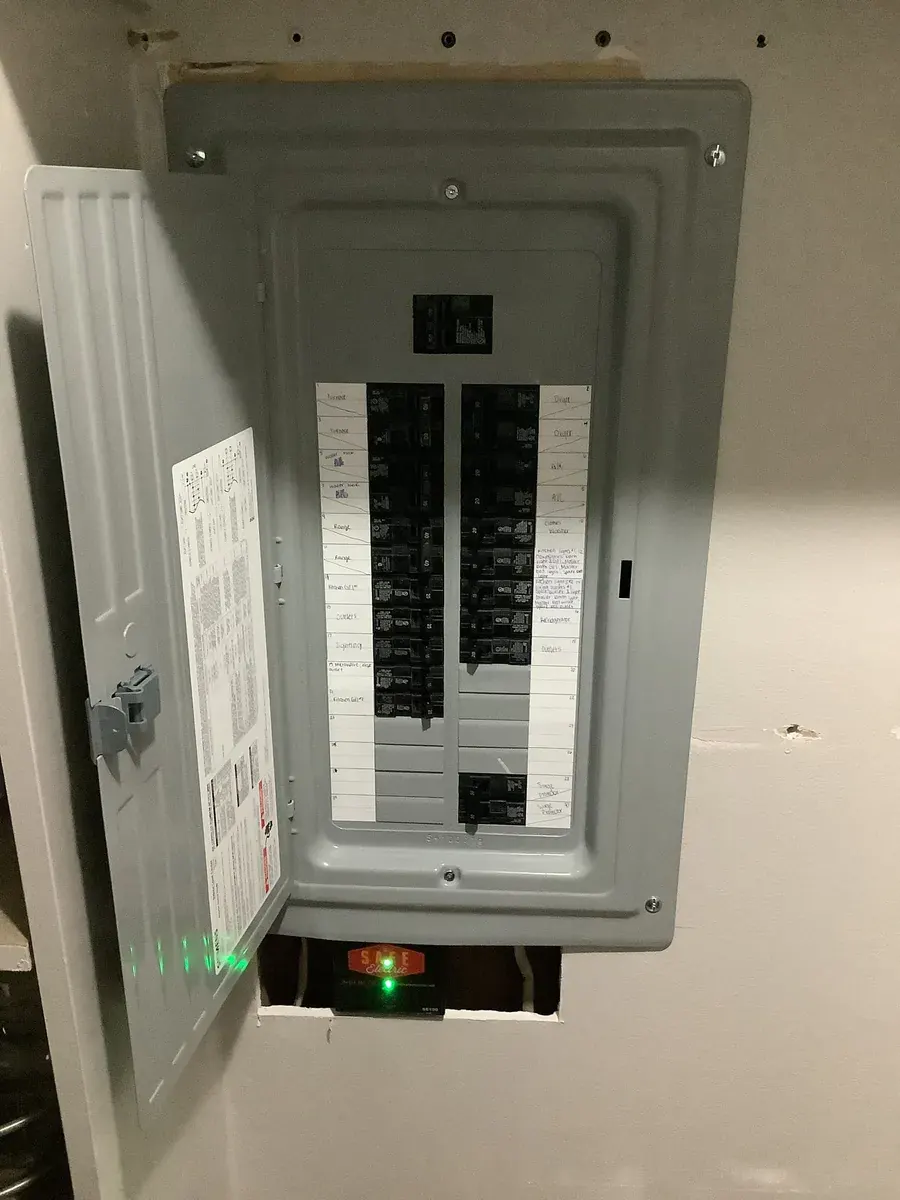
double tapped neutrals work, illustration in Columbus, OH

Double tapped neutrals: what Columbus homeowners ask

Not on the list?(614) 267-4111Mon–Sun: 12 AM–11:30 PM
Is a double tapped neutral an immediate emergency?
Not always, but it's a condition that gets worse over time. If an infrared scan shows active heat buildup at the lug, the repair is urgent. If there's no heat yet, it still needs to be corrected, loose connections don't stay stable under the normal heating and cooling cycles a panel goes through every day.
Will this show up on a home inspection?
It often does. Home inspectors typically flag double-tapped neutrals as a deficiency that requires evaluation by a licensed electrician. If you're buying or selling a home in Columbus and this has come up on an inspection report, call us before you close.
Can a homeowner fix this themselves?
No. Working inside a panel box involves live conductors. This is work for a licensed electrician. The fix also needs to be done correctly the first time, improper corrections can introduce new problems while appearing to resolve the original one.
How is a double tapped neutral different from a double tapped breaker?
They're related but different problems. A double tapped breaker means two hot wires share one breaker terminal. A double tapped neutral means two neutral wires share one lug on the neutral bus bar. Both are wiring deficiencies, and both need to be corrected by a licensed electrician. You can read more about panel types and configuration if you want to understand the broader picture.