Mon–Sun: 12 AM–11:30 PM Serving Columbus since 1994

Electrical Panel Types: Classification & Options

What's inside your walls, how each panel type works, and when to upgrade.
Electrical Panel Types: Classification & Options

Get in touch

Call, text, or schedule online

★★★★★
“Tyson was the best! He was on time and took his time to make sure everything was correct and to explain everything to me. …”
Allison V. · Google review

How Your Home's Electrical Panel Works

Modern homes require electricity to function. Most people don't understand how electricity makes its way into the home or how it is distributed throughout the residence. They know where the utility lines are coming into the home and where their electrical panel is. However, electrical panels are more complex than they realize.

There are several electrical panel types, and each one works differently. Understanding the differences matters, especially if you're buying an older Columbus-area home, adding circuits, or running a generator. The sections below cover every common panel type, what it does, and when you might encounter it.

Matt Wehrle

Written by

Matt Wehrle · Owner, Safe Electric & Plumbing & Plumbing

Main Breaker Panel
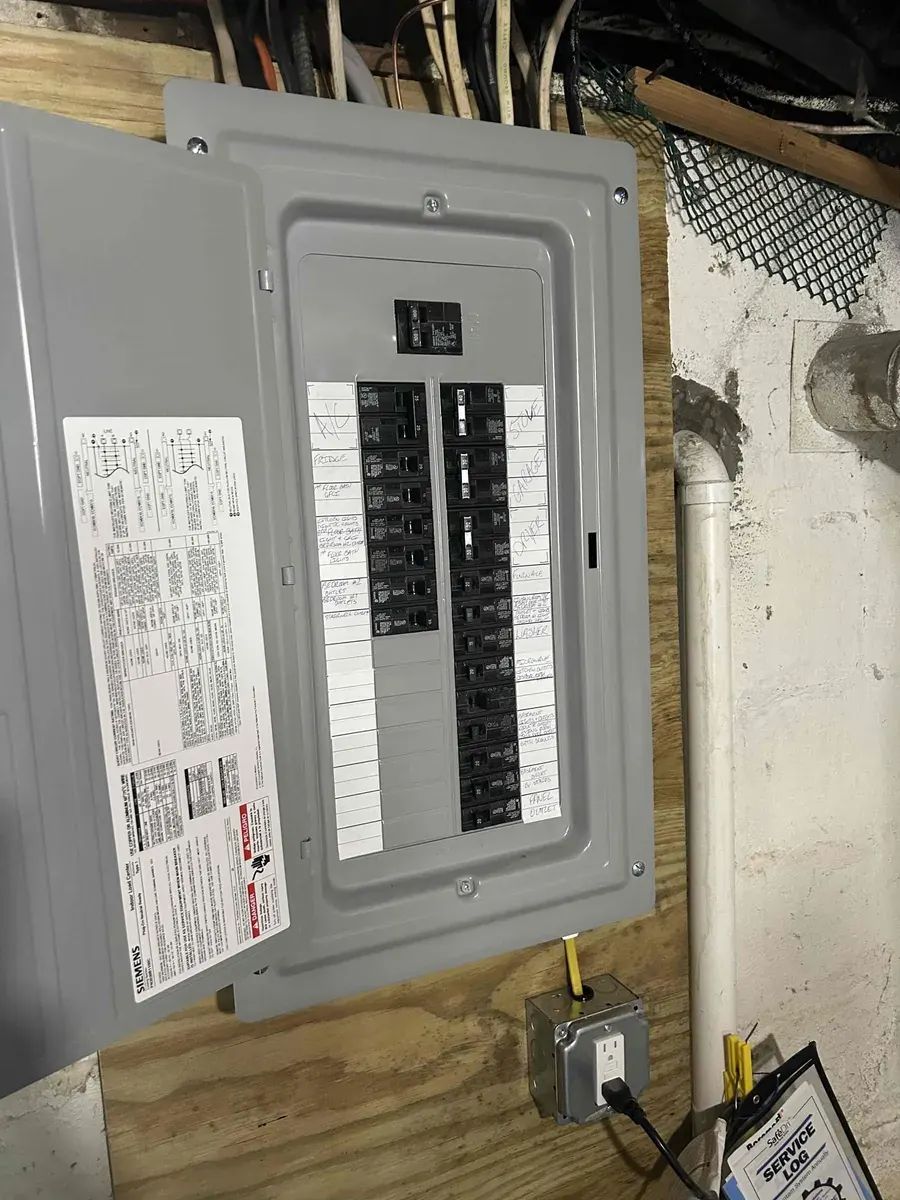
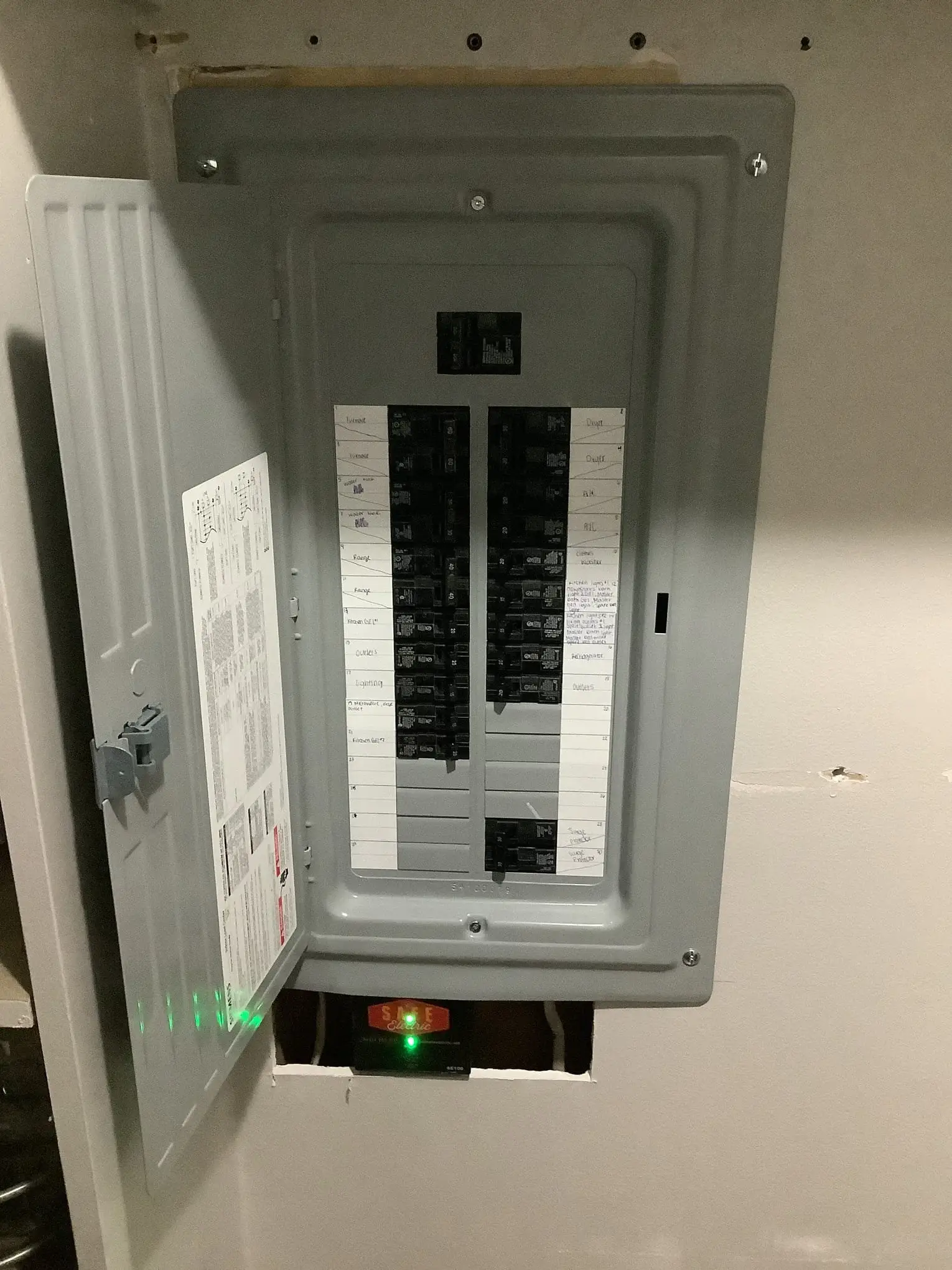
The main breaker panel is what most people picture when they think of an electrical panel. This is the most common of the electrical panel types, and it controls the flow of electricity coming into the home. It distributes current to the different circuits throughout the house while protecting them with individual breakers. The main breaker itself sits at the top of the panel. It controls all power entering the box and can shut off electricity to the entire home in a single switch. Inside the panel, you'll also find ground and neutral bus bars. These are essential for routing excess current safely out of the system and preventing overheating. Most modern homes run on a 200-amp main breaker panel. This capacity supports today's standard electrical loads: central HVAC, kitchen appliances, home offices, and, increasingly, EV chargers. If your panel is rated below 200 amps and your household's electrical demand has grown, a service upgrade is worth discussing.
panel types work, illustration in Columbus, OH

Fuse Boxes

Fuse boxes continue to be found in many older Columbus-area homes, particularly those built before the 1960s. These older electrical panel types protect against excessive current flows and system temperature increases. The fuse, much like a modern circuit breaker, functions to protect the home's electrical system from excessive temperatures or a power surge. If the fuse detects either, it burns out or blows. The key difference from a circuit breaker: a blown fuse cannot be reset. It must be replaced. Standard fuse boxes hold a maximum of 12 fuses, and their total capacity is typically rated at 60 amps, a fraction of what a modern home requires. For reference, a single window air conditioner can draw 15 amps on its own. A 60-amp fuse box was designed for a world without central air, electric dryers, or dishwashers. If your home still has a fuse box, it may be time to talk about replacement. You can read more about the differences between fuse boxes and circuit breakers in our breakdown of the topic.

Main Lug Panel

Main lug panels are structurally similar to main breaker panels, with one significant difference: they lack a main breaker. Line wires in this panel run directly to a lug, an electrical connector, rather than through an integrated shutoff. Because there's no built-in main breaker, power to this panel is cut at the meter instead. That means a homeowner or utility worker can disconnect power to the home without stepping inside. Main lug panels are most commonly used as sub-panels. A Safe Electric & Plumbing electrician can connect a main lug panel to the primary breaker panel when the main box has run out of available circuit slots. That said, we often recommend evaluating whether a full main panel upgrade makes more long-term sense, especially in homes where electrical demand is growing.

Sub-Panels

A modern home might need circuits in locations far from the main panel, a detached garage, a finished basement, a workshop, or a home addition. When the circuits can't reasonably run back to the main panel, a sub-panel is the practical solution. A sub-panel draws its power from a single circuit on the main panel but contains its own set of circuit breakers to serve the area it feeds. One important limit: the breakers inside the sub-panel cannot exceed the amperage of the breaker connecting it to the main panel. Size that feeder breaker correctly, and the sub-panel can safely handle everything from lighting circuits to 240-volt appliances. Sub-panels are also a common approach during electrical remodeling projects, any time a significant addition or renovation requires more circuits than the main panel can accommodate without a full replacement.

Transfer Switches

Homeowners who use a generator to power the home during a grid outage typically have, or need, a transfer switch. This device does exactly what the name suggests: it takes generator power and routes it into the home's electrical system. In most installations, the transfer switch is wired into the home's breaker panel. When the grid goes down, the homeowner starts the generator and manually transfers the electrical load. More sophisticated setups use an automatic transfer switch that detects the outage and switches to generator power on its own. Transfer switches are a safety requirement, not an option. Connecting a generator directly to household wiring without a transfer switch creates a serious risk of backfeeding, sending power out onto utility lines, which can injure or kill lineworkers. If you're running a generator, make sure the installation includes a properly wired transfer switch. A Safe Electric & Plumbing electrician can evaluate your setup and confirm it meets current code.
panel types work, illustration in Columbus, OH