Home Generator: Not a DIY Project
What Columbus homeowners need to know before buying and installing a standby generator.
“Bryce let me know exactly what was needed and informed me what he would do!”
Pros, Cons, and What Installation Really Takes
If you live in an area that sees frequent or extended power outages, or you're thinking ahead after a rough Ohio winter, a whole-home generator is worth considering. Generators run on natural gas or liquid propane and kick on automatically when the power goes out, keeping your heat, refrigerator, and critical systems running until the grid comes back.
What a lot of homeowners don't realize is that installing one is not a weekend project. Hooking up a standby generator involves electrical work, gas line connections, concrete pad placement, carbon monoxide setback requirements, and permits. Get any one of those wrong and you're looking at a failed inspection, a voided warranty, or a serious safety hazard. Here's an honest look at both sides of the decision, plus what proper installation actually involves.

Written by
Matt Wehrle · Owner, Safe Electric & Plumbing & Plumbing
What a Standby Generator Actually Does
Home Generator Pros
For the right household, a standby generator pays for itself the first time the power stays out for three days.
Reliable Backup Power
When the grid goes down, whether for hours or days, your home keeps running. Heat in January, air conditioning in July, and a functioning refrigerator at all times.
Automatic Operation
Standby generators switch on and off without any action from you. No extension cords, no running outside in the dark, no manual startup procedure.
Adds Home Value
A permanently installed generator is a selling point, particularly in areas with aging infrastructure or storm exposure. Buyers notice it.
Home Generator Cons
These aren't reasons to walk away. They're reasons to go in with clear expectations.
Upfront Cost
Standby generators are a significant investment. The larger and more powerful the unit, the higher the equipment and installation cost. Size it carefully, more capacity than you need wastes money every month.
Infrequent Use
If your neighborhood rarely loses power, the return on that investment feels slow. That calculus changes fast after one multi-day outage.
Noise Restrictions
Generators run loud. Some Columbus-area municipalities and HOAs have noise ordinances for outdoor equipment. Check local rules before you buy a unit.
Propane Storage
If the generator runs on propane rather than natural gas, you'll need an on-site tank stored at a code-compliant distance from your house and any outbuildings.
What Proper Installation Requires
These are the steps a licensed installer handles, every one of them matters.
Site Selection and Pad Work
The generator must sit on a level, supportive surface, typically a poured concrete pad. It also needs to be placed a code-required distance from your home and neighboring structures to prevent carbon monoxide from entering any building.
Electrical and Gas Connections
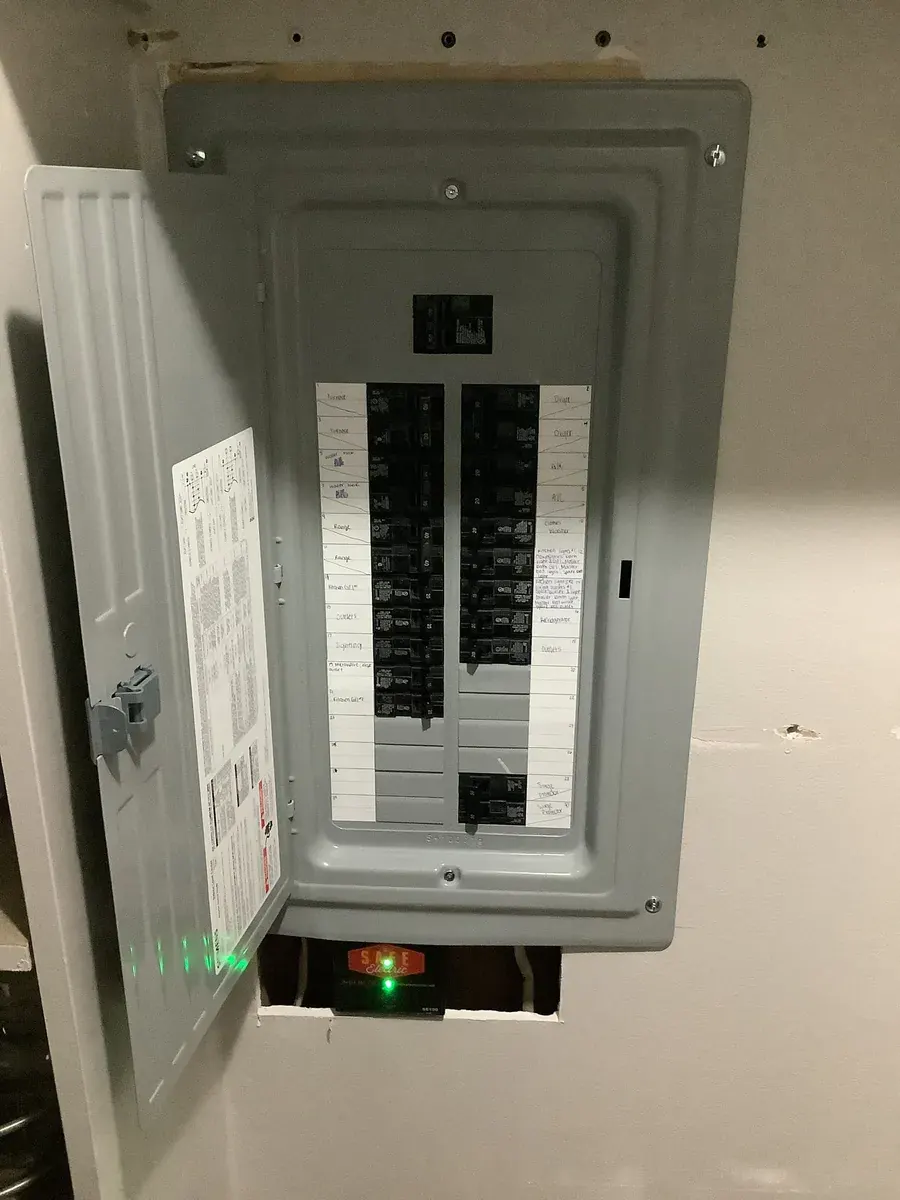
Connecting the generator to your electrical panel requires a transfer switch, a safety device that prevents the generator from back-feeding power onto the utility lines and injuring line workers. The gas line connection requires its own permitting and inspection.
Permits and Code Compliance
Columbus requires permits for standby generator installation. The job gets inspected before it's considered complete. A qualified installer pulls those permits, schedules the inspections, and makes sure the finished work passes, so you're not left holding a liability.
Generators Need Ongoing Maintenance
Let Safe Handle the Installation
The licensed electricians at Safe Electric & Plumbing can help you size the right generator for your home, handle every permit, and make sure the installation meets Columbus building code. Call (614) 267-4111 and we'll walk you through what the project involves before any money changes hands.
Call (614) 267-4111