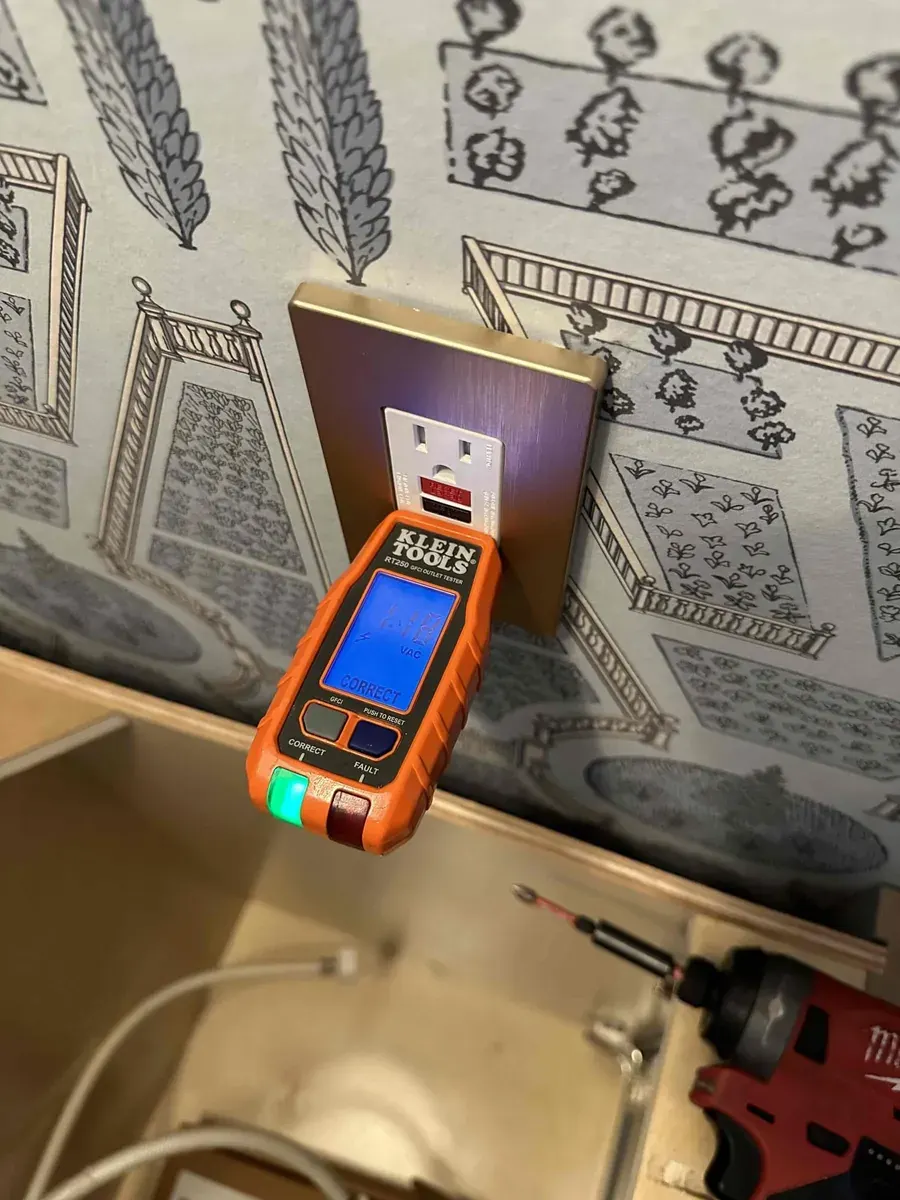
The Role of a GFCI
GFCI outlets have cut US electrocution deaths by 75 percent. Here's how they work and where your home needs them.
“Austin Christopher was amazing and fixed a major power issue in our ancient house. …”
How GFCIs Protect Your Home
According to an article published in ePlasty, the annual number of electrocution deaths in the US has dropped from 800 to 200, mainly due to the use of ground fault circuit interrupters (GFCI). GFCIs are outlets designed to prevent electrical shock. As the name implies, the GFCI interrupts the flow of electricity when it detects a ground fault. A ground fault occurs when the current takes a different path to the ground, and in some cases, that "ground" is a live person. Malfunctioning or damaged electrical equipment are the primary causes of ground faults.
An easy solution is to make sure your home is equipped with GFCI outlets, especially in areas with access to water such as kitchens, bathrooms, and laundry rooms. If an appliance or tool such as a blow dryer or electric sander gets too hot, the GFCI will intervene and shut off the current, thus preventing electrical shock. In many regions, local codes mandate GFCIs, and GFCI usage has been part of the National Electrical Code as far back as the late 1960s. Portable GFCIs are also available for garages, workshops, and outdoor power tools.

Written by
Matt Wehrle · Owner, Safe Electric & Plumbing & Plumbing
Where GFCI Outlets Are Required
Modern electrical codes require GFCI protection anywhere water and electricity are likely to meet.
Kitchens
Any outlet within six feet of a sink must be GFCI-protected. That covers most countertop receptacles in the average Columbus kitchen.
Bathrooms
Every bathroom outlet requires GFCI protection, full stop, no exceptions based on proximity to the sink.
Garages & Workshops
Outlets at or below grade in unfinished garage spaces must be GFCI-protected. Portable GFCI adapters work here when a permanent outlet isn't practical.
Outdoor Receptacles
All exterior outlets require GFCI protection. Rain, morning dew, and garden hoses make this one of the highest-risk locations in any home.
Crawl Spaces & Basements
Unfinished basements and damp crawl spaces both require GFCI outlets to guard against moisture-related ground faults.
Pool & Spa Areas
Outlets near pools, hot tubs, and spas fall under strict GFCI requirements, and for good reason. Water and high-voltage equipment are a serious combination.
Cost, Lifespan, and Tripping
Install It Yourself or Hire an Electrician?
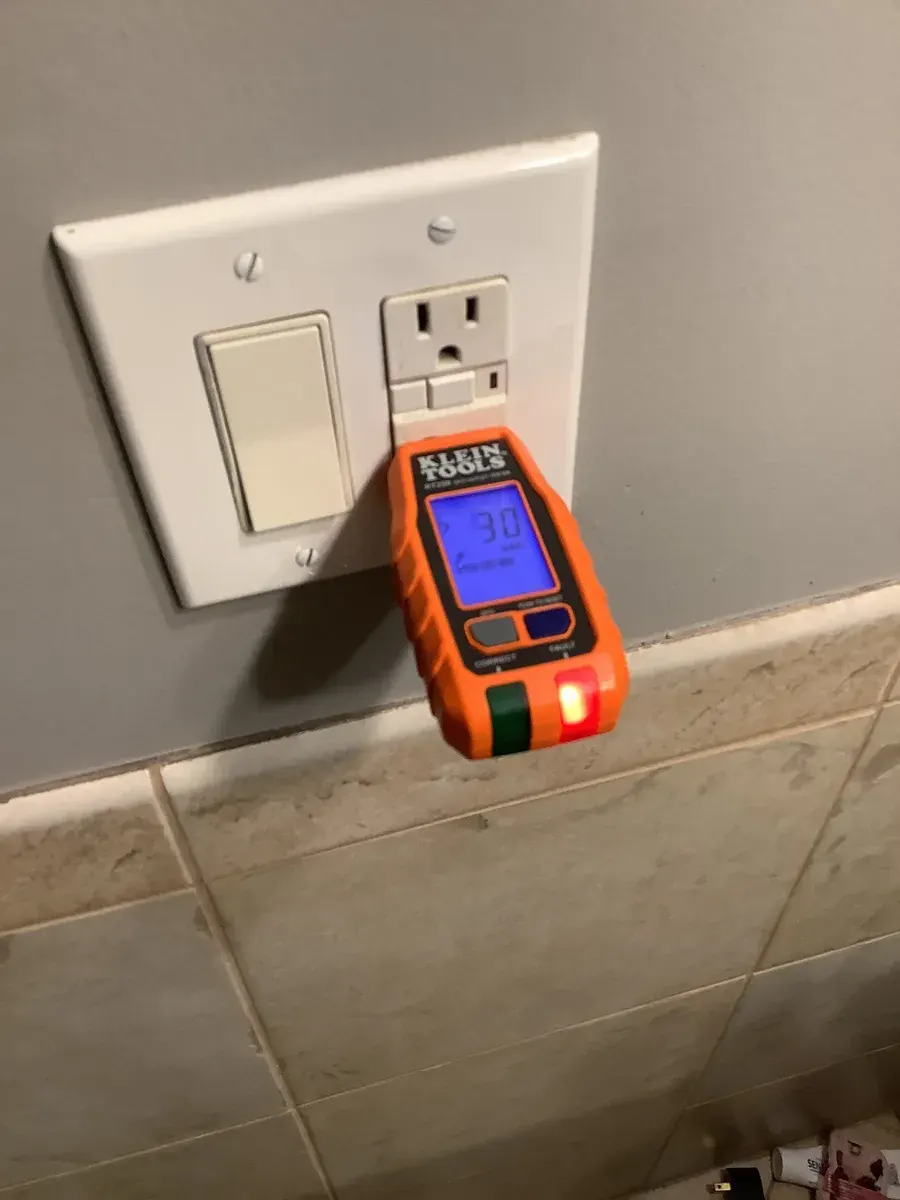
Signs Your GFCI Needs Attention
Don't wait for a shock to find out your GFCI has failed.
Won't Reset After Tripping
If the reset button pops right back out, the outlet is detecting a fault on the circuit, or the outlet itself has failed. Either way, stop using it until it's checked.
No Click When You Press Test
A properly functioning GFCI should click audibly when you press the test button and cut power to the outlet. No click usually means the outlet is dead or the mechanism has worn out.
Outlet Is More Than 10 Years Old
If you don't know when your GFCI outlets were installed, assume they're due for inspection. Outlets that look fine on the surface may no longer be sensing faults correctly.
Trips Repeatedly Without Cause
Occasional tripping is normal. Frequent nuisance tripping, where the outlet shuts off without an obvious cause, often signals a wiring problem or a failing outlet that needs replacement.
GFCI vs. AFCI: What's the Difference?
Have a Safe Electrician Check Your Outlets
Our electricians will walk through your home, identify every location where GFCI protection is missing or overdue for replacement, and handle the installation correctly the first time. We've been doing this in Columbus since 1994.
Call (614) 267-4111