
Best Practices for Outdoor Electrical Safety
What every Columbus homeowner should know before running power outside.
“Cori was our technician and he prompt and efficient with the removal and replacement of our two four foot office ceiling light fixtures. …”
Outdoor Electrical Work Requires a Different Approach
Whether you're lighting a patio, powering a pool area, or adding security lighting around your property, outdoor electrical installations carry risks that indoor work doesn't. Water, weather, and foot traffic all factor in, and the margin for error is much smaller. Getting it right from the start protects your family and your home.
Outdoor wiring projects can also be more involved than they look. Some require permits. Some fall under local code requirements you may not be aware of. And if swimming pools or water features are part of the picture, the rules get stricter. The sections below cover the fundamentals, from planning to grounding, so you know what's involved before you start. If any of it looks beyond your comfort level, our electrical services team is available nearly 24/7 at (614) 267-4111.

Written by
Matt Wehrle · Owner, Safe Electric & Plumbing & Plumbing
Start with a Solid Plan
Know where your power sources are before you touch a single wire.
Use Components Rated for Outdoor Use
Indoor-rated switches, wiring, and fixtures are not interchangeable with outdoor equivalents.
GFCI Protection Is Non-Negotiable
Pool and Spa Areas
GFCI protection is mandatory near any body of water. Water and electricity in proximity create life-threatening risk. There is no acceptable workaround.
Outdoor Outlets
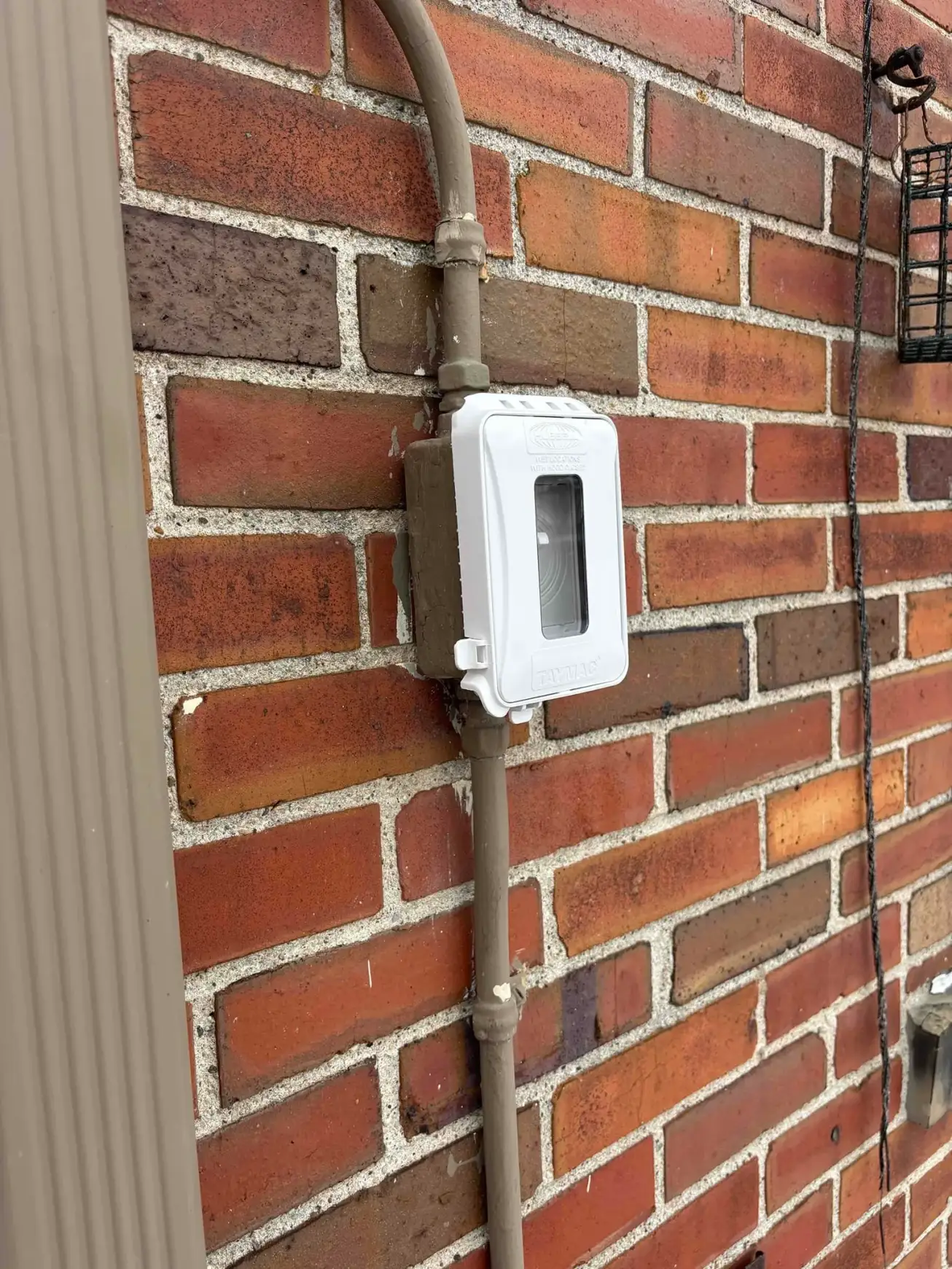
Every receptacle mounted outside the home's envelope needs GFCI protection, whether it's a dedicated outlet on the porch or a circuit run to a detached garage.
Outdoor Lighting Circuits
Landscape and security lighting circuits should also be GFCI-protected, especially if they run through areas that collect standing water after heavy rain.
Test Regularly
Press the test button on each GFCI outlet at least once a year. If the reset button doesn't click back or the outlet still has power after testing, it needs to be replaced.
Proper Grounding Keeps the System Safe

Keep Cords and Wiring Off the Ground
Know the Limit
When to Call Instead of DIY
Some outdoor electrical work, swapping a weatherproof outlet cover, replacing a burned-out fixture, is within reach for a careful homeowner. But running new circuits, extending service to a detached structure, or wiring anything near a pool falls into different territory. Mistakes in these areas can fail an inspection, void your homeowner's insurance, or cause injury. If the project is getting complicated, call (614) 267-4111. One of our electricians will meet with you, walk through what you're trying to accomplish, and give you an honest read on what's involved. You can also read more about what goes into an electrical service upgrade if your outdoor project is pushing your panel's capacity.
Call (614) 267-4111
Recent Articles
Water Heater Services: A Complete Guide 2026
What Columbus homeowners need to know about repairs, replacements, and when to call.
What to Expect from an Electrical Inspection
A walkthrough of the inspection process, what we check and what the report means for your home.
Water Filtration Installation: A Comprehensive Guide
How whole-home filtration systems work and what's involved in getting one installed.
Why You Need a Plumber for Low Water Pressure
Low pressure is rarely just an annoyance. Here's what it usually signals and how it gets fixed.
How to Clean Shower Drains and When to Call a Plumber
A practical guide to drain maintenance and the signs that mean a clog is deeper than you can reach.