Mon–Sun: 12 AM–11:30 PM Serving Columbus since 1994

Drain & Sewer Repair Plumber in Columbus

Licensed plumbers serving Central Ohio since 1994, available nearly 24/7.
Drain & Sewer Repair Plumber in Columbus

Get in touch

Call, text, or schedule online

★★★★★
“Safe Electric & Plumbing was very thorough when trouble shooting our electric issue. …”
Janice C. · Google review

Columbus Drain and Sewer Repair That Holds

Safe Electric & Plumbing is the drain sewer repair plumber Columbus residents have trusted throughout Central Ohio since 1994. If you're dealing with a backed-up drain, a soggy patch appearing in the yard, or a persistent sewer odor you can't place, those aren't problems that clear up on their own. They compound. A partial clog becomes a full blockage; a small root intrusion in a clay lateral becomes a collapsed section. 4.9 stars, so when you call (614) 267-4111, you know who's showing up and what they're accountable for.

The scope of a sewer drain repair job depends on what the line camera finds: the material, the depth, the failure mode, and whether the damaged section is under a driveway, a lawn, or a foundation. Older Columbus neighborhoods east of I-270, homes in Clintonville, Bexley, and German Village, often have clay pipe laterals installed before 1960. Those lines crack, offset at joints, and collect root intrusion at a rate modern PVC simply doesn't match. Newer construction in Westerville, New Albany, and Powell typically runs PVC or ABS, and failure there is more often a result of settling or improper slope. Trenchless repair methods, pipe lining and pipe bursting, are frequently viable on intact pipe with localized damage; traditional open-cut excavation is still the right call when the structural condition of the line won't hold a liner. Every job is different. Contact Safe Electric & Plumbing for an accurate estimate.

Signs Your Drain or Sewer Line Needs a Plumber

Some of these look minor. None of them are safe to wait on.

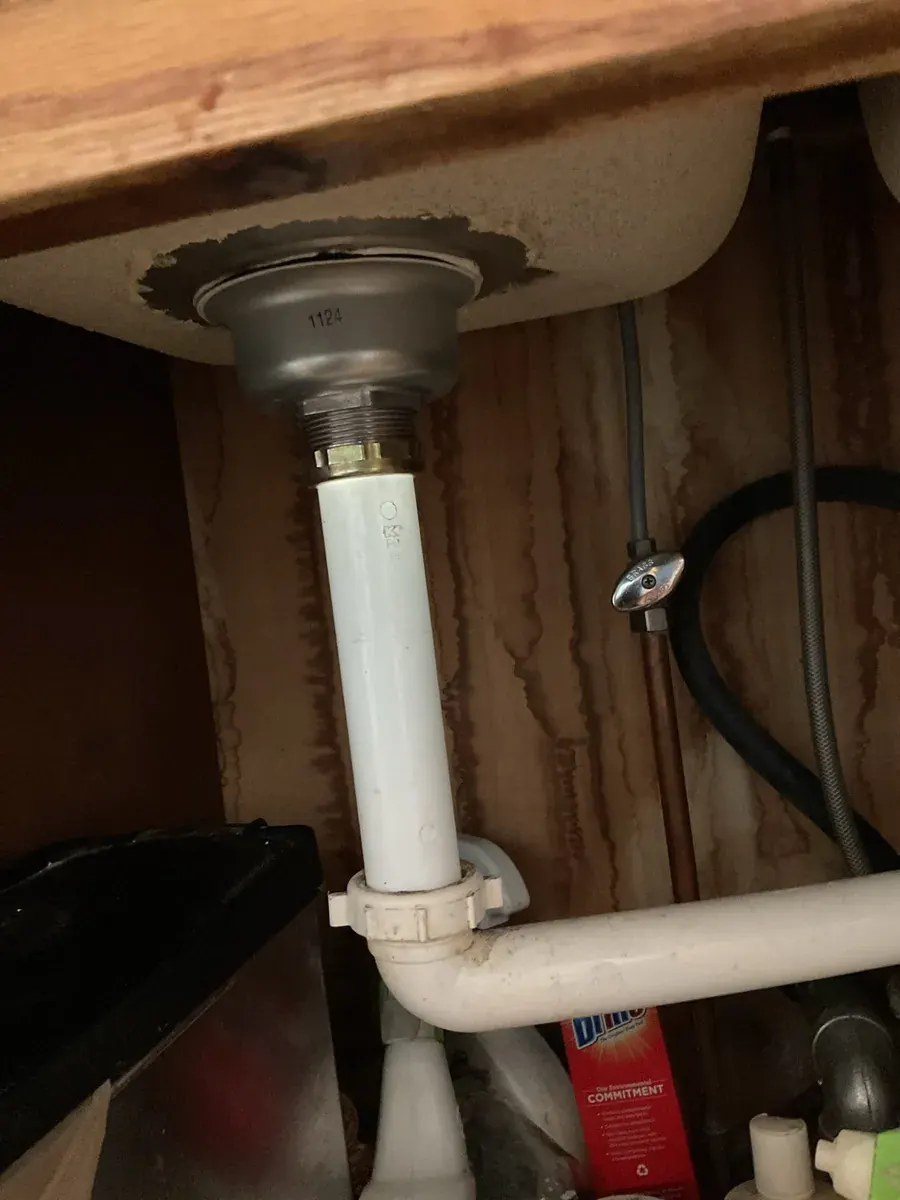
Slow or Stopped Drains

A single slow drain is often a localized clog. Multiple slow drains throughout the house at once point to a main line obstruction. That's not a plunger situation.

Sewage Odor Indoors or Outdoors

A sewer smell inside the house means gas is escaping through a compromised trap or a cracked line. Outside, it often means the line is leaching into surrounding soil, which carries its own health risk.

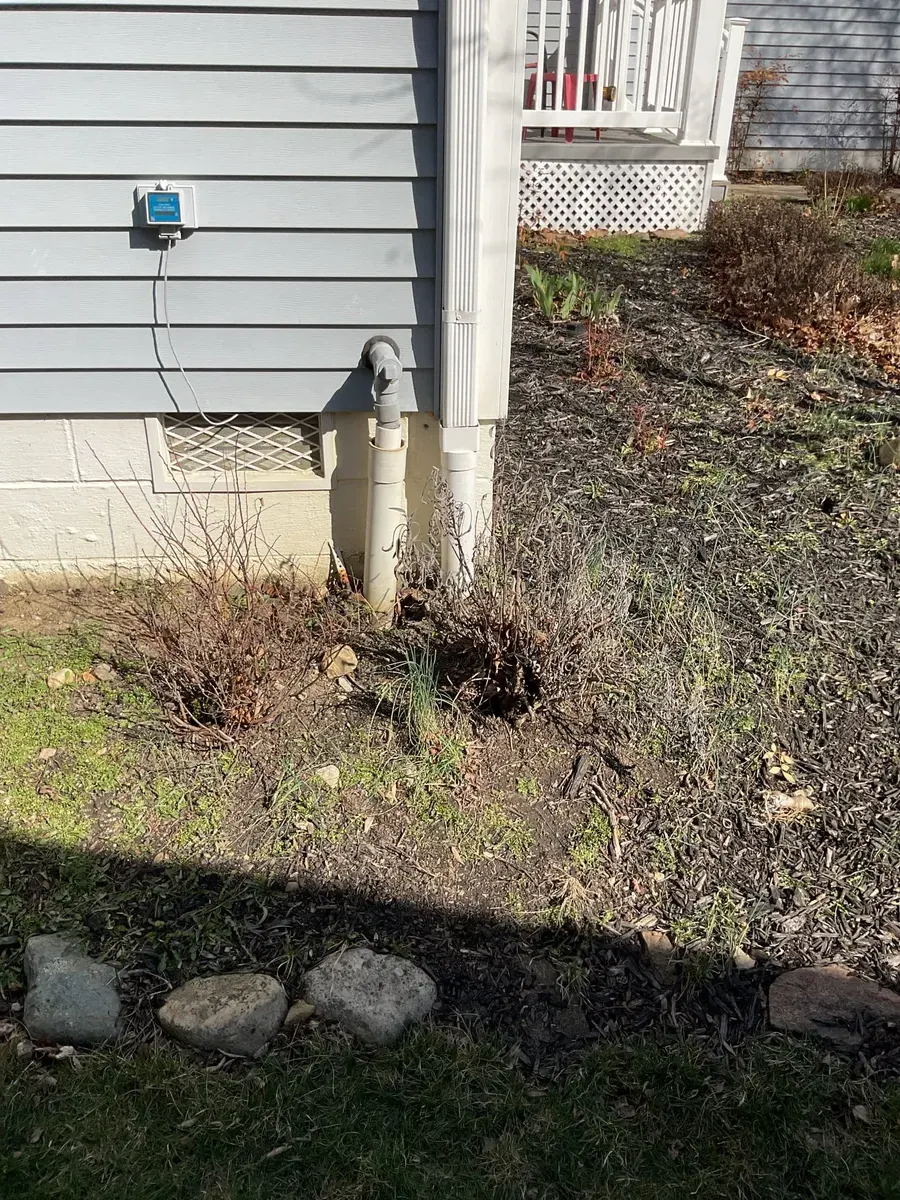
Wet or Sunken Yard Patches

Saturated ground in a specific area, especially over your lateral line, means the pipe is leaking underground. Columbus clay soil holds moisture and hides the problem until the damage is significant.

Toilets Backing Up Together

When two or more toilets back up simultaneously, or flushing one toilet causes gurgling in another, the main sewer line is almost certainly involved. Call a plumber before using any fixtures.

What Happens During a Sewer Inspection

Before any repair, the line needs to be inspected. Safe Electric & Plumbing uses a video camera passed through the cleanout to locate the problem, identify the pipe material, and determine the extent of damage. This matters because the repair method follows directly from what the camera shows. A root intrusion in a structurally sound clay section is a different repair than a collapsed segment or an offset joint. The camera footage also documents the condition before and after work, which insurers and home buyers both request. If you're considering a home purchase in Columbus and the inspection report flagged the sewer lateral, getting a camera run done before closing is the right call. Learn more about the plumbing services Safe Electric & Plumbing provides across Central Ohio.

Trenchless Repair vs. Traditional Excavation

Pipe Lining (CIPP)

A flexible liner saturated with epoxy resin is inserted into the damaged line and inflated against the pipe wall, then cured in place. This works when the pipe still has structural integrity and the damage is not a full collapse. It requires no trench and preserves the yard, driveway, and landscaping. Columbus homes with older clay laterals that have root intrusion but haven't yet offset are typically good candidates.

Pipe Bursting

A bursting head is pulled through the old pipe, fracturing it outward while simultaneously pulling a new pipe into place behind it. This replaces the line entirely without excavating a full trench. It's the right approach when the old pipe material has reached the end of its service life but the surrounding soil conditions are stable.

Columbus Sewer Lines: What Your House Likely Has
Columbus's housing stock spans eight decades of pipe materials. Homes built before 1950 in areas like German Village, Merion Village, and the near East Side commonly have clay or Orangeburg pipe laterals. Clay holds up well until it cracks at the joints, and Ohio's cold winters accelerate that process. Orangeburg, a pressed-fiber material used through the mid-1950s, deteriorates from the inside out and collapses without warning. Homes from the 1960s through the 1980s in suburbs like Westerville and Reynoldsburg often have cast iron or early PVC. Post-1990 construction in New Albany, Powell, and Lewis Center typically runs schedule 40 PVC throughout. Knowing the likely material in your neighborhood's vintage helps set realistic expectations about inspection findings and repair options. The team at Safe Electric & Plumbing has worked in Columbus homes since 1994 and has seen every material type and failure mode in the area. If you're in Clintonville or Columbus, or anywhere across Central Ohio, the same crew handles the job.
slow or stopped drains work, professional service in Columbus, OH

When to Call a Plumber: Six Clear Indicators

Any one of these warrants a call to (614) 267-4111.

Multiple slow drains at the same time

One slow drain is localized. Two or more happening together is a main line problem.

Sewage odor that doesn't go away

Persistent sewer smell, inside or in the yard, means gas or waste is escaping somewhere it shouldn't be.

Toilets gurgling when you use other fixtures

Gurgling in one fixture when another is in use is a textbook sign of a venting or main line blockage.

Wet ground directly over the sewer lateral

If a specific strip of yard is always wet and soft, the line below it is leaching.

Permits, Inspections, and What Ohio Requires

Sewer lateral repairs in Columbus typically require a permit from the local building department before excavation begins, and an inspection after work is complete to verify code compliance before the trench is backfilled. The permit process exists to protect homeowners: it creates a record that the work was done correctly and to code, which matters when you sell the house or file an insurance claim. A contractor who tells you permits aren't necessary for a lateral repair is either cutting a corner or misreading the scope of the job. Safe Electric & Plumbing handles permit coordination as part of the work. Ohio's contractor licensing standards under the Ohio Construction Industry Licensing Board require qualified tradespeople for exactly this kind of work. When you call, ask for documentation. Any legitimate plumber working in Columbus can produce it.

Drain or Sewer Problem? Call Matt's Team Now.

Nearly 24/7, 7 days a week. Don't let a drain problem turn into a sewage backup.

Call (614) 267-4111
toilets backing up together work, professional service in Columbus, OH

Drain & Sewer Repair: Questions Columbus Homeowners Ask

Not on the list?(614) 267-4111Mon–Sun: 12 AM–11:30 PM
Do plumbers fix drain pipes and sewer laterals, or is that a specialty contractor?
Licensed plumbers handle both drain lines inside the house and the sewer lateral connecting your home to the public main. The same diagnostic tools, including video inspection cameras, are used for both. What a plumber can't do is work on the public main itself; that's the utility's jurisdiction. Everything from the cleanout to the street connection is the plumber's scope.
Can sewer pipes be repaired without digging up the yard?
Often, yes. Pipe lining and pipe bursting are trenchless methods that address many common failures without open excavation. But whether a trenchless repair is appropriate depends on the structural condition of the existing pipe, the failure type, and the pipe depth. A collapsed line or a section with severe joint offset can't be lined; it has to be excavated. The camera inspection answers this question before any repair method is chosen.
Will homeowners insurance cover sewer line repair?
Standard homeowners insurance policies typically exclude sewer line damage unless it results from a covered peril, such as sudden accidental damage. Gradual deterioration, root intrusion, and age-related failure are almost universally excluded. Some carriers offer a sewer line endorsement as an add-on. After a camera inspection, Safe Electric & Plumbing can document findings in writing to support an insurance claim if the damage qualifies. Jeremy, one of the technicians, prepared an extensive insurance letter for a homeowner after a lightning-related power surge, and the same documentation approach applies to plumbing damage.
Do I need a permit to repair a sewer line in Columbus?
For most lateral repairs, especially those involving excavation or pipe replacement, yes, a permit is required in Columbus. Permit requirements verify that the work meets Ohio Plumbing Code and provide a record of code-compliant installation. Skipping the permit doesn't just create a legal exposure; it can complicate a home sale or deny an insurance claim if the repair is later questioned. Safe Electric & Plumbing coordinates the permit process as part of the job.
How long does a sewer line repair take in Columbus?
Trenchless repairs on accessible, well-conditioned pipe can often be completed in a single day. Traditional excavation repairs depend on depth, soil conditions, and the length of the damaged section; one to three days is a reasonable range for most residential laterals. Columbus clay soil conditions and the freeze-thaw hardening of the ground in late winter can add time to excavation work. A realistic timeline is one of the first things discussed after the camera inspection.
How often should a sewer line be inspected?
For older Columbus homes with clay or Orangeburg laterals, a camera inspection every three to five years is reasonable preventive maintenance. Before buying any home built before 1980, a sewer scope is standard due diligence. If you've had root intrusion cleared before, annual inspections are worth considering since roots regrow in the same access points. See our dealing with clogged drains article for more on routine maintenance.
Can I repair my own sewer line?
Legally and practically, no, for anything beyond a cleanout snake on a minor household drain. Sewer lateral work in Ohio requires a licensed plumber, and unpermitted sewer repairs can be cited by the building department and rejected by your insurer. Beyond the licensing issue, the diagnostic equipment necessary to correctly identify the failure point, a camera inspection, isn't something a homeowner can reasonably rent and interpret on their own. The risk of misidentifying the problem and making a repair that fails or worsens the situation is significant.
Can I repair my own sewer line in Ohio?
Not legally for anything beyond snaking a household drain. Sewer lateral work in Ohio requires a licensed plumber, and unpermitted repairs can be cited by the building department and rejected by your insurer. Beyond the licensing issue, correctly identifying the failure point requires camera equipment that homeowners can't reasonably interpret without experience. Misidentifying the problem and making the wrong repair is a real and costly outcome.

What Safe Electric & Plumbing Brings to Every Job

Why Columbus homeowners have called Safe Electric & Plumbing since 1994.

  1. 32 years serving Central Ohio

    In business since 1994, serving Columbus neighborhoods from German Village to New Albany.

  2. 4.9 stars across 2,962 Google reviews

    One of the most-reviewed electrical and plumbing contractors in Central Ohio.

  3. BBB Accredited business

    Accredited and accountable. Matt Wehrle's name is on every job.

Call (614) 267-4111

Related