Emergency Septic Plumbing: A Guide for Historic Homes
Know the warning signs, act fast, and call before the damage spreads.
“Bryce let me know exactly what was needed and informed me what he would do!”
What Counts as a Septic Emergency
The signs come in many forms: toilets overflow, multiple drains back up, strong sewage smells appear, and standing water shows up in the yard. These aren't "wait and see" problems. They're signs of an emergency septic plumbing issue that needs fast attention, especially in an older or historic home.
This guide walks you through the warning signs to watch for, what to do right away, and when to call a plumber before the mess spreads and the damage grows.

Written by
Matt Wehrle · Owner, Safe Electric & Plumbing & Plumbing
What a Septic Plumbing Emergency Looks Like
Common Septic Emergencies in Older Homes
Older plumbing systems fail in specific ways, knowing which one you're dealing with changes how fast you need to act.
Sewer Backups
A sewer backup happens when wastewater reverses course through toilets, tubs, showers, or floor drains. In an older home, this is one of the clearest signs you're dealing with a sewer or drain emergency that won't resolve on its own.
Septic Overflow
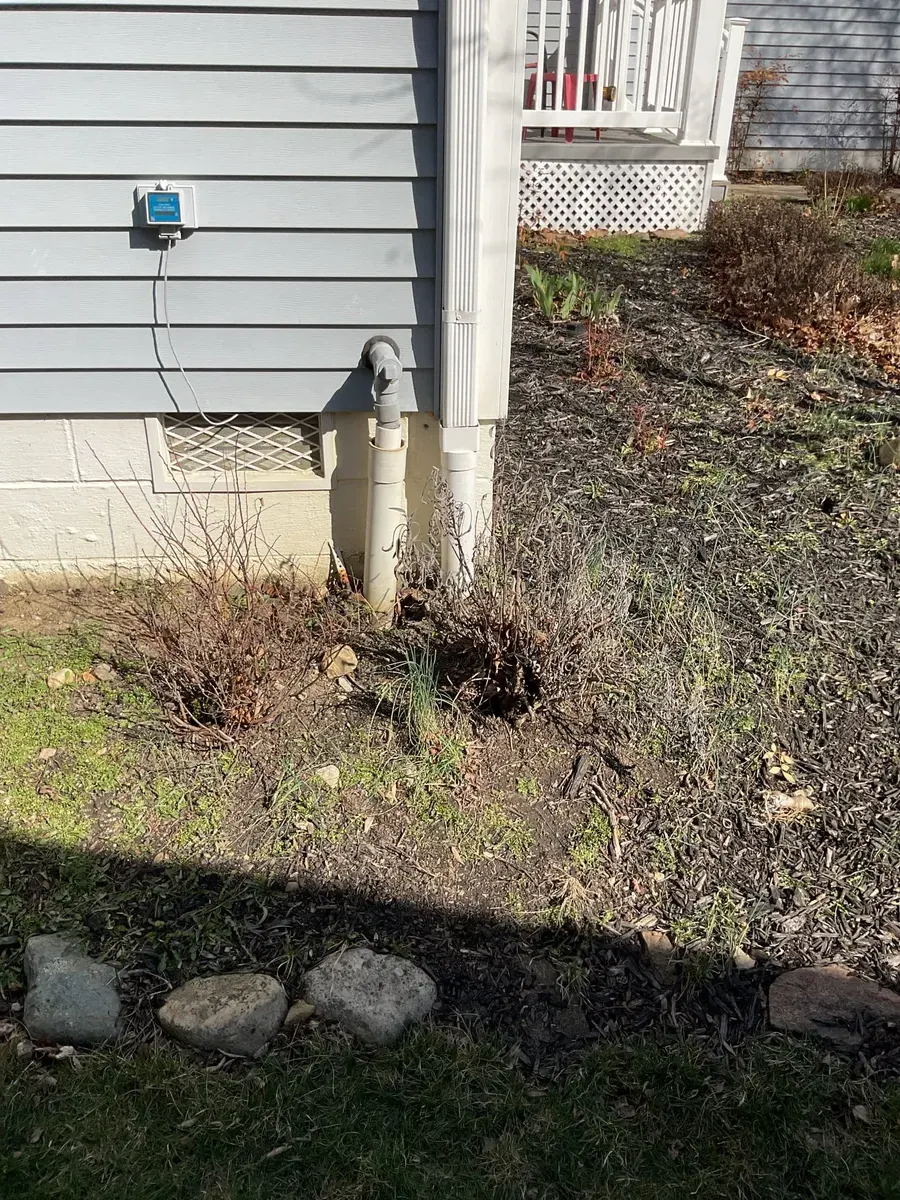
Septic overflow means the tank, drain field, or connected plumbing is overwhelmed or failing. This kind of emergency usually shows up outside first, a soggy yard, standing water, or a strong odor near the tank area.
Drain Field Failure
Your drain field filters wastewater after it leaves the septic tank. When it fails, wastewater stops draining into the soil correctly. The result is standing water, persistent sewage smells, and a yard that stays wet long after rain has passed.
Pipe Collapse or Blockage
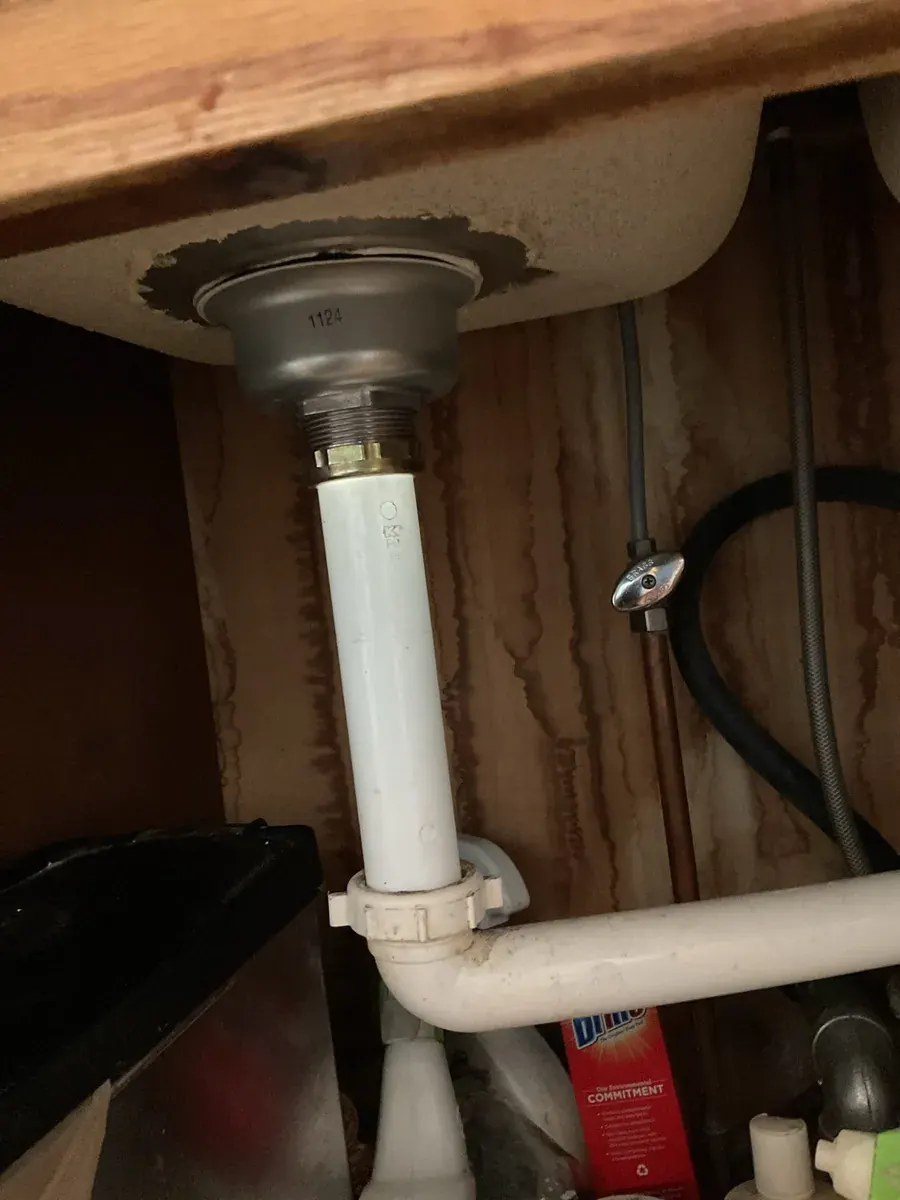
Old pipes crack, corrode, clog, and collapse. Tree roots love infiltrating older plumbing lines. When a pipe blocks or collapses, drains back up throughout the house and wastewater loses its normal path out of the home. This is especially common in Columbus-area homes built before 1970, where clay or cast-iron lines are still in service.
5 Septic Emergency Signs You Shouldn't Ignore
Older-home owners should take these signals seriously, they rarely appear without a cause.
Why Old Pipes Make It Worse

Call Safe: Nearly 24/7, 7 Days a Week
Septic emergencies don't wait for business hours. Neither do we. Safe Electric & Plumbing is available nearly 24/7, every day of the week. If sewage is backing up into your home right now, call (614) 267-4111.
Call (614) 267-4111Steps to Take Before the Plumber Arrives
A septic emergency gets worse when the plumbing keeps running. These steps limit the damage while you wait.
Stop Using Water
Every flush and every running tap adds more wastewater to an already-overwhelmed system. Stop using toilets, sinks, and showers the moment you suspect an emergency.
Stay Out of the Affected Area
Sewage carries bacteria. Keep people and pets away from standing water, overflowed toilets, and any wet area near the drain field. Don't clean it up yourself, it requires protective equipment.
Don't Add Chemicals
Drain treatments and septic additives won't fix a collapsed pipe or a failed drain field. They can actually make diagnosis harder by masking symptoms. Leave the system alone and let the plumber assess it clean.
Call a Plumber: Not a Handyman
A septic emergency is a plumbing system failure, not a simple clog. It needs a qualified plumber with the right equipment, not a general handyman with a drain snake. Call Safe at (614) 267-4111. We've handled these situations in Columbus homes since 1994.