“Safe Electric & Plumbing was very thorough when trouble shooting our electric issue. …”
Janice C. · Google review
Columbus Sewer Jetting That Actually Works
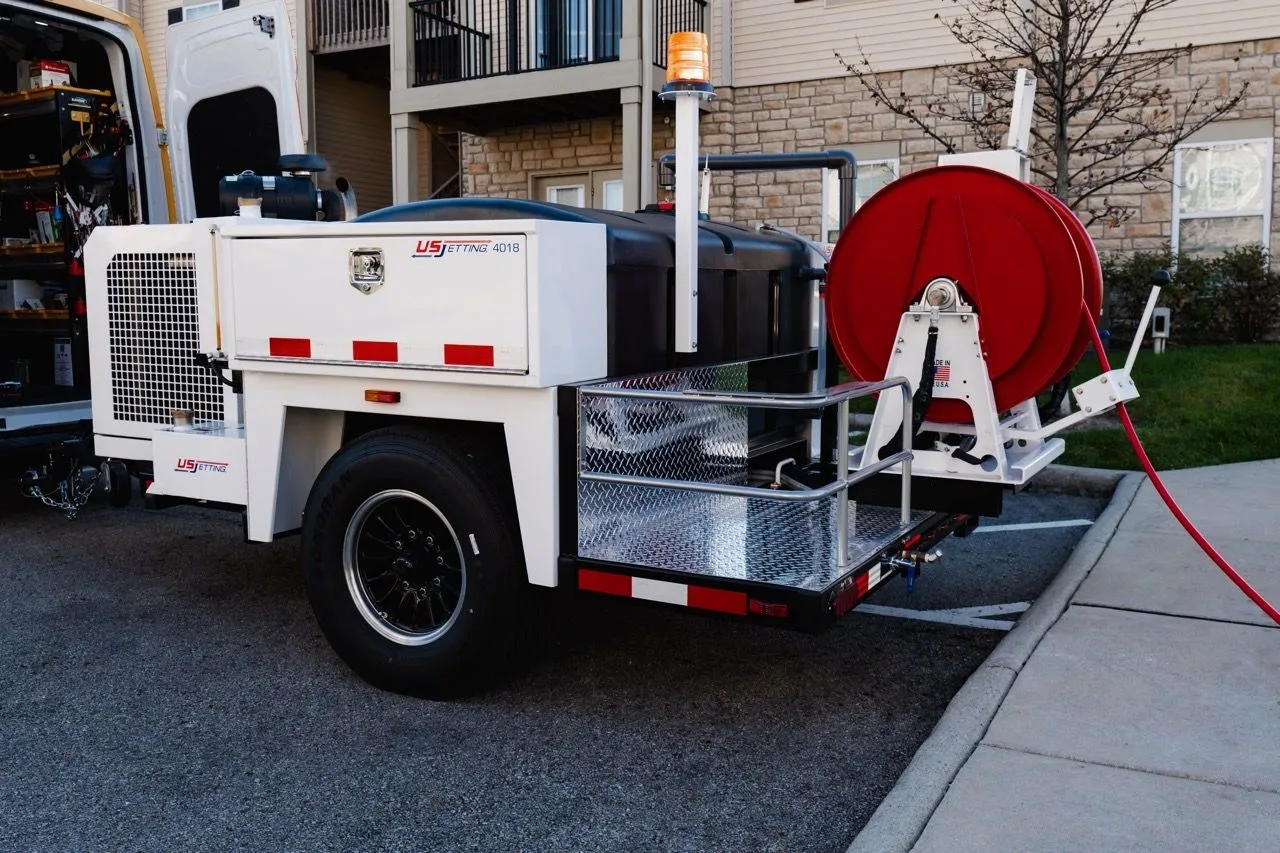
Sewer jetting in Columbus is one of the most effective ways to clear lines that keep backing up, and Safe Electric & Plumbing has handled these jobs across Central Ohio for 32 years. If you've had a plumber snake the drain twice and it's still slow, the problem isn't the snake. It's what the snake can't remove. High-pressure hydro jetting scours the pipe wall itself, blasting out grease buildup, mineral scale, and compacted debris that a mechanical auger just punches through and leaves behind. Call (614) 267-4111 and we'll tell you whether jetting is the right call for your line.
The process starts with a camera inspection of your sewer drain before any jetting begins. That inspection matters. Clay pipes common in older Columbus neighborhoods, cast iron lines in homes built before 1970, and modern PVC all tolerate pressure differently, and a pipe that's partially collapsed needs repair, not a high-pressure blast. Once we confirm the line is intact and locate the blockage, we insert a specialized nozzle and run water at pressures up to 4,000 PSI, working back from the blockage toward the access point so debris flushes out rather than compacts further. What comes out of a neglected residential line is usually a combination of grease, soap scum, and fine root tendrils. Commercial lines in Columbus restaurant districts tend to carry much heavier grease loads. Cost depends on line length, blockage severity, pipe condition, and whether a camera inspection is needed first. Every job is different, contact Safe Electric & Plumbing for an accurate estimate.
Hydro Jetting vs. Snaking: What the Difference Means for Your Pipes
A snake clears a path. A jetter cleans the pipe.
A mechanical snake works by drilling through a clog. It creates an opening, and water flows again, until the remaining buildup narrows the pipe back down over the next few weeks. Hydro jetting works differently. The nozzle fires rearward-facing jets that pull the hose forward while simultaneously cutting 360 degrees around the pipe wall. Grease doesn't get pushed aside; it gets emulsified and flushed out. Tree roots don't get punched through; they get shaved to the pipe wall. For Columbus homes in Worthington, German Village, and Clintonville where mature trees and clay soil have had 40 or 60 years to grow into sewer laterals, that distinction is the difference between a fix that lasts a season and one that lasts several years. We don't recommend jetting every drain, for a simple soft clog close to the fixture, a snake is faster and cheaper. But for recurring backups and mainline blockages, jetting is the safe and lasting solution.
Why Columbus Sewer Lines Clog the Way They Do
Columbus housing stock tells the story. Homes built in the 1940s through the 1960s in neighborhoods like Clintonville, Bexley, and Westgate almost always have clay tile sewer laterals. Clay tile works fine when it's intact, but joints can separate as the soil moves, and once a joint opens even slightly, tree roots find it within a season or two. Ohio's freeze-thaw cycle is hard on buried pipe: ground that heaves in January and settles in April creates stress on joints that doesn't show up until a backup does. On top of that, grease from cooking accumulates in lines year-round, and in homes where the sewer lateral hasn't been touched in decades, a single jetting job can move a remarkable amount of material. We've seen lines in older Columbus homes that hadn't been cleaned since the 1980s. The sewer drain repair conversation comes up more often in this city than homeowners expect, and a camera inspection after jetting usually reveals whether the line will hold or whether a repair is the next right step.
How Often Should You Jet a Residential Sewer Line?
Honestly, most homeowners never think about their sewer lateral until there's a backup. That's understandable. But for Columbus homes with large trees in the yard, older clay pipes, or a history of slow drains, preventative jetting every two to three years is a reasonable schedule. It's far less disruptive than an emergency call at 10 p.m. When a drain backs up into the basement. Commercial properties, restaurants especially, need more frequent service. Grease accumulates faster than most operators expect, and a fully blocked commercial drain is a health code problem, not just a plumbing problem. We work with residential homeowners and commercial property managers across Columbus, Westerville, Gahanna, and the surrounding area. Whether you want a one-time cleaning or a maintenance schedule, call (614) 267-4111 and we'll walk you through what makes sense for your specific line.
Recurring Backups? Call Safe.
If your drain has backed up more than once this year, snaking isn't solving it. Call (614) 267-4111 and we'll schedule a camera inspection and jetting service that addresses the actual cause.
What is hydro jetting and how does it differ from a mechanical snake?
A mechanical snake drills through a clog, creating an opening but leaving buildup on the pipe wall. Hydro jetting uses water at pressures up to 4,000 PSI through a rotating nozzle that cleans the entire pipe wall, emulsifying grease and cutting back root intrusion rather than just punching a hole through it. For recurring blockages, the pipe-wall cleaning is what makes the difference.
Is hydro jetting safe for older clay tile or cast iron pipes?
It depends on the pipe's condition. Clay tile and cast iron that are structurally sound handle jetting well, but pipes with significant corrosion, joint separation, or collapse need repair first. That's why we run a camera inspection before jetting any mainline. Applying high pressure to a compromised pipe makes the problem worse, not better. We won't jet a line we haven't confirmed is intact.
How do I know if my Columbus sewer line needs jetting instead of a repair?
Recurring slow drains and backups after repeated snaking usually point to buildup that only jetting removes. If a camera inspection shows a collapsed pipe, separated joint, or severe root intrusion that has damaged the pipe wall, jetting alone won't hold and a repair becomes the right call. We always do the camera pass first so you're not guessing. If both are needed, we'll tell you that clearly before any work begins.
Will hydro jetting damage my lawn or landscaping?
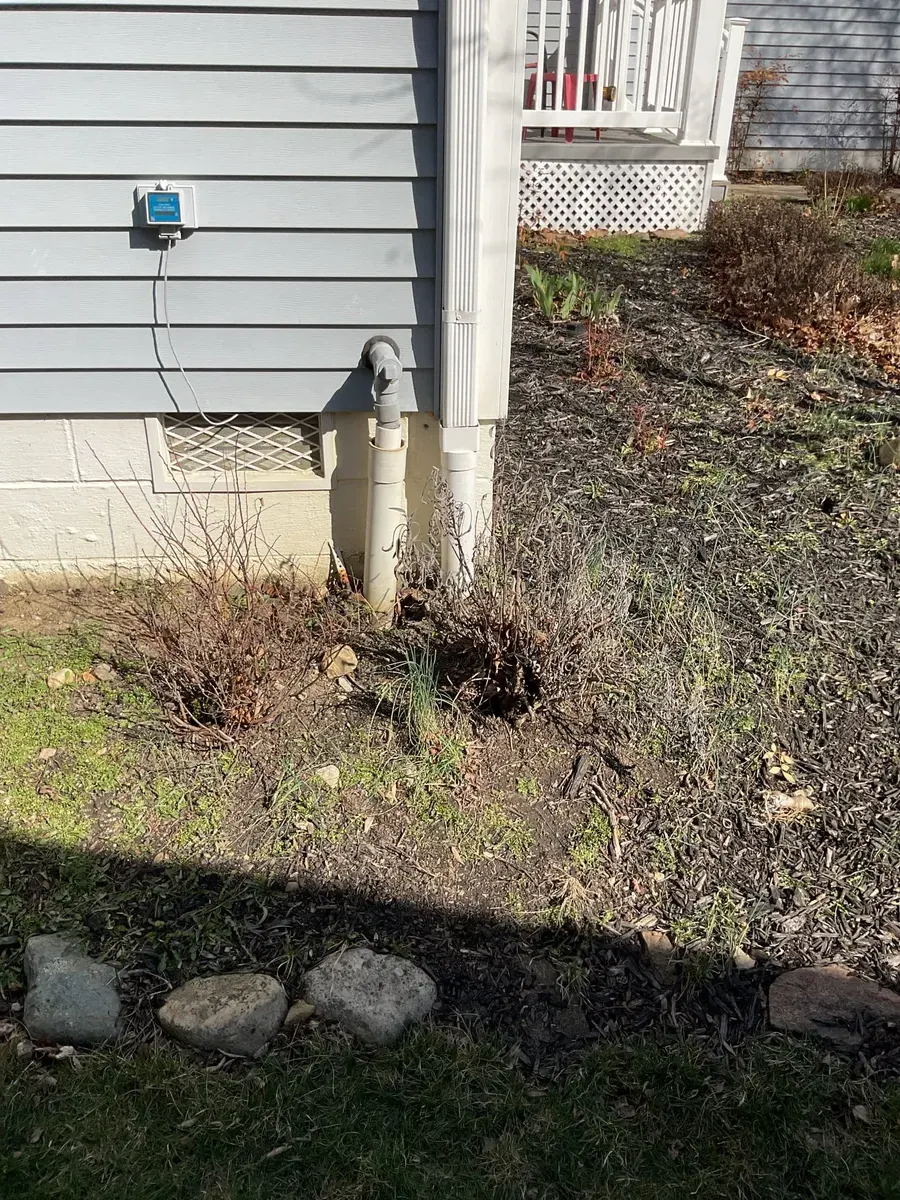
Jetting itself is trenchless, we access the line through an existing cleanout, and nothing in the yard gets disturbed. The process is entirely internal. If a repair is also needed and we have to excavate, we'll discuss that scope with you before we dig. For a jetting-only service on a line with good cleanout access, your lawn stays exactly as we found it.
How often should a residential sewer line be hydro jetted for maintenance?
For most Columbus homes, every two to three years is a reasonable maintenance interval, more frequently if there are large trees close to the sewer lateral or a history of root intrusion. Homes with clay tile pipe in older neighborhoods like German Village or Worthington tend to need more attention than newer construction with PVC laterals. A camera inspection every few years tells you whether you're on the right schedule.
Can homeowners rent a sewer jetter and do this themselves?
Rental jetters exist, but they run at significantly lower pressure than professional equipment and rarely carry the rotating nozzle configurations needed to clean pipe walls effectively. More importantly, running high-pressure water into a line without knowing whether it's cracked, collapsed, or compromised can turn a cleaning job into an emergency excavation. The camera inspection we do first is the part that protects the pipe, and a rental doesn't come with that.
Is hydro jetting safe for older clay tile or cast iron pipes in Columbus homes?
It depends on the pipe's condition. Clay tile and cast iron that are structurally sound handle jetting well, but pipes with significant corrosion, joint separation, or collapse need repair first. That's why we run a camera inspection before jetting any mainline. Applying high pressure to a compromised pipe makes the problem worse, not better. We won't jet a line we haven't confirmed is intact.
How do I know if my sewer line needs jetting instead of a repair?
Recurring slow drains and backups after repeated snaking usually point to buildup that only jetting removes. If a camera inspection shows a collapsed pipe, separated joint, or severe root intrusion that has damaged the pipe wall, jetting alone won't hold and a repair becomes the right call. We always do the camera pass first so you're not guessing. If both are needed, we'll tell you that clearly before any work begins.
Will hydro jetting disturb my lawn or landscaping?
Jetting itself is trenchless. We access the line through an existing cleanout and work entirely inside the pipe. Nothing in the yard gets disturbed. If a repair is also needed and excavation becomes necessary, we'll discuss that scope with you before we dig. For a jetting-only service on a line with proper cleanout access, your landscaping stays exactly as we found it.
How often should a residential sewer line be hydro jetted?
For most Columbus homes, every two to three years is a reasonable maintenance interval. Homes with large trees near the sewer lateral, clay tile pipe, or a history of root intrusion may need more frequent service. Newer construction with PVC laterals typically holds longer between cleanings. A camera inspection every few years tells you whether your current schedule is working.
What causes sewer line clogs in Columbus homes specifically?
Columbus clay soil shifts with Ohio's freeze-thaw cycles, stressing buried pipe joints and creating gaps that tree roots exploit. Older neighborhoods with mature trees and clay tile laterals see the most root intrusion. On top of that, grease accumulates in every home's line year-round, and in houses where the lateral hasn't been maintained in decades, a single jetting job clears a significant amount of built-up material.
Can homeowners use a rented sewer jetter instead of calling a plumber?
Rental units exist but operate at much lower pressure than professional equipment and typically lack the rotating nozzle configurations needed to clean pipe walls effectively. More importantly, running high-pressure water into a line without knowing whether it's cracked or compromised can turn a maintenance job into an emergency excavation. The camera inspection done first is the part that protects your pipe, and a rental doesn't include that step.