
Mon–Sun: 12 AM–11:30 PM Serving Columbus since 1994

Roles in a Backup Generator Installation

Installing a backup generator takes both an electrician and a plumber. Here is why.
Roles in a Backup Generator Installation

Get in touch

Call, text, or schedule online

★★★★★
“Chad and his assistant were amazing. Very friendly guys that kept me updated on progress along the way.”
Steve C. · Google review

Why Generator Installs Require Two Trades

Having a backup generator can be a lifesaver if you live in an area prone to power outages. After a blizzard, a severe storm, or a substation failure, knowing your home still has power is genuinely reassuring. But installing a backup generator is not a weekend project. It is a complex undertaking that requires the coordinated skills of both a licensed electrician and a licensed plumber, and getting one without the other creates gaps that can compromise safety and code compliance.

Safe Electric & Plumbing installs backup generators throughout the Greater Columbus area. We are familiar with the weather events and equipment failures that send Columbus homeowners searching for reliable backup power. Because we employ both electricians and plumbers in-house, the installation is coordinated under one roof, no juggling two separate contractors, no scheduling conflicts, no finger-pointing when a question crosses trade lines.

Matt Wehrle

Written by

Matt Wehrle · Owner, Safe Electric & Plumbing & Plumbing

The Electrician's Role

The electrical side of a generator install is substantial. The electrician begins by assessing your home's existing electrical panel to determine whether it can handle the additional load. From there, the work typically includes installing a transfer switch, the device that seamlessly shifts your home between utility power and generator power when an outage occurs. Without a properly installed transfer switch, a generator can back-feed into the utility grid, which is dangerous for lineworkers trying to restore power. Depending on your home's layout and load requirements, it may also be necessary to install sub-panels or reconfigure circuits so power is evenly distributed when the generator is running. A licensed electrician will also confirm that every aspect of the installation meets local Columbus building codes and National Electric Code (NEC) specifications before the job is signed off.
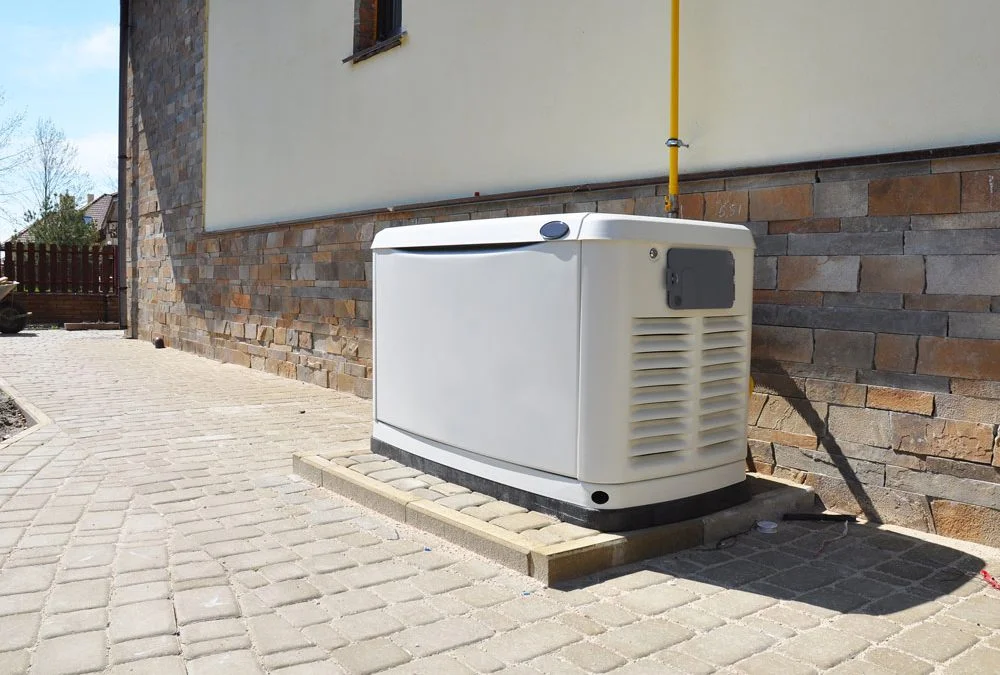
A standby generator unit installed on a concrete pad against a residential brick foundation.

The Plumber's Role

Generator Connection

Once the lines are run, the plumber makes the final connection to the generator unit itself, pressure-testing the system to confirm there are no leaks before the generator is ever started.

Code Compliance

Licensed plumbers are current on local Columbus regulations and Ohio gas code requirements, ensuring the fuel supply system passes inspection and operates safely from day one.

One Company Handles Both Sides

In a typical generator install coordinated between two separate contractors, scheduling gaps are common. The electrician finishes their rough work but cannot complete the final connections until the gas line is in, and now you are waiting on a second company to show up. The plumber arrives and needs to know where the transfer switch is going before they route the gas line, and now they are waiting on the electrician. Because Safe Electric & Plumbing has both trades on staff, the coordination happens internally. Our electricians and plumbers have worked together on generator installations across Columbus and the surrounding area, and they know how to sequence the work so neither trade is standing around waiting on the other. For homeowners, that means a faster install and a single point of contact for questions. Call us at (614) 267-4111 to talk through what a backup generator installation would involve for your home.

Not a Job for One Trade Alone

A generator install that skips the licensed plumber leaves the gas supply unverified and potentially non-compliant. A generator install that skips the licensed electrician leaves the transfer switch uninstalled or improperly wired. A serious hazard. Both trades are required for a safe, code-compliant installation.

Call (614) 267-4111

generator connection work, illustration in Columbus, OH

Frequently Asked Questions

Not on the list?(614) 267-4111Mon–Sun: 12 AM–11:30 PM
Do I need both an electrician and a plumber to install a backup generator?
Yes. The electrical connections, including the transfer switch and panel work, require a licensed electrician. The gas line installation and connection to the generator require a licensed plumber. Both trades are necessary for a safe, code-compliant install.
What fuel does a whole-home backup generator use?
Most whole-home standby generators run on natural gas or propane. Your plumber will install and connect the appropriate gas lines based on what fuel supply is available at your home.
What is a transfer switch and why does it matter?
A transfer switch is the device that automatically switches your home's power source from the utility grid to your generator when an outage is detected, and back again when utility power is restored. Without a properly installed transfer switch, a generator can back-feed electricity into the grid, which is dangerous for utility workers. It is a required component of any safe generator installation.
Can Safe Electric & Plumbing handle the full installation?
Yes. Because we employ both electricians and plumbers in-house, we handle every aspect of the installation, electrical panel assessment, transfer switch installation, gas line runs, generator connection, and ventilation, under one call. Call (614) 267-4111 to get started.