Tank vs. Tankless Water Heaters
A straight comparison to help Columbus homeowners pick the right water heater.
“Had a wonderful experience with Safe Electric & Plumbing !! Great customer service and amazing technicians !! …”
Tank vs. Tankless: The Key Differences
If you are shopping for a new water heater, you have probably already run into the tank vs. tankless question, and you may not be sure which makes more sense for your home. Both options work. Both have real drawbacks. The right choice depends on your household size, your hot water habits, your budget, and what your home is already set up to handle.
Here is a plain-language breakdown of how each type works, what it costs you over time, and where each one falls short. If you want to talk it through with a licensed plumber who has been handling water heater installs across Central Ohio since 1994, call Safe Electric & Plumbing at (614) 267-4111.

Written by
Matt Wehrle · Owner, Safe Electric & Plumbing & Plumbing
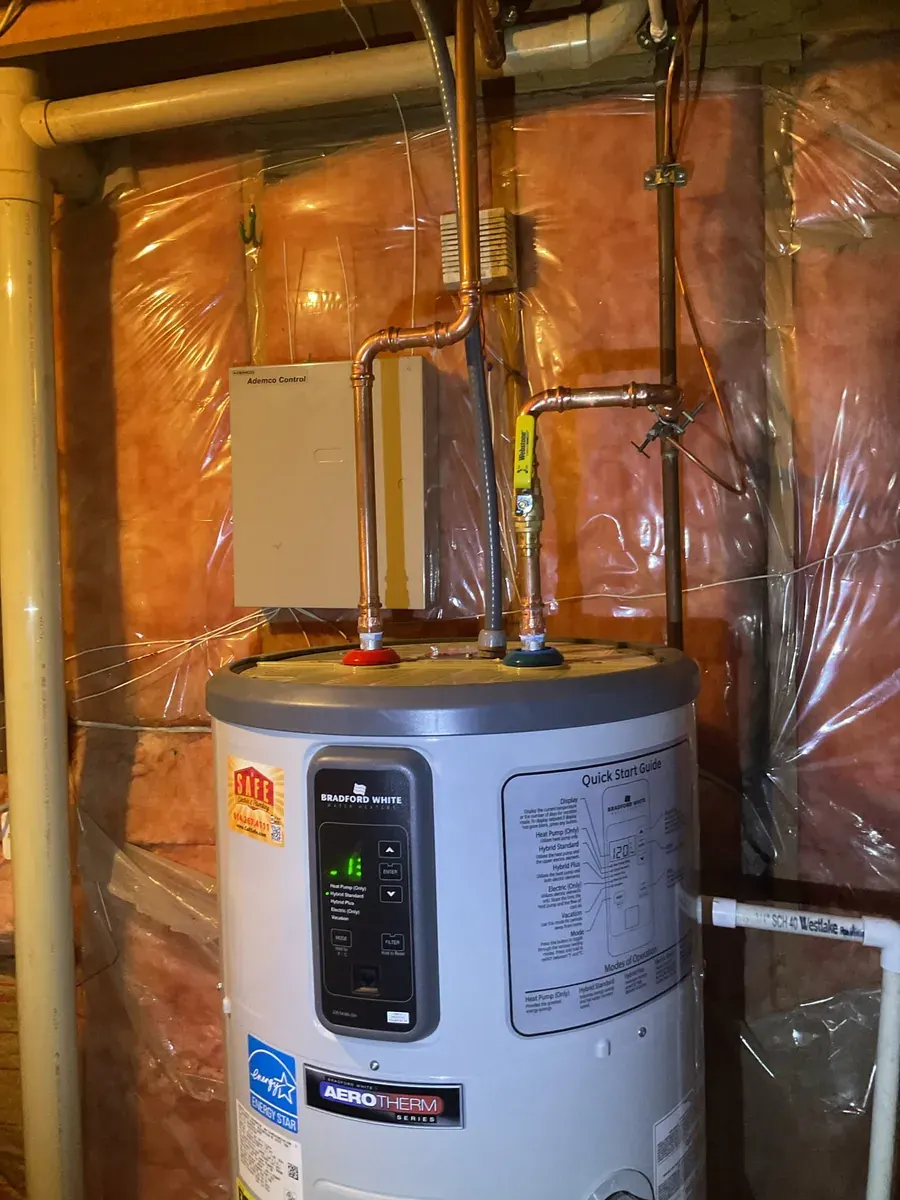
How a Tank Water Heater Works
Tank Water Heater: Pros and Cons
Tank heaters are the lower-cost option upfront, but they carry some long-term trade-offs worth knowing before you buy.
Pros
Lower purchase price and simpler installation than tankless units. Replacement parts are widely available, and most plumbers can service them quickly. A well-maintained tank heater is a straightforward, reliable appliance.
Cons
Shorter lifespan, typically 7 to 10 years. They run continuously to maintain water temperature, which uses more energy than heating on demand. Tanks are also prone to leaking as they age, and a larger household can outpace a single tank's capacity.
- Less expensive to purchase than tankless
- Easier to install than tankless
- Greater upfront capacity than tankless
- More readily available parts and service
- Shorter lifespan, 7 to 10 years
- Prone to leaking over time
- Less energy efficient than tankless
- Requires more ongoing maintenance
- May fall short for households with multiple simultaneous users
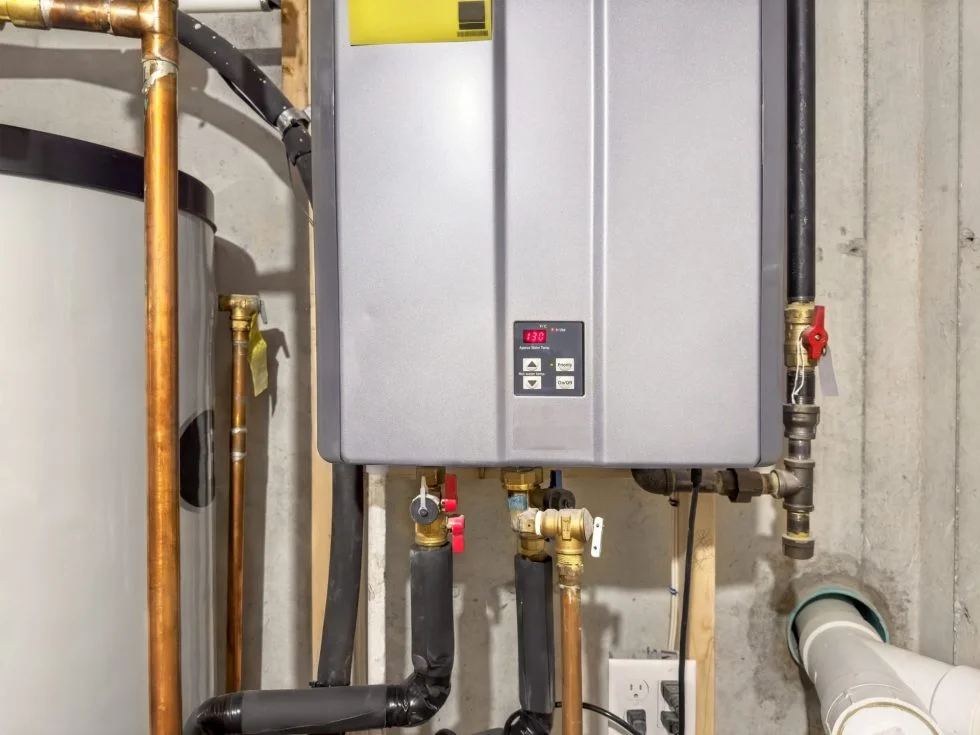
How a Tankless Water Heater Works
Tankless Water Heater: Pros and Cons
Tankless units cost more upfront, but they tend to outlast tank heaters by a decade or more.
Pros
Longer lifespan, 20 years or more with proper maintenance. More energy efficient because they only heat water when you need it. Compact and wall-mounted, so they free up floor space in smaller utility rooms.
Cons
Higher purchase price and more involved installation than a tank heater. A single unit may struggle to keep up when several hot-water fixtures run simultaneously. Installation can require upgrades to your gas line or electrical service, which adds to the project cost.
- More energy efficient than a tank water heater
- Longer lifespan, 20 years or more
- Takes up less space than a tank water heater
- Not prone to tank leaks
- Considerably more expensive than a tank water heater
- Takes longer to heat and dispense water initially
- Installation is more complex than a tank heater
- May not keep up with multiple simultaneous users
Which One Is Right for Your Home?
Safe Electric & Plumbing Can Help
If you are trying to decide between a tank and a tankless water heater, call Safe Electric & Plumbing at (614) 267-4111. One of our licensed plumbers will meet with you, go over your household's hot water needs, and recommend the option that actually fits your home. Not just the one that is easiest to sell. We have been serving Central Ohio since 1994, and we handle both the plumbing and any electrical work the job requires, so you are not coordinating two separate contractors.
Call (614) 267-4111