
Mon–Sun: 12 AM–11:30 PM Serving Columbus since 1994

Motion Light Installation in Columbus

Wired right, placed right, and backed by 32 years of electrical work in Central Ohio.
Motion Light Installation in Columbus

Get in touch

Call, text, or schedule online

★★★★★
“Adam showed up on time- spent plenty of time explaining our options and quickly sent an estimate. …”
Tyler W. · Google review

Columbus Motion Light Installation That Works

Safe Electric & Plumbing handles motion light installation in Columbus and throughout Central Ohio, from a single dusk-to-dawn fixture at your front door to a full perimeter lighting plan on a larger property. If you've got a dark driveway, an unlit side entrance, or a garage that feels like a security gap every time you pull in after dark, that's exactly the kind of job our team handles every week. Call (614) 267-4111 and we'll get someone out to assess your setup.

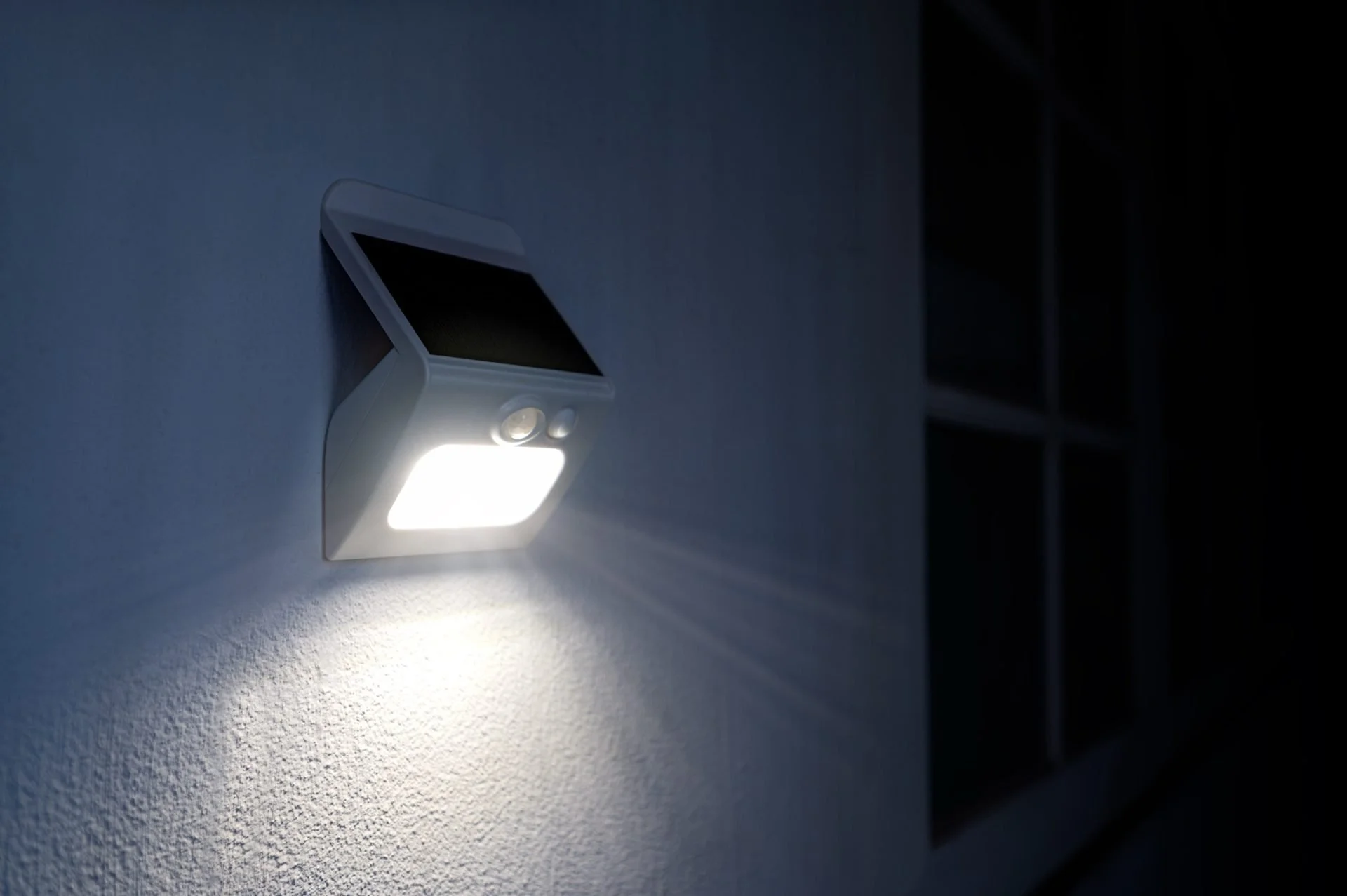
Motion sensor lights work by detecting infrared heat signatures emitted by moving bodies. A passive infrared (PIR) sensor is the most common type in residential settings and picks up the contrast between a warm object moving through a static background. Microwave sensors work differently, sending out a signal and measuring the return. Where you place the fixture and which sensor type you choose matters more than most homeowners expect. A light aimed at a busy street will false-trigger all night. One mounted too low on a garage wall will miss the driveway completely. Our electricians assess the coverage angle, trigger zone, and existing circuit capacity before touching a single wire. We also cover wiring installation details if the job requires running new wire to the location. Cost depends on how many fixtures you're adding, whether we're tapping an existing outdoor circuit or running new wire, and what kind of fixture you choose. Every job is different, contact Safe Electric & Plumbing for an accurate estimate.

What Triggers a Motion Sensor Light

Understanding the technology helps you pick the right fixture for the right spot.

Passive Infrared (PIR)

PIR sensors detect heat signatures from moving bodies. They're the most common type in residential motion lighting. Reliable, low-power, and rarely triggered by wind or rain. They're the right call for most Columbus driveways and entryways.

Dual-Technology Sensors

Combining PIR and microwave detection, these require both signals to trigger the light. False activations from animals or passing cars drop significantly. Good choice when you've already dealt with nuisance triggering on a previous fixture.

Dusk-to-Dawn vs. True Motion

Dusk-to-dawn sensors use a photocell to keep the light on from sunset to sunrise. That's not motion-activated lighting. It's always-on after dark. Motion-activated lights only fire when triggered, which uses far less power and draws attention to actual movement.

Placement Makes or Breaks the Install

Bad placement is the number one reason motion lights fail to do their job. Mount a fixture too high and the sensor zone won't catch someone approaching low or crouched. Aim it toward a road and every car becomes a trigger. Point it at a tree branch and Ohio wind does the rest. We've seen all of it in 32 years of Columbus electrical work. Our process: we look at the approach angles for each area you want covered, check for interference sources like heat vents, street traffic, or overhanging branches, and confirm there's an accessible circuit nearby before we commit to a location. We won't put a fixture where it'll cause you problems, and we won't recommend a more complex install than your situation actually needs. We also link this work to your broader electrical services so you're not calling two companies when the job grows. For most single-family Columbus homes, the priority locations are: the main entry, the garage perimeter, and any side or rear access points that face away from the street. That's where the security gaps usually are.

How We Handle the Installation

  1. Site Assessment

    We walk the exterior with you, identify coverage gaps, check existing outdoor circuits for capacity, and confirm placement angles before picking up a tool.

  2. Wiring and Mounting

    We run any necessary wire, mount the fixture to a weatherproof box, and make all connections to Ohio electrical code standards for outdoor installations.

  3. Sensor Calibration and Test

    We set the sensitivity range, timing delay, and detection zone, then walk the coverage area ourselves to confirm it triggers correctly and doesn't false-fire from ambient movement.

Do Motion Lights Actually Save Energy?

Short answer: yes, especially compared to always-on porch or driveway lights. A fixture that only fires for 30 to 60 seconds when triggered uses a fraction of the power of a light that runs all night. Switch to LED motion lights and the savings compound, LED bulbs rated for outdoor use typically draw 10 to 15 watts compared to the 60 to 100 watts of older incandescent security lights. The concern about motion lights raising your electric bill usually comes from fixtures set to maximum sensitivity with a long-duration timer, or from always-on dusk-to-dawn fixtures being called 'motion lights' by the people selling them. They're different products. We'll explain the difference when we're on-site so you pick what fits your actual needs. For homes that already have electrical panel capacity questions or older wiring, we'll flag any concerns before we proceed. We don't add fixtures to circuits that can't handle them safely.

The technicians your neighbors in Columbus have called since 1994.

  1. 4.9 stars across 2,962 Google reviews

    The largest verified review count of any electrical contractor in the Columbus area.

  2. Background-checked, drug-tested technicians

    The person who shows up is a Safe Electric & Plumbing employee, not a subcontractor.

  3. 100% satisfaction guarantee

    If the work isn't right, we come back and fix it. That's been the standard here since day one.

Call (614) 267-4111

Motion Light Questions We Hear Every Week

Not on the list?(614) 267-4111Mon–Sun: 12 AM–11:30 PM
Can I turn any existing light fixture into a motion sensor light?
In some cases, yes. If you have an existing outdoor fixture on a standard junction box with accessible wiring, a motion sensor adapter or a replacement fixture with a built-in sensor can often be installed without running new wire. It depends on the box depth, wire gauge, and circuit load. We check all of that before committing to an approach. Not every fixture location is a clean swap.
What causes motion sensor lights to false-trigger?
The most common culprits in Central Ohio are sensor fields aimed at driveways or streets where passing cars generate heat signatures, HVAC vents on the exterior of the house, and tree branches that move in the wind if the fixture is using microwave detection. Sensitivity set too high at the factory is also frequent. We calibrate every fixture we install and aim the sensor field during the job, not just mount it and leave.
Do motion sensor lights need a dedicated circuit?
Usually not for a standard residential fixture. Most outdoor motion lights draw 10 to 20 watts on LED and can share an existing outdoor circuit without issue. Where we do recommend a separate circuit is when you're adding multiple high-wattage fixtures, or when the existing outdoor circuit is already at or near capacity. We check before we wire.
How long do motion sensor lights typically last?
The fixture itself, if it's quality-rated for outdoor use, will commonly last 10 or more years. The sensor component can wear out faster, especially in Ohio winters with repeated freeze-thaw cycles. LED bulbs integrated into the fixture are often rated 25,000 hours or more. Cheap fixtures from big-box stores tend to fail faster outdoors. We'll tell you honestly if what you've already purchased isn't worth mounting.
What's the difference between a motion light and a dusk-to-dawn light?
A dusk-to-dawn light uses a photocell sensor to turn on at sunset and off at sunrise, it runs all night regardless of activity. A motion-activated light stays off until something triggers the sensor. For security purposes, motion activation is often more effective because the sudden illumination draws attention to movement. Many fixtures offer both modes, and we can set them up to operate whichever way fits your situation.
Does adding motion lights require an electrical permit in Columbus?
It depends on the scope. Replacing an existing fixture in the same location on an existing circuit typically doesn't require a permit in Columbus. Running new wire, adding circuits, or installing multiple fixtures as part of a larger exterior electrical project often does. Safe Electric & Plumbing handles permitting when it's required. We know the local requirements and won't skip a step that protects you down the line.
What causes motion sensor lights to false-trigger and how do you prevent it?
The most common culprits are sensor fields aimed at driveways or streets where passing cars generate heat signatures, HVAC vents on the exterior of the house, and tree branches that move in the wind if the fixture uses microwave detection. Sensitivity set too high at the factory is also frequent. We calibrate every fixture we install and aim the sensor field during the job, not just mount it and leave.
Do motion sensor lights raise my electric bill?
They typically lower it compared to always-on porch or driveway lights. A motion-activated LED fixture drawing 10 to 15 watts and running for 60-second bursts uses a small fraction of the power of a 60-watt incandescent running all night. The concern about higher bills usually comes from fixtures with maximum sensitivity settings, long timer durations, or from dusk-to-dawn fixtures being confused with true motion activation.
Do motion sensor lights need their own dedicated circuit?
Usually not for a standard residential fixture. Most outdoor motion lights draw 10 to 20 watts on LED and can share an existing outdoor circuit without issue. Where we recommend a separate circuit is when you're adding multiple high-wattage fixtures or when the existing outdoor circuit is already near capacity. We check the circuit load before we wire anything.
What's the best placement for motion lights to avoid false triggers?
Aim the sensor field across the approach path rather than directly toward a street or road. Mount at 6 to 10 feet for most PIR sensors, high enough to cover the zone, low enough that the detection field doesn't extend past your property line toward traffic. Keep the coverage area clear of HVAC vents and high-traffic foliage. We walk every location before mounting to confirm the field covers what it should and ignores what it shouldn't.
How long do outdoor motion sensor lights typically last?
A quality outdoor-rated fixture commonly lasts 10 or more years. Integrated LED bulbs are often rated 25,000 hours or more. The sensor component is typically the first thing to fail, especially with Ohio's freeze-thaw cycles. Cheap fixtures from big-box stores tend to degrade faster outdoors. We'll tell you honestly if what you've already purchased isn't worth mounting.

Related