Essential Wiring Upgrades for Smart Homes
Before the smart devices go in, your electrical system needs to be ready for them.
“We woke up to a partial power outage. From my call in the early morning (which I was asked lots of good questions so the electrician would be prepared). …”
Five upgrades your home's wiring needs first
Thinking about upgrading to a smart home? Devices like automated lighting, smart thermostats, motorized shades, connected appliances, and EV chargers offer real convenience and energy savings. But here's the catch: all these systems rely on your home's electrical infrastructure to work safely and effectively.
Before the first smart switch goes in, it's worth asking whether your electrical system was ever built to handle what you're planning. Most Columbus homes, especially those built before 1990, weren't. Here are the five wiring upgrades that matter most, and why skipping any one of them creates problems down the road. If you're not sure where your home stands, our electrical services team can take a look before you spend a dollar on devices.

Written by
Matt Wehrle · Owner, Safe Electric & Plumbing & Plumbing
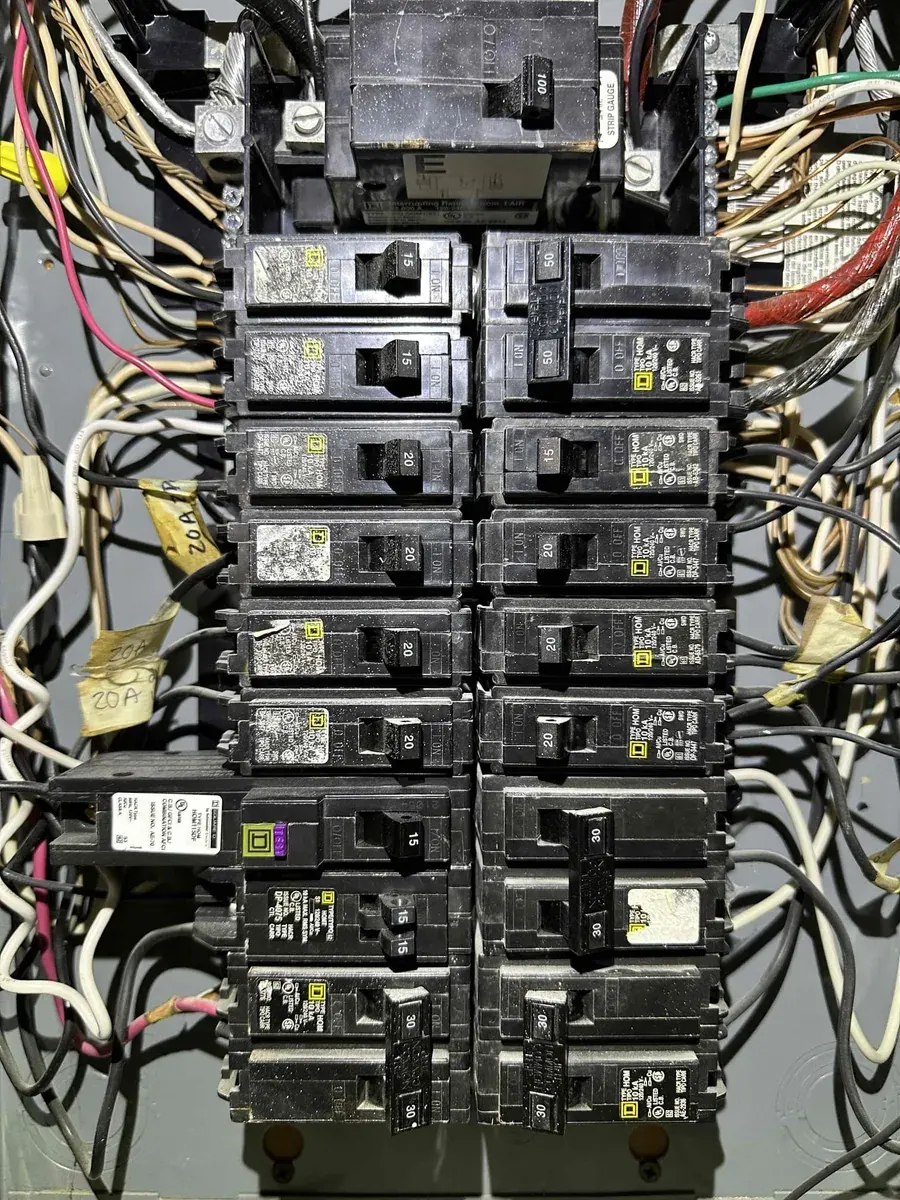
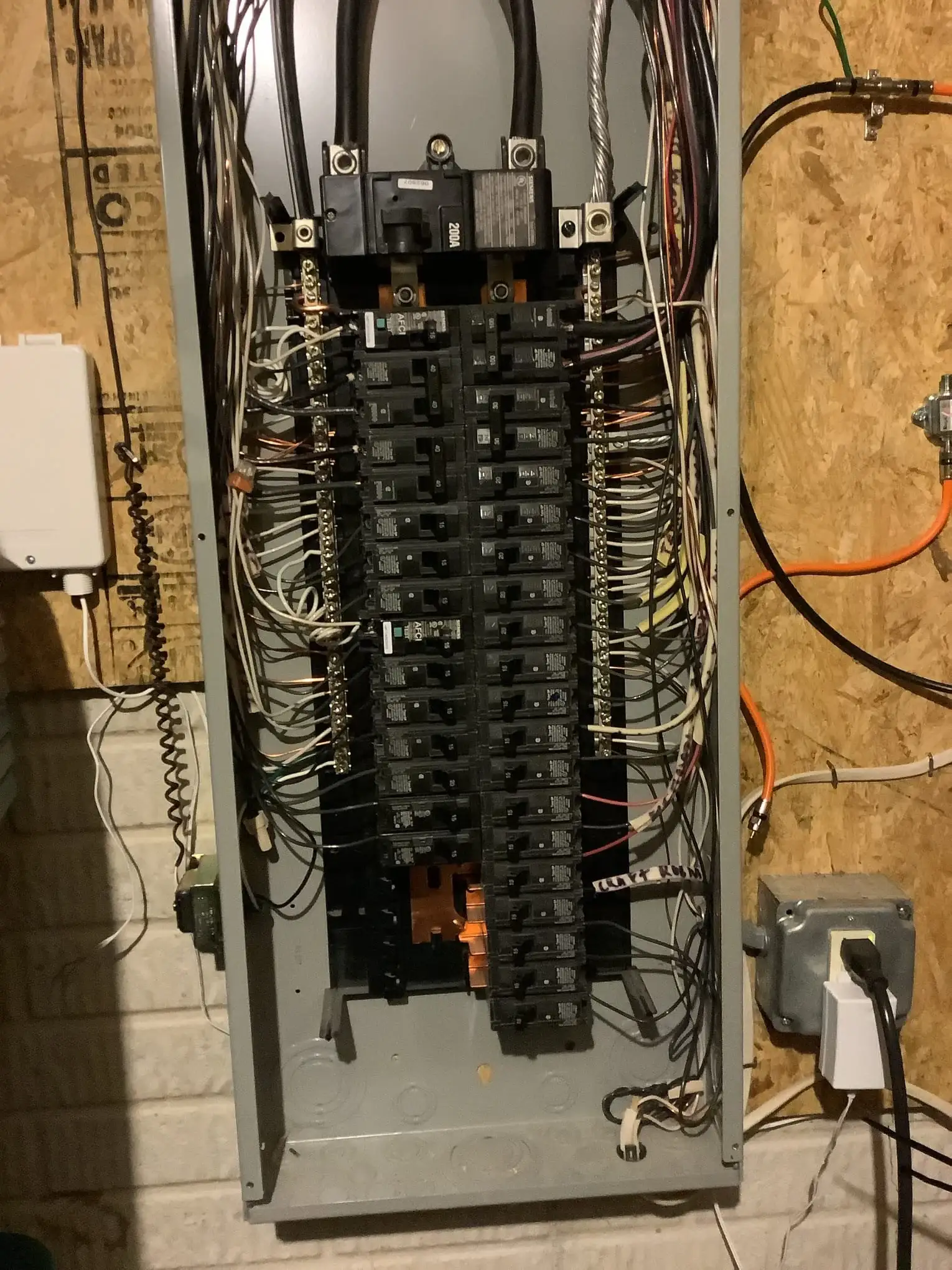
1. Electrical Panel Capacity
2. Dedicated Circuits for Smart Devices
Smart home equipment works best, and safest, when given its own dedicated circuit.
EV Chargers
A Level 2 charger draws 30–50 amps continuously. It needs its own dedicated 240V circuit, sharing one causes breaker trips and potential wiring damage over time.
Tankless Water Heaters
Electric tankless units pull heavy loads on demand. A shared circuit can't sustain the spike, which shortens the heater's life and trips breakers at inconvenient moments.
Home Automation Hubs
Control centers and backup battery systems are always on. Putting them on a dedicated circuit protects them from the fluctuations that shared circuits introduce throughout the day.
- Smart ovens and ranges
- Tankless water heaters
- EV chargers
- Home automation hubs and control centers
- Backup battery systems
3. Whole-Home Wiring Assessment
Many smart devices need more than just an outlet, the wiring behind the wall matters too.
Neutral Wires at Switches
Older switch boxes often have no neutral wire, just a hot and a traveler. Most smart dimmer switches require a neutral to power their radio. Without one, you're rewiring or choosing a different device.
Low-Voltage Wiring
Motorized shades, security panels, and structured wiring systems run on low-voltage. These runs need to be planned before walls are closed, retrofitting is significantly more disruptive.
GFCI and AFCI Protection
Smart appliances in kitchens, bathrooms, and unfinished spaces often require GFCI or arc-fault breaker protection under current code. An assessment catches these gaps before an inspector does.
- Smart lighting systems may require neutral wires at switch locations.
- Automated window treatments need low-voltage wiring or nearby outlets.
- Home security systems often require both low-voltage and standard wiring.
- Smart appliances may call for GFCI or AFCI protection.
4. Proper Grounding and Bonding
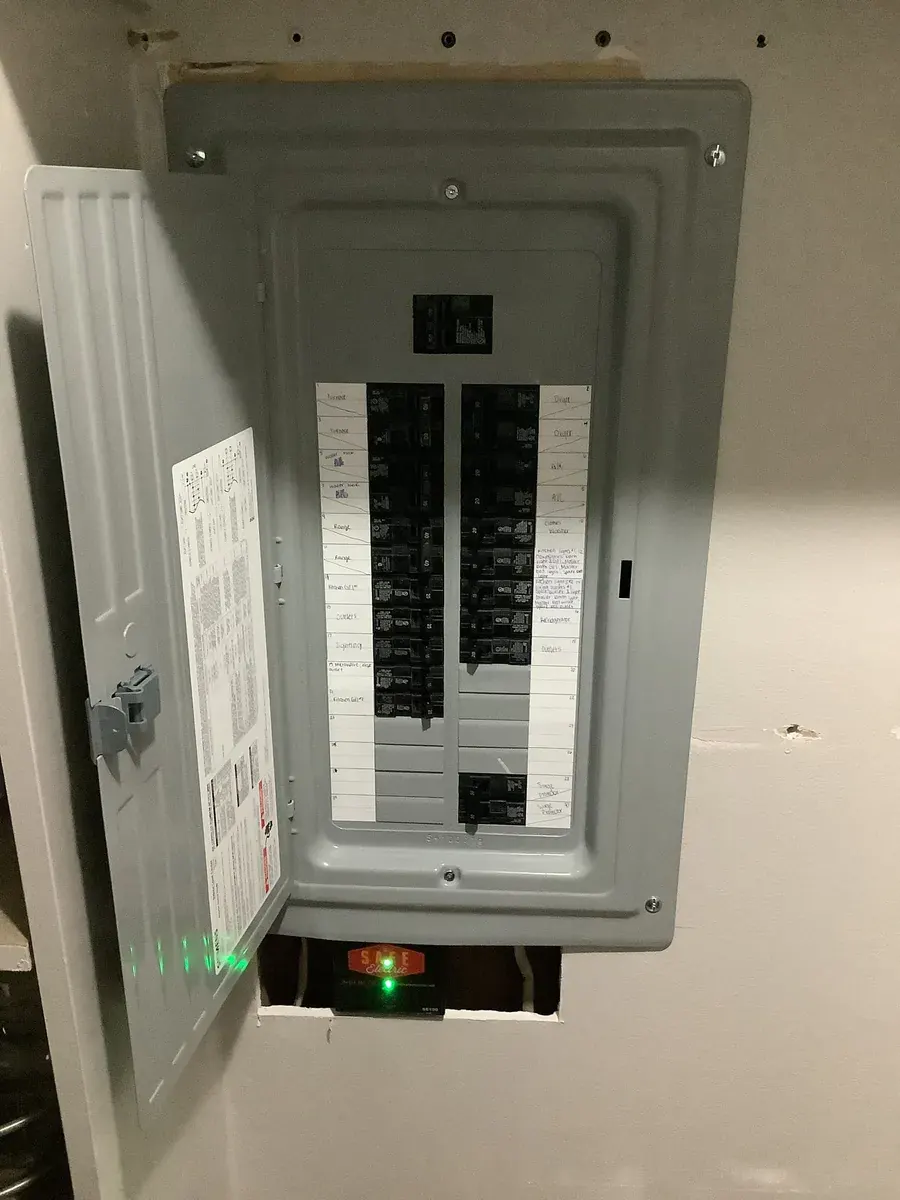
5. Surge Protection for Every Circuit
Ready to Upgrade? Call Safe Electric & Plumbing.
Upgrading to a smart home wiring system delivers real benefits, faster, more responsive control, better security, and lower energy bills over time. But those benefits depend on getting the electrical foundation right first. If you're ready to upgrade, call Safe Electric & Plumbing at (614) 267-4111. We'll evaluate your existing electrical system, walk through your plans, and tell you exactly what your home needs, and what it doesn't. No pressure, just honest advice from electricians who've been doing this in Columbus since 1994.
Call (614) 267-4111