
Fuse Box Vs. Circuit Breaker
What every Columbus homeowner should know about their home's electrical panel.
“Tyson was the best! He was on time and took his time to make sure everything was correct and to explain everything to me. …”
Which System Is Actually Safer?
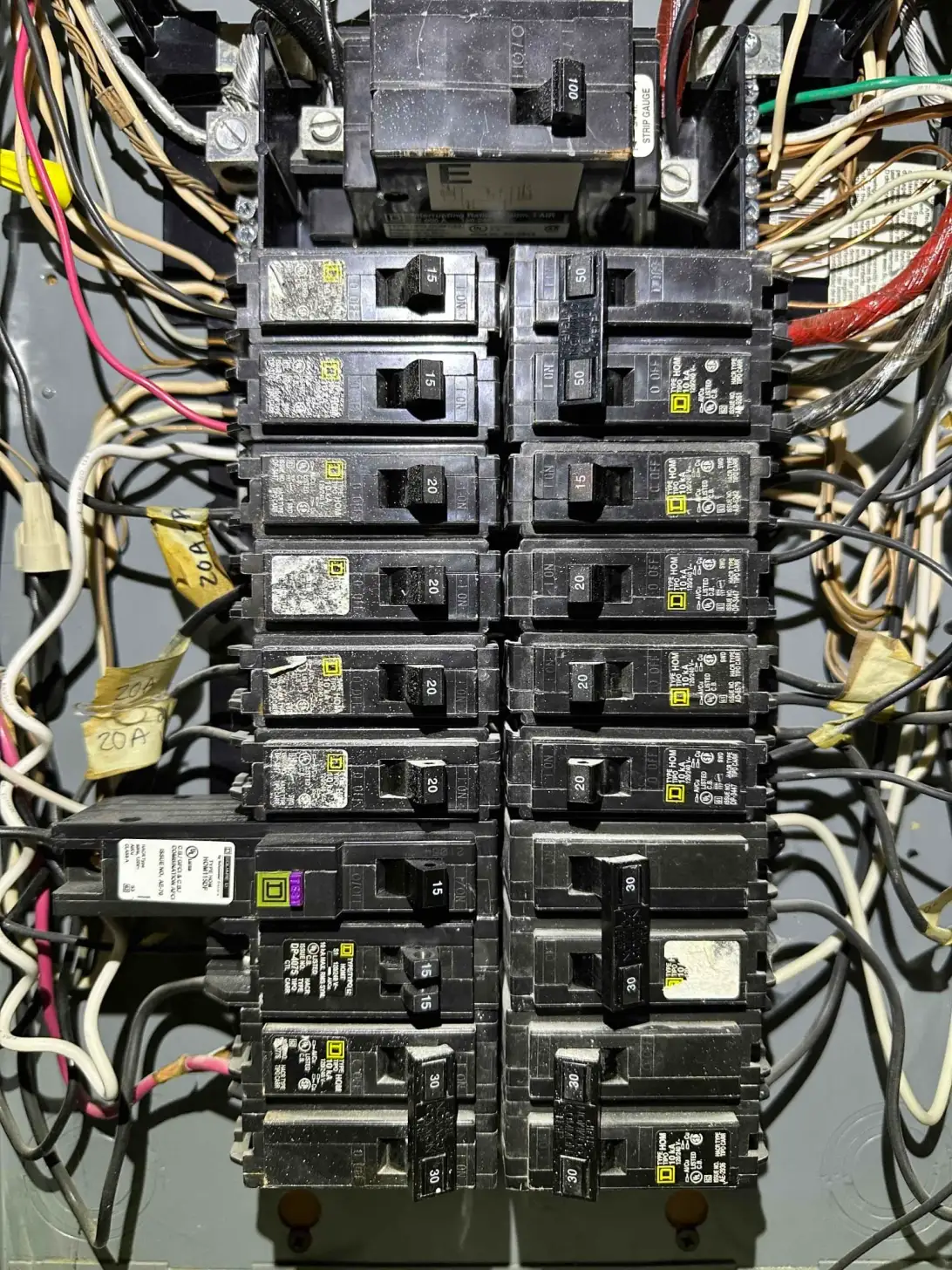
New homeowners and some long-time homeowners have never heard of a fuse box, much less seen one. Yet many older Columbus-area homes still contain them, especially houses built before the 1970s in neighborhoods like Clintonville, German Village, and Hilliard. Understanding the similarities and differences between the two devices matters when you're maintaining your home's electrical system.
Both fuse boxes and circuit breakers do the same fundamental job: they interrupt the flow of electricity when a circuit is overloaded, preventing wires from overheating and catching fire. The difference is in how they do it, and what happens after they trip.

Written by
Matt Wehrle · Owner, Safe Electric & Plumbing & Plumbing
Is a Circuit Breaker the Same as a Fuse?
Fuse Box vs. Circuit Breaker Panel: Key Differences
The gap between these two systems goes well beyond convenience.
Capacity
Fuse boxes typically provide 60-amp service. Most modern homes require 200-amp service to run today's appliances, HVAC systems, and electronics without constantly blowing fuses.
Dedicated Circuits
Fuse panels rarely have dedicated circuits for high-draw appliances like dishwashers or central air conditioners. Breaker panels are designed with dedicated circuits as standard.
Overload Risk
A blown fuse must be replaced. A common dangerous workaround: using a 30-amp fuse in a 15-amp holder. It stops the fuse from blowing, but it lets the wiring overheat, which is how electrical fires start.
Resettability
When a breaker trips, you reset the switch. When a fuse blows, you buy a new one. Over time, fuse costs add up, and the temptation to use the wrong size fuse grows.
Insurance
Many insurance companies will not cover a home that still has a fuse box. If you're buying or selling a Columbus home, this is a real obstacle, and sometimes a deal-breaker.
Safety Standards
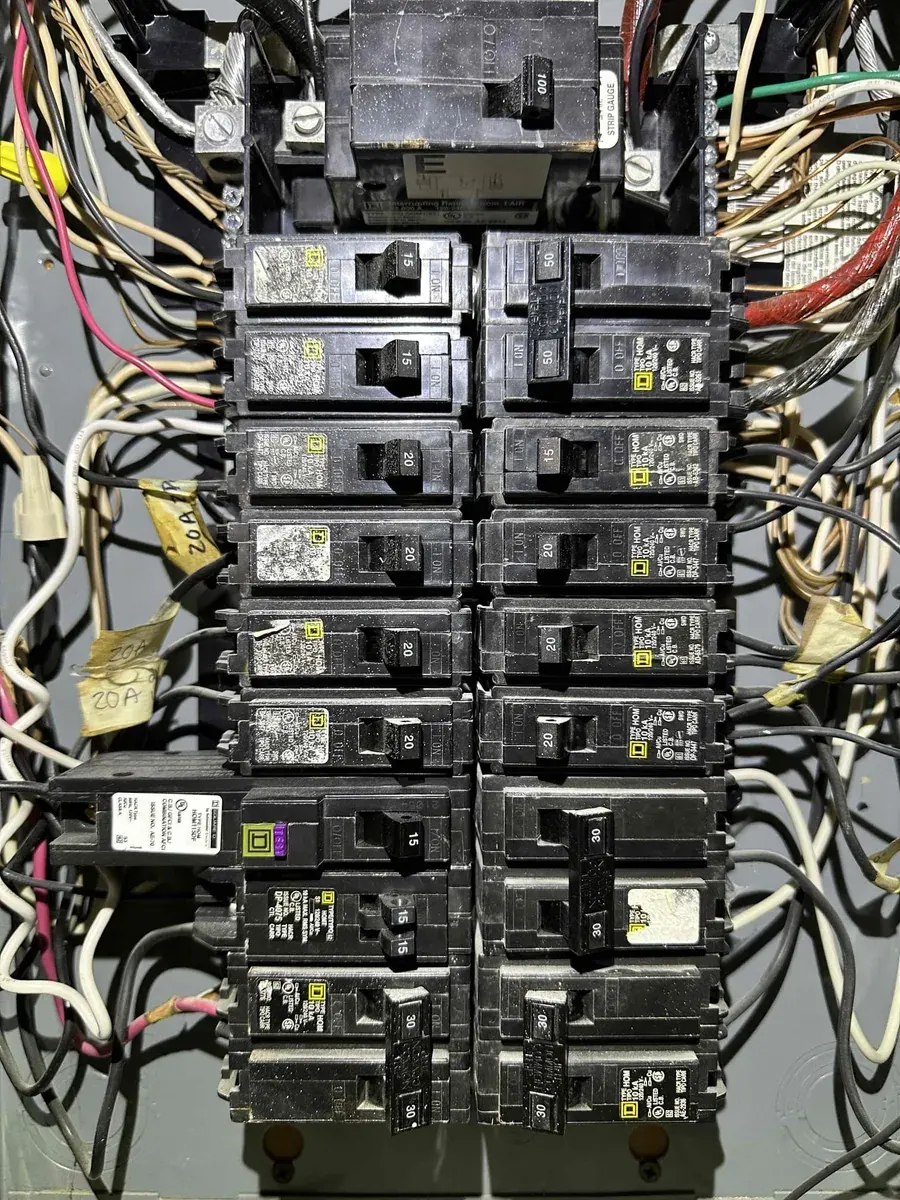
Circuit breaker panels are built to current electrical codes. Fuse boxes, by definition, are not. That doesn't make every fuse box immediately dangerous, but it does mean any problem is harder to diagnose and correct.
When a Fuse Box Needs Attention Now
Cost to Replace a Fuse Box with a Breaker Panel
Maintenance: What Each System Requires
Neither system is entirely maintenance-free. Here's what to expect from each.
Fuse Box Maintenance
Fuse boxes require relatively little ongoing maintenance, but you'll need to keep replacement fuses on hand. The bigger risk is that a blown fuse prompts a homeowner to install the wrong size replacement, a shortcut that creates a fire hazard.
Circuit Breaker Maintenance
Breaker panels should be inspected every one to three years by a qualified electrician. A routine trip test, where each breaker is manually tripped and reset to confirm it functions, should be done every three to five years.
When to Call an Electrician
If breakers trip repeatedly on the same circuit, if you smell burning near the panel, or if the panel is warm to the touch, don't reset and ignore it. Have it looked at. Our team serves Columbus and surrounding areas nearly 24/7. Call (614) 267-4111.
Questions About Your Panel? Call Matt's Team.
Safe Electric & Plumbing has been inspecting, replacing, and upgrading panels in Columbus-area homes since 1994. If your home still has a fuse box, or if your breaker panel is giving you trouble, give us a call. We're available nearly 24/7.
Call (614) 267-4111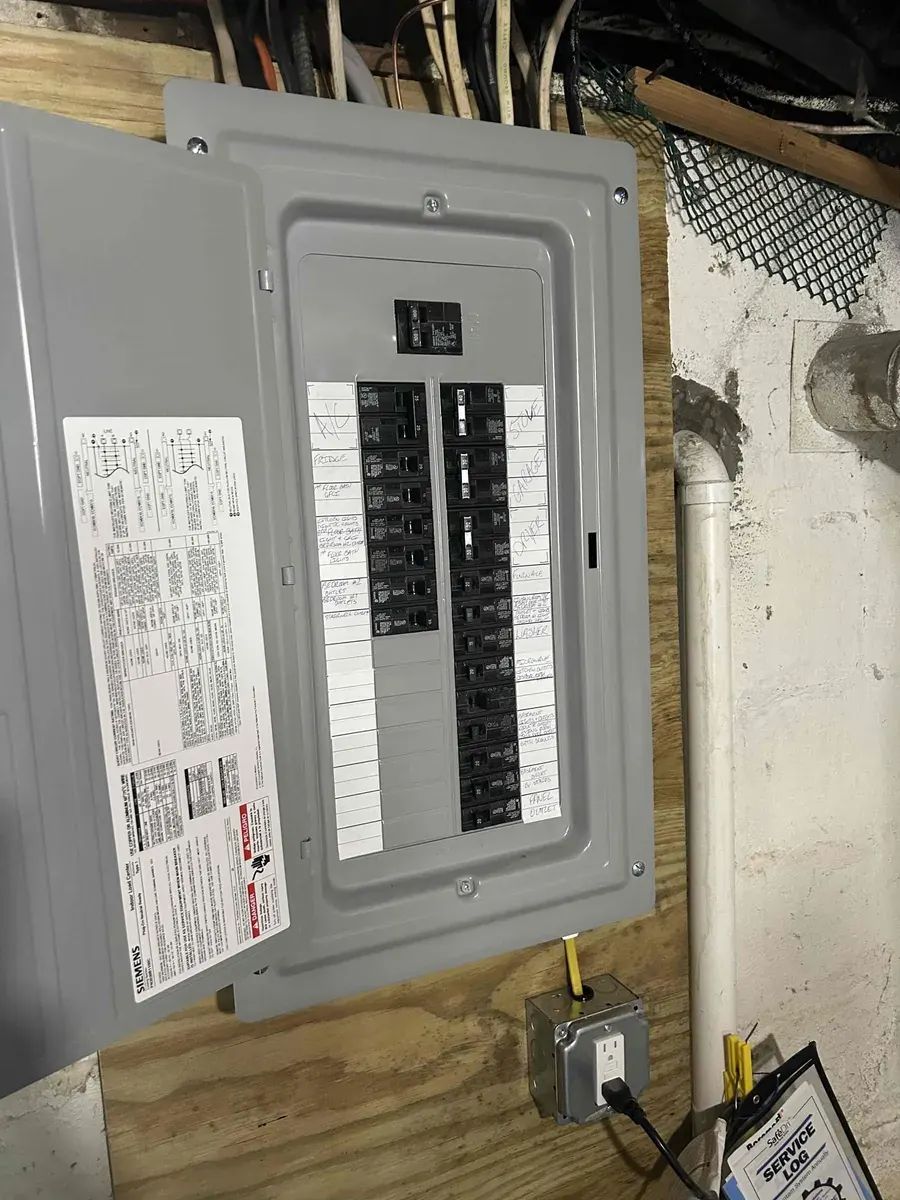
More From the Safe Electric & Plumbing Blog
Water Heater Services: A Complete Guide 2026
Everything Columbus homeowners need to know about water heater repair, replacement, and maintenance.
What to Expect from an Electrical Inspection
A walkthrough of what our electricians check during a full home electrical inspection, and why it matters.
Water Filtration Installation: A Comprehensive Guide
From whole-home systems to under-sink filters, here's what you need to know before installing water filtration.
Why You Need a Plumber for Low Water Pressure
Low water pressure can signal a bigger issue. Find out when it's a DIY fix and when to call a plumber.
How to Clean Shower Drains and When to Call a Plumber
Regular drain cleaning keeps clogs from becoming bigger problems. Here's how, and when to escalate.