
Mon–Sun: 12 AM–11:30 PM Serving Columbus since 1994

Electrical Fuse Replacement in Columbus

32 years serving Columbus homes, fuse problems diagnosed and fixed right the first visit.
Electrical Fuse Replacement in Columbus

Get in touch

Call, text, or schedule online

★★★★★
“Bryce let me know exactly what was needed and informed me what he would do!”
Frank S. · Google review

Fuse Replacement in Columbus Homes

Safe Electric & Plumbing handles electrical fuse replacement in Columbus, and has since 1994. If a fuse in your home keeps blowing, or you've lost power to part of the house and can't figure out why, that's exactly the kind of call we take nearly 24 hours a day. Call (614) 267-4111 and we'll get a qualified technician to your door.

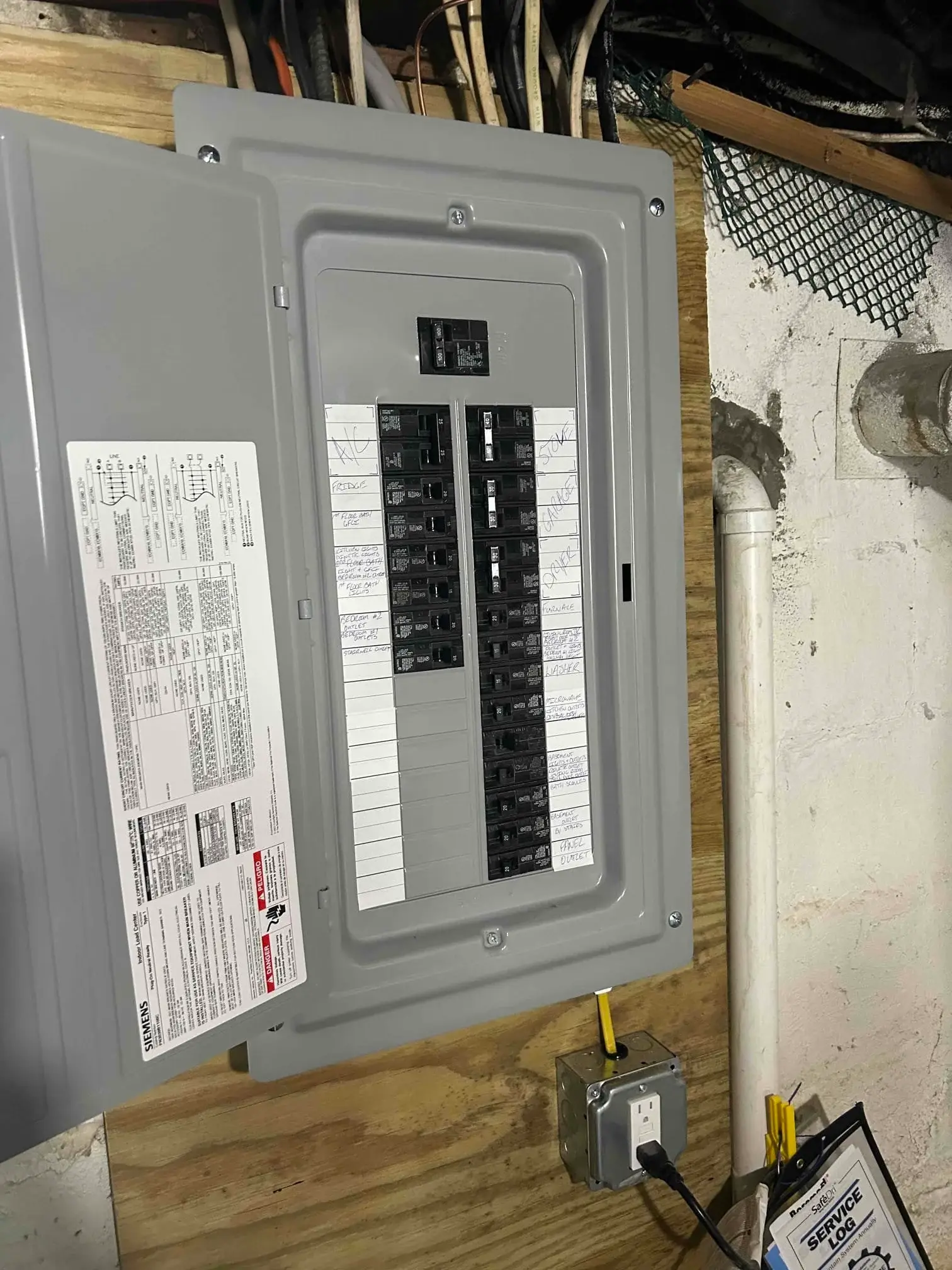
A blown fuse isn't always a simple swap. In a lot of Columbus homes built before 1970, the fuse box itself is the problem: the wiring behind it has aged, the amperage rating no longer matches what modern appliances draw, or someone has installed a fuse that's rated too high for the circuit. We don't just drop in a new fuse and leave. Our technicians inspect the panel, identify why the fuse failed, and tell you honestly whether a replacement fuse handles it or whether you're looking at a deeper issue like an electrical service upgrade. Cost depends on what we find: a single fuse swap is a straightforward job, but a fuse box that needs full assessment or component work is a different scope entirely. Every job is different, contact Safe Electric & Plumbing for an accurate estimate.

Fuses vs. Circuit Breakers in Columbus Homes

Columbus has more fuse-based homes than most people realize, and that gap matters for safety.

Most homes built after the late 1960s use circuit breakers. Breakers trip and reset. Fuses, by contrast, are one-shot protection devices: when a circuit overloads, the metal strip inside the fuse melts and breaks the circuit permanently. You can't reset it. You replace it. That's by design, and it's not inherently dangerous. The danger comes when a fuse blows repeatedly and someone installs a higher-rated fuse to stop the tripping. Now the circuit is no longer protected. That's a fire risk, and it's one of the most common problems we see in older Columbus neighborhoods. If you want a deeper look at how the two systems compare, our article on fuse boxes vs. circuit breakers walks through the key differences.

Signs Your Fuse Box Needs Attention

Don't wait until the lights go out in the middle of winter to deal with an aging fuse panel.

Burning Smell or Discoloration

Scorching around a fuse socket is a serious warning. That heat means arcing. Arcing means a fire risk. Don't replace the fuse yourself and call it done. That panel needs a technician's eyes on it.

Lights Flickering on Load

When a large appliance starts up and the lights dim or flicker, the panel is struggling to handle the demand. Older fuse boxes often weren't sized for modern load. That's a capacity problem, not just a fuse problem.

Insurance or Inspection Flag

Many insurance companies won't renew a policy on a home with an older fuse box, particularly if it's over 60 amps. If you've received that letter, we can assess the panel and explain your options clearly.

  • Fuses blow more than once a month on the same circuit
  • You smell burning plastic or see discoloration around the fuse box
  • Lights flicker when the refrigerator, AC, or dryer kicks on
  • You've added new appliances but the panel hasn't been upgraded
  • The fuse box has signs of DIY wiring, mismatched fuses, tape, scorching
  • Your home inspector or insurance company flagged the panel
  • The panel is a Federal Pacific or Zinsco brand (known failure risk)

What Happens During a Fuse Replacement Visit

We don't show up, pull a fuse, and hand you a bill. That's not how a 32-year electrical business operates.

  1. Diagnosis First

    We assess the fuse that failed, the circuit it protects, and the panel as a whole. If the fuse blew because of a single event, that's one answer. If the wiring is undersized or there's a fault downstream, that's another, and it changes what we recommend.

  2. Replacement and Testing

    We install the correct fuse for the circuit's rated amperage, not whatever fits, the right one. After replacement, we test the circuit under load to confirm it holds. We also check neighboring circuits for signs of overload or heat damage.

  3. Honest Assessment

    If your home needs more than a fuse replacement, a panel upgrade, additional circuits, or a full electrical service upgrade. We'll tell you straight. We won't push work that isn't warranted, and we won't leave you with a band-aid when the real fix is something bigger.

Why This Isn't a DIY Job
Hardware stores sell fuses. We're not going to pretend they don't. But here's what the packaging won't tell you: installing the wrong amperage fuse in an aging fuse box is one of the leading causes of residential electrical fires. The fuse is protecting you from the wiring, not just from a tripped breaker. If you put in a 30-amp fuse on a circuit that's wired for 15 amps, you've eliminated the protection entirely. The wiring will overheat before the fuse blows. We've been in Columbus homes for 32 years and we've seen what happens when that goes wrong. Beyond the safety issue, Columbus-area electrical work that goes beyond simple maintenance typically requires a permit and inspection through the local building department. Unpermitted work can create complications when you sell the home or file an insurance claim. For more on what's involved in your home's electrical system, our electrical repairs overview covers the full scope of what we handle.
repeatedly blown fuses work, professional service in Columbus, OH

When Fuse Replacement Points to a Bigger Fix

Not every fuse call ends with a fuse. Columbus has a lot of housing stock from the 1940s through the 1960s, German Village bungalows, Clintonville two-stories, Hilliard ranch homes, and a significant number of those homes still have 60-amp fuse panels that were sized for a world without central air, dishwashers, or home offices. If your panel falls into that category, a fuse replacement solves today's problem and nothing else. We'll be honest with you about whether you're better served by a fuse swap or by an electrical panel upgrade that actually meets what your household draws. Some homeowners put it off because of cost. That's a real consideration, and we're not here to pressure anyone.

Backed by 2,962 Columbus Reviews

4.9 stars on Google. BBB accredited. 32 years in Central Ohio.

Call (614) 267-4111, available nearly 24 hours a day, every day.
  1. 4.9-star average across 2,962 Google reviews

  2. BBB accredited, serving Columbus since 1994

  3. Qualified electricians licensed in Ohio

Call (614) 267-4111

Fuse Replacement Questions, Answered

Not on the list?(614) 267-4111Mon–Sun: 12 AM–11:30 PM
What's the difference between a fuse and a circuit breaker?
A fuse contains a metal strip that melts permanently when a circuit overloads, cutting power. A circuit breaker does the same job but mechanically. It trips and can be reset. Fuse-based systems aren't inherently unsafe, but they require correct fuse ratings and a panel in good condition. Homes with fuse boxes are increasingly flagged by insurers, which is why we assess the whole panel when we're called for a fuse replacement.
Can I replace a blown fuse myself?
Swapping an identical fuse on a one-time event is low-risk for someone comfortable around their panel. The danger is installing the wrong amperage. A 20-amp fuse on a 15-amp circuit isn't protection anymore. If the fuse has blown more than once, or if you see discoloration or smell burning, don't touch it, that panel needs a qualified technician.
Will homeowners insurance cover electrical panel replacement?
It depends on why the panel failed and what your policy says. Sudden damage from a lightning strike or power surge is more likely to be covered than general aging. What many homeowners don't realize is that some insurers won't renew policies on homes with older fuse boxes regardless of damage. The panel's age and type are the issue. Our technician Jeremy handled exactly this situation after a lightning strike and wrote an extensive insurance letter on behalf of the homeowner. We can document what we find, but the coverage decision is between you and your insurer.
How do I know if my fuse box needs full replacement rather than a fuse swap?
A few clear signals: fuses blowing repeatedly on the same circuit, a panel rated at 60 amps or less, visible scorching or heat damage inside the box, or an insurance company threatening non-renewal. A single blown fuse after a power surge is a different situation. We assess the panel on every service call and tell you what we see. We're not going to push a full panel replacement when a fuse is the actual answer.
Do fuse replacements require a permit in Columbus?
Replacing a single fuse in kind generally doesn't trigger a permit requirement. Work that goes further, replacing a fuse box, adding circuits, or upgrading amperage, typically requires a permit through the local building department. We know what requires permitting in Columbus and the surrounding areas, and we pull permits when the job calls for it. Unpermitted electrical work can complicate home sales and insurance claims, so we don't skip that step.
My fuses keep blowing on one circuit. What's actually wrong?
Repeated fuse failure on the same circuit almost always means one of three things: the circuit is overloaded by too many appliances drawing from it, the wiring on that circuit has a fault or deterioration, or someone installed an oversized fuse that eventually fails when load spikes. We trace the circuit, test for faults, and measure the actual load. The fuse is telling you something, we find out what.
Do fuse replacements in Columbus require a permit?
Replacing a single fuse in kind generally doesn't trigger a permit requirement. Work that goes further, replacing a fuse box, adding circuits, or upgrading amperage, typically requires a permit through the local building department. We know what requires permitting in Columbus and pull permits when the job calls for it. Unpermitted electrical work can complicate home sales and insurance claims.
Why does the same fuse keep blowing on one circuit?
Repeated fuse failure on the same circuit almost always means one of three things: the circuit is overloaded by too many appliances, the wiring on that circuit has a fault or deterioration, or someone installed an oversized fuse that eventually fails when load spikes. We trace the circuit, test for faults, and measure the actual load. The fuse is telling you something, we find out what.

Related