
Water Heater Installation in Columbus
Electric, gas, and tankless units installed by licensed Columbus plumbers available nearly 24/7.
“Adam showed up on time- spent plenty of time explaining our options and quickly sent an estimate. …”
Columbus Water Heater Installation Done Safely
Safe Electric & Plumbing handles water heater installation in Columbus and throughout Central Ohio, whether you're replacing a worn-out tank, upgrading to a tankless unit, or switching from electric to gas. If you're running out of hot water before the dishes are done and the laundry hasn't even started, or you're seeing rusty-colored water coming from your faucets, that's not a problem that fixes itself. Call (614) 267-4111 and one of our licensed plumbers will assess the situation and get you back to normal without the guesswork.
Water heater installation isn't a straightforward swap, and any contractor who makes it sound like one is skipping steps. Gas connections, pressure relief valves, proper venting, and electrical hookups all have to be done to code, and in Columbus-area homes built before 1980, the existing plumbing and panel capacity sometimes need to be evaluated before a new unit goes in. What drives cost up or down on any given job includes the type of unit (tank versus tankless), fuel source, whether the water lines need reconfiguring, and how accessible the installation location is. Every job is different -- contact Safe Electric & Plumbing for an accurate estimate.
Tank vs. Tankless: Which Fits Your Home
Most Columbus homeowners can use either -- but the right call depends on how your household actually uses hot water.
Traditional Tank Water Heaters
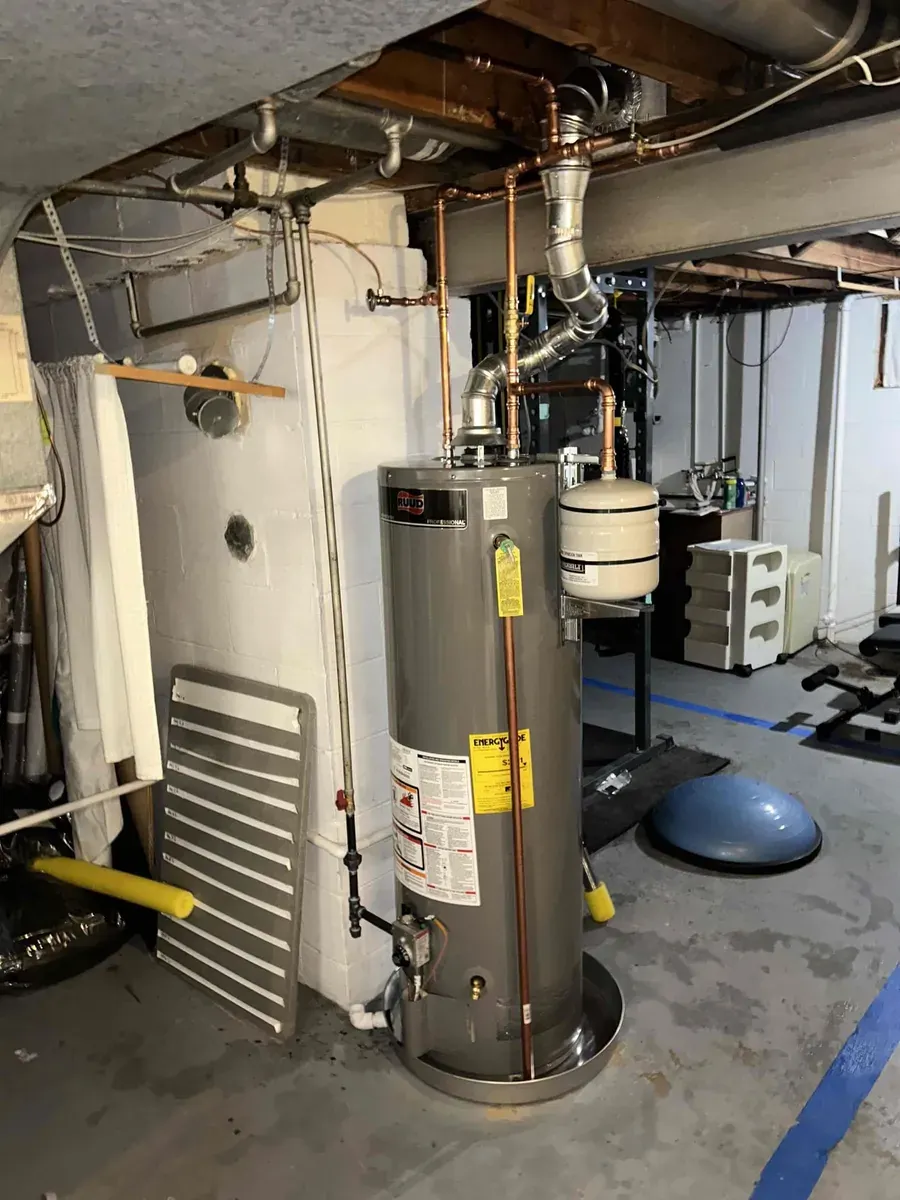
A 40- or 50-gallon tank unit is still the right choice for most Columbus homes. Lower upfront cost, straightforward installation, and compatible with older plumbing and electrical systems. Gas or electric, we install both. If your home runs on a 100-amp panel and your household uses hot water across multiple bathrooms at predictable times, a well-sized tank unit will serve you reliably for 7 to 10 years before you're thinking about replacement.
Tankless Water Heaters
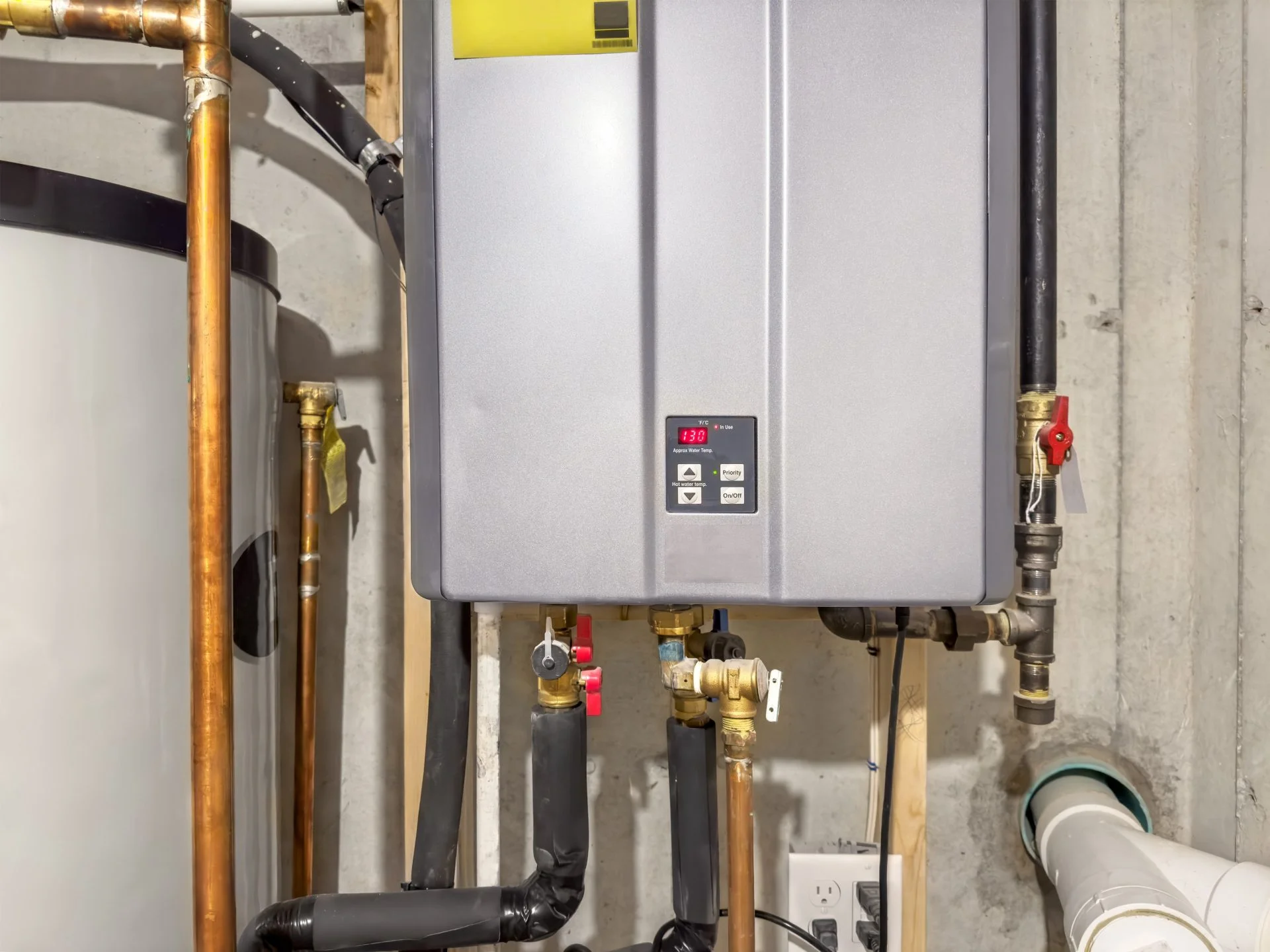
Tankless units heat water on demand, which means no standby heat loss and no running out mid-shower. The tradeoff is a higher installation cost and, for electric tankless units, significant amperage requirements -- often 120 to 150 amps for the heater alone. Many older Columbus homes aren't set up for that without a service panel upgrade. Gas tankless units have their own venting requirements. Honestly, they're not the right answer for every house. We'll tell you straight if your setup isn't ready.
Gas vs. Electric: What Columbus Homes Have
Most Columbus neighborhoods have access to natural gas, and gas water heaters tend to heat water faster and run cheaper over time. Electric units cost less to install and don't require gas line work, but operating costs are typically higher. If you're switching fuel sources -- gas to electric or the other direction -- that changes the scope of the job considerably. We handle both sides: plumbing and electrical work under one call.
The Installation Process, Start to Finish
Assess and Shut Down
We evaluate the existing unit, check the water supply lines, inspect the electrical or gas connection, and confirm proper venting. The old unit gets shut off and drained before anything else moves.
Remove and Prep
The old heater comes out, we inspect the connections and the space, and we address anything that needs updating before the new unit goes in -- corroded fittings, undersized supply lines, missing expansion tanks.
Install, Connect, and Test
The new unit is set, connected to water, gas or electric, and the pressure relief valve is installed and checked. We run the system through a full test cycle before we leave so you're not discovering a problem at 6 a.m.
When Columbus Homes Need More Than a Straight Swap
Why Licensing and Insurance Matter on This Job
Matt Wehrle's team is licensed as plumbing and electrical contractors in Ohio.
Licensed Ohio plumbing and electrical contractor
Both trades covered under one company
4.9 stars across 2,962 Google reviews
BBB accredited since founding
In business since 1994
32 years in Central Ohio homes
Other Plumbing Work We Handle
Water heater installation is one part of what our plumbing team covers. We also handle emergency plumbing calls, sump pump installation and repair, sewer and drain line repair, toilet repair, leak detection, and gas line installation. One call gets you a licensed plumber -- no referrals to a separate company.
Call (614) 267-4111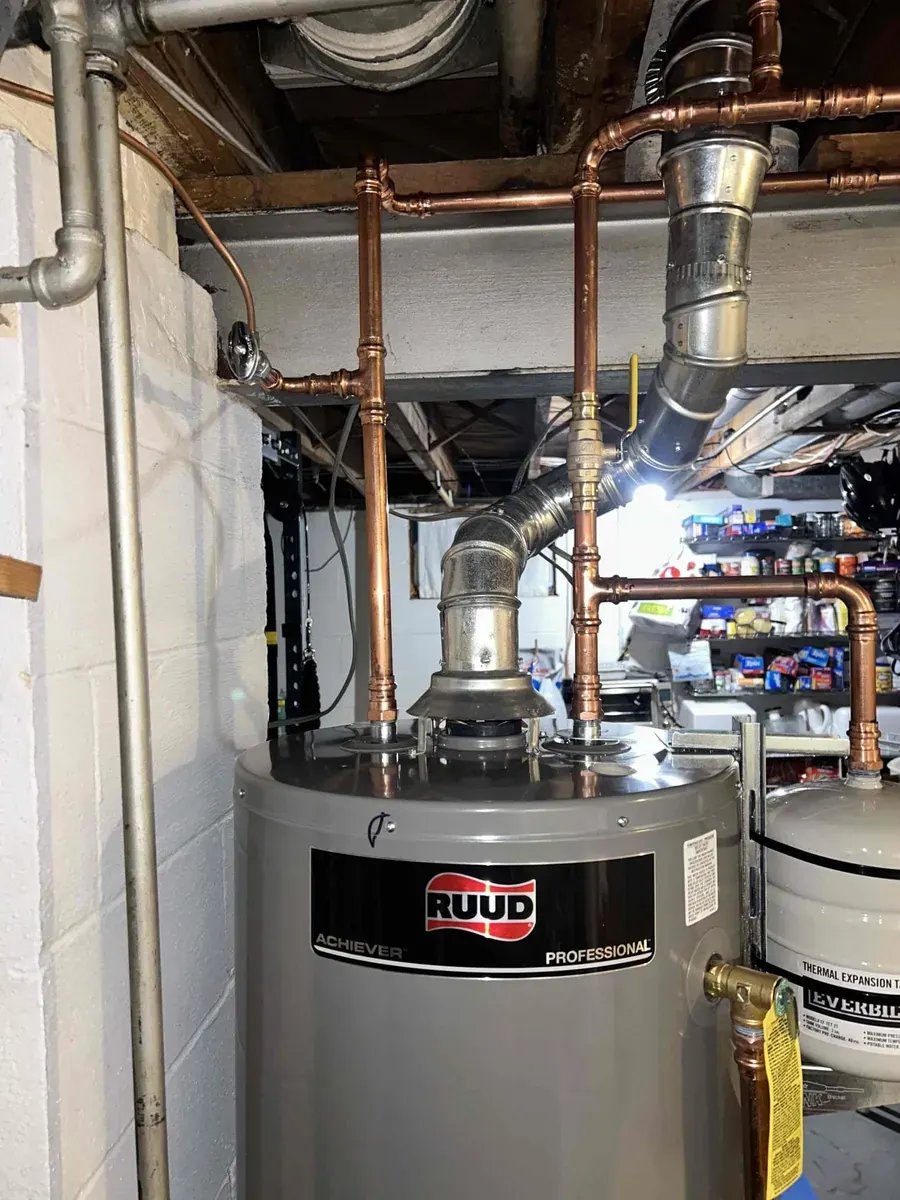
Water Heater Installation: What Drives the Decision
Six factors that affect scope, cost, and timeline on any Columbus installation.
Age of Existing Unit
Most tank water heaters last 7 to 10 years. If yours is past that range and you're calling for a repair, replacement is usually the better investment.
Household Hot Water Demand
A two-person household and a family of five with three bathrooms don't need the same unit. Getting the sizing right on the front end prevents the frustration of running cold before the morning routine is done.
Panel and Gas Line Capacity
Electric tankless units especially can require significant electrical upgrades. We check capacity before recommending anything that would require additional work to support.
Fuel Source and Venting
Switching from electric to gas -- or adding a tankless gas unit -- means new gas line work and proper venting. That affects both scope and timeline.
Access and Location
A heater in a finished basement with a tight clearance is more involved than one in an open utility room. Access affects labor time directly.
Columbus Water Quality
Mineral content in Columbus water contributes to sediment buildup. Units installed with a whole-home water treatment system generally last longer and require less maintenance.