The Real Cost of DIY Electrical Work
Some jobs are fine for a handy homeowner, others carry risks that aren't worth the savings.
“Austin was very knowledgeable and explained all of my electrical issues to me in terms someone who isn’t an electrician can understand, which makes a world of difference. …”
What DIY electrical work actually costs you
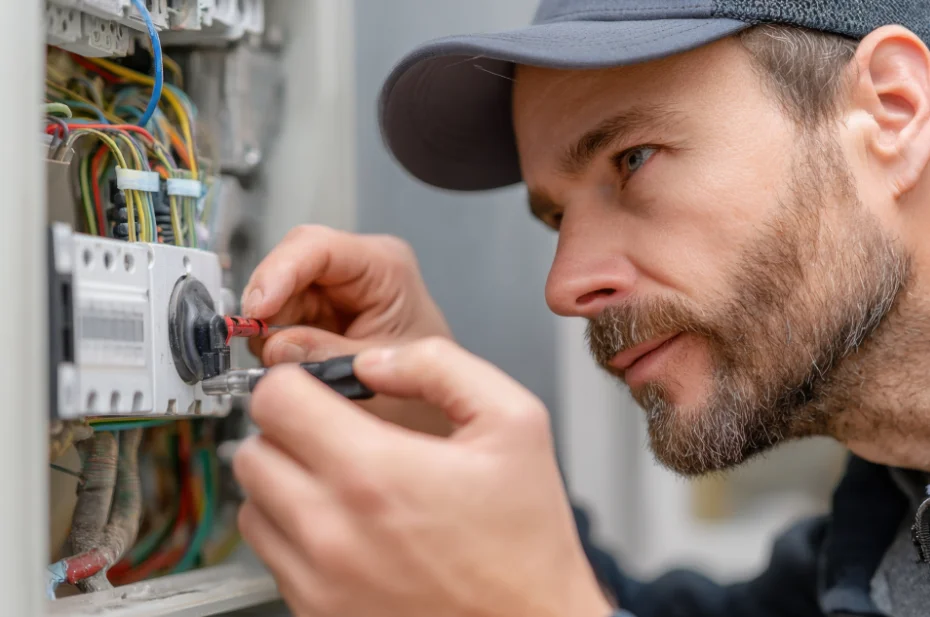
If you need electrical work done at home, you may be tempted to handle it yourself. That's understandable. Some jobs, swapping a light switch, replacing an outlet cover, changing a fixture, are genuinely within reach for a careful homeowner. But a lot of electrical projects aren't as straightforward as they look on a YouTube tutorial, and the gap between "I think I got it" and "the inspector failed it" can be expensive to close.
Here's what to weigh before you pick up a voltage tester and start pulling wire.

Written by
Matt Wehrle · Owner, Safe Electric & Plumbing & Plumbing
Electrical work carries real physical danger
A miswired outlet doesn't always trip a breaker, sometimes it just waits.
Code violations are expensive to undo
Work done without a permit can halt a home sale and void your homeowner's policy.
Specialized tools and materials matter
The right wire gauge and connector type aren't optional. They're code.
Check your homeowner's policy before you start
Shock and electrocution
Even de-energized circuits can hold residual charge. Misidentifying a live wire is the most common DIY electrical injury.
Fire from miswiring
Loose connections and wrong wire gauges can arc inside walls for months before causing a fire. The problem hides until it doesn't.
Failed inspections
Work that doesn't meet current NEC code requires tear-out and redo. You pay for the original job and the correction.
Insurance claim denial
Unpermitted electrical work can void coverage for related damage. Confirm your policy details before you pick up a wire stripper.
Home sale complications
Unpermitted work appears on inspection reports. Buyers and their lenders often require corrections before closing, at the seller's cost.
Cost of undoing mistakes
A wiring error that requires an electrician to diagnose and correct often costs more than hiring one for the original job.
When a pro is the right call
Recent articles from the Safe Electric & Plumbing blog
Water Heater Services: A Complete Guide 2026
What to know about repair, replacement, and maintenance, and when each one makes more sense than the other.
What to Expect from an Electrical Inspection
A walkthrough of the inspection process: what an inspector looks for, what triggers a re-inspection, and how to prepare.
Water Filtration Installation: A Comprehensive Guide
Whole-home vs. point-of-use systems, what the installation involves, and which homes benefit most.
Why You Need a Plumber for Low Water Pressure
Low pressure has multiple causes. Some are quick fixes; others point to a bigger issue in the supply line.
How to Clean Shower Drains and When to Call a Plumber
Clearing a slow drain yourself is fine. Here's how to tell when the clog is deeper than a drain snake can reach.