
Mon–Sun: 12 AM–11:30 PM Serving Columbus since 1994

Arc Fault Breakers Prevent Electrical Fires

Arc faults cause most home electrical fires, the right breaker stops them before they start.
Arc Fault Breakers Prevent Electrical Fires

Get in touch

Call, text, or schedule online

★★★★★
“Chad and his assistant were amazing. Very friendly guys that kept me updated on progress along the way.”
Steve C. · Google review

How Arc Faults Start Electrical Fires

The U.S. Fire Administration reports that between 2017 and 2019, electrical residential fires caused nearly 25,000 fires each year, resulting in thousands of deaths and injuries and more than $1 billion in property loss. A 2022 National Fire Protection Association report put that in sharper focus: 46,700 home fires involving electrical failure or malfunction occurred between 2015 and 2019, and 63% of them were caused by arcing.

Arc fault circuit interrupters, AFCIs, exist specifically to catch that threat. The Consumer Product Safety Commission estimates AFCIs could reduce more than 50% of electrical fires annually. If your Columbus-area home doesn't have them, here's what you need to know.

Matt Wehrle

Written by

Matt Wehrle · Owner, Safe Electric & Plumbing & Plumbing

What Arcing Actually Is

An arc fault occurs when electrical current takes an unintended path through the wiring. That rerouted current creates an intense heat point that can reach temperatures as high as 10,000 degrees Fahrenheit, hot enough to ignite insulation, framing, and wall materials instantly. It's why victims of electrical fires often report that the fire appeared to start inside the walls, with no visible flame until the damage was already done. Arcing happens when wiring or devices become damaged, overheated, or physically stressed. Common causes include nails or screws driven through walls that nick a wire, furniture pressed against cords long-term, aging wiring with cracked insulation, and loose connections at outlets or switches. None of these are visible from the outside, and a standard circuit breaker won't trip. It's only designed to respond to overloads and short circuits, not the lower-level arc that's quietly building heat inside your wall.

What AFCI Protection Does

An AFCI breaker monitors the electrical signature on the circuit and shuts it down the moment it detects dangerous arcing, before any fire starts.

Continuous Monitoring

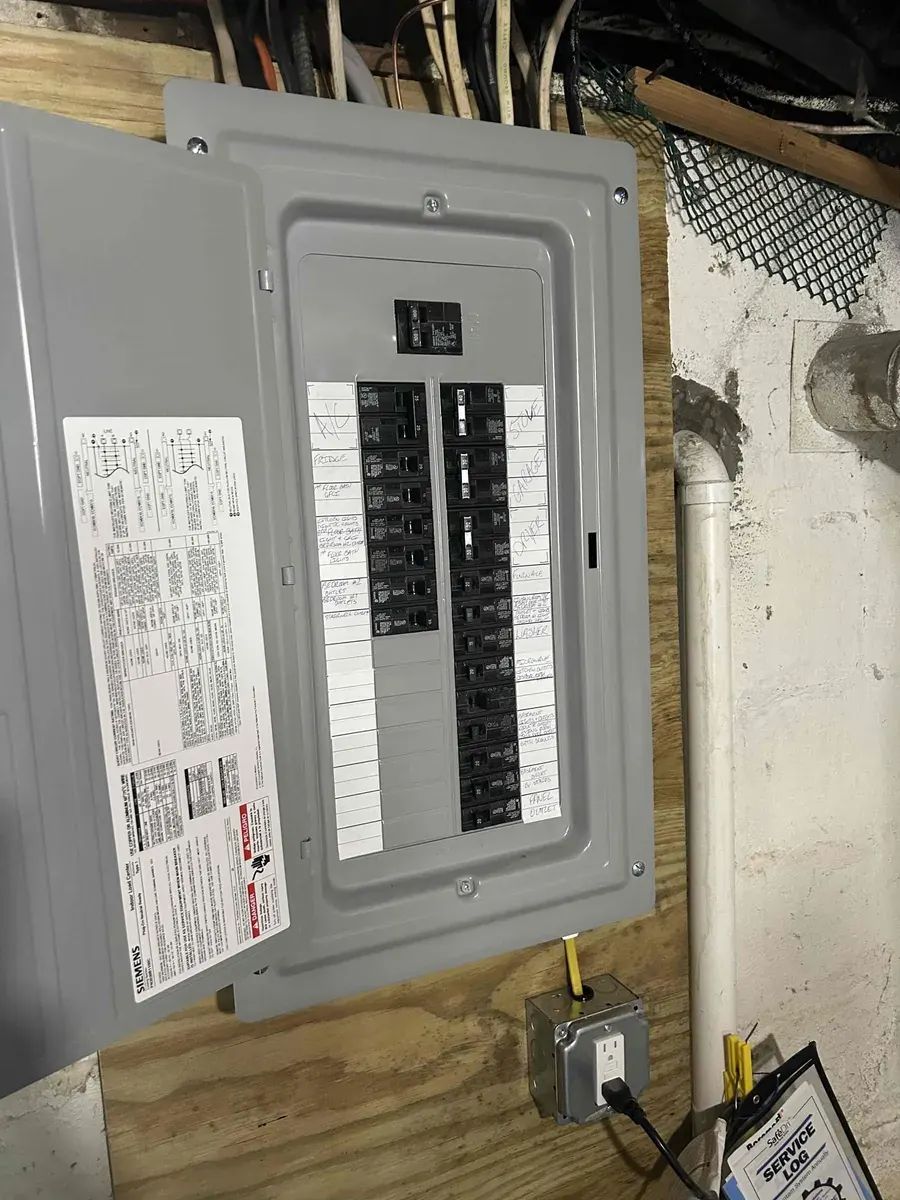
Unlike a standard breaker, an AFCI reads the electrical waveform on the circuit constantly. It distinguishes between normal current signatures and the irregular pattern that indicates an arc fault.

Instant Shutoff

When the AFCI detects a dangerous arc, it opens the circuit in a fraction of a second, far faster than heat can build to ignition. A standard breaker would not respond to the same event.

Breaker Panel or Outlet Form

AFCIs are available as combination breakers installed at the panel or as AFCI outlets. The right choice depends on your panel type, home age, and which rooms need coverage. A qualified electrician can assess both.

Where the 2020 NEC Requires AFCIs

The 2020 National Electric Code® (NEC) requires AFCI protection in a broader range of living spaces than earlier editions. If you're doing a renovation, adding circuits, or updating your electrical panel, your electrician is required to bring the affected circuits into compliance. The following rooms require AFCI protection under the 2020 NEC:
  • Bedrooms
  • Closets
  • Kitchens
  • Laundry areas
  • Living rooms
  • Family rooms
  • Recreation rooms
  • Parlors, libraries, and dens

AFCI and Your Home Fire Safety Plan
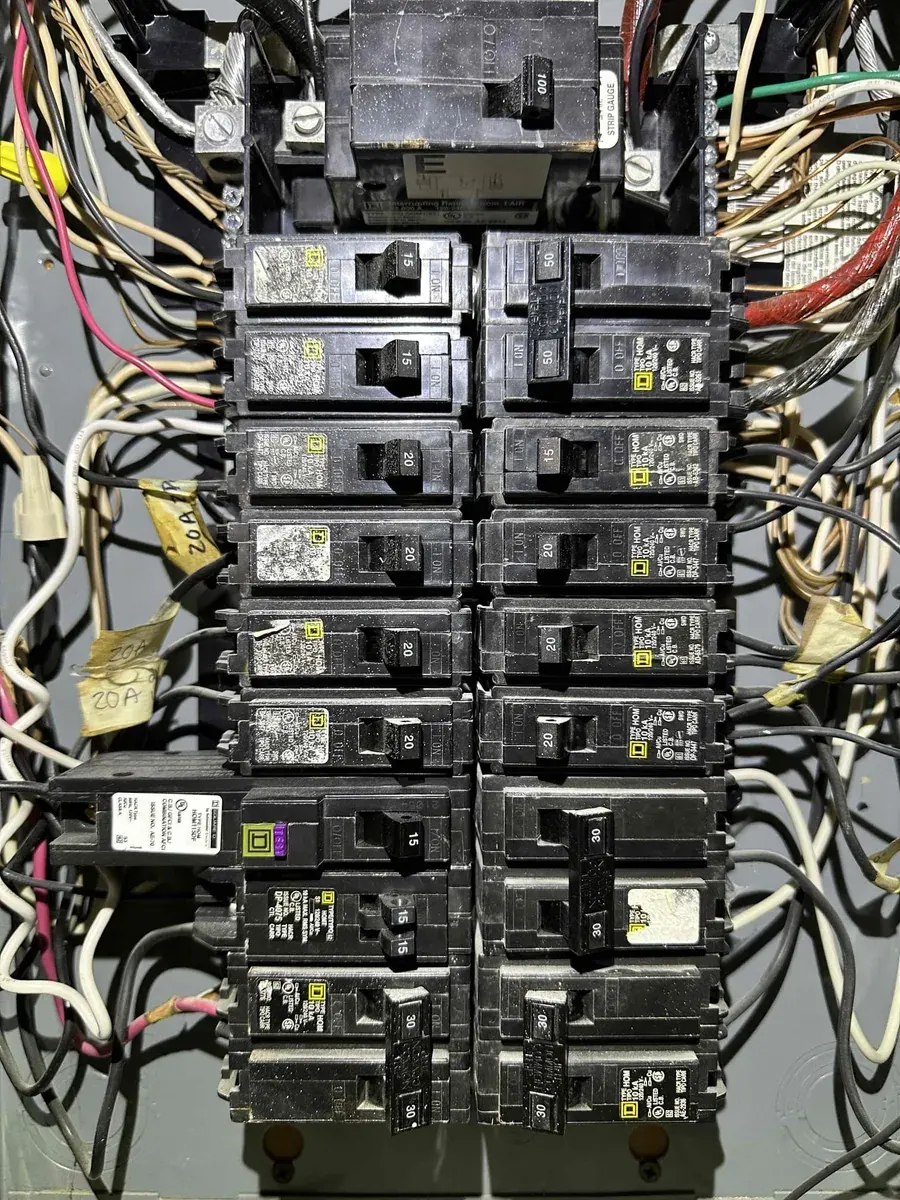
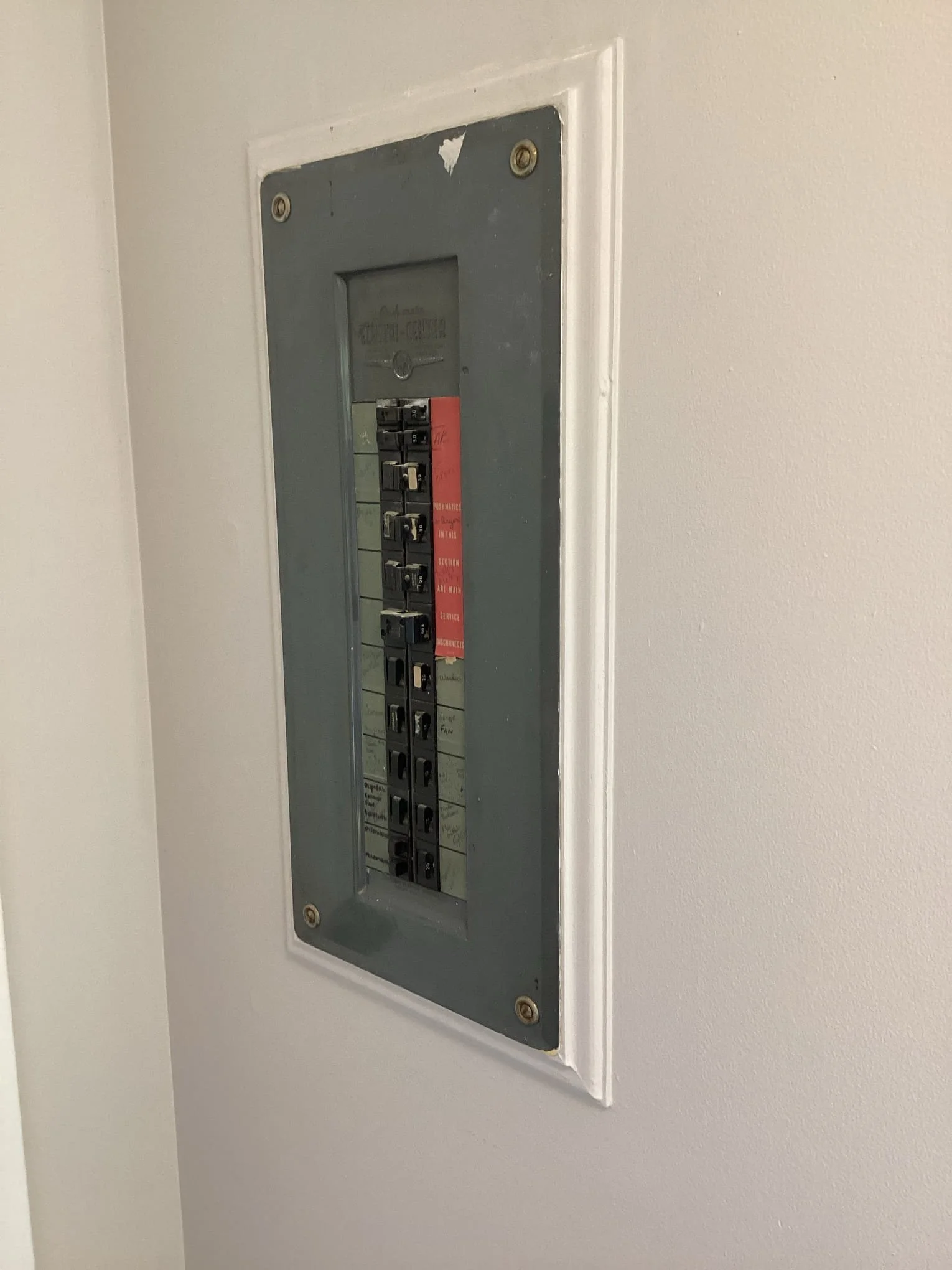
AFCIs are a critical layer of protection, but they work best as part of a complete home fire safety plan. That plan should also include working smoke detectors on every floor, a fire extinguisher in the kitchen, and a practiced escape route for every household member. If your home was built before AFCIs became code, or before the 2020 NEC expanded the required locations, your existing circuits may have none at all. Older Columbus homes, particularly those built before 2002 when AFCIs first appeared in the NEC for bedrooms, are the most likely candidates for an upgrade. An electrical inspection can identify exactly which circuits lack AFCI protection and what it would take to bring your home current. For a broader look at your home's electrical safety, our article on understanding your electrical panel covers panel types and what to watch for as systems age.
breaker panel or outlet form work, illustration in Columbus, OH

Professional AFCI Installation in Central Ohio

AFCI breakers must be matched to your panel's make and model and installed correctly to work as designed. An improperly installed AFCI can nuisance-trip on normal appliances or, worse, fail to trip when a real arc fault occurs. This is not a DIY project. Safe Electric & Plumbing has been handling electrical work across Central Ohio since 1994. Our electricians know Columbus housing stock, from the older Clintonville bungalows with knob-and-tube remnants to the newer builds in Westerville and New Albany. If you want to know whether your home has AFCI coverage where it matters, call us at (614) 267-4111. We'll walk through what you have, what the code requires, and what makes sense for your specific home.

Call (614) 267-4111
continuous monitoring work, illustration in Columbus, OH

Questions About Arc Fault Protection

Not on the list?(614) 267-4111Mon–Sun: 12 AM–11:30 PM
Do I need AFCIs if my home already has GFCIs?
Yes. GFCI outlets protect against shock from ground faults. A completely different hazard. They do not detect arc faults and will not prevent the type of electrical fire that AFCIs are designed to stop. Many rooms require both.
Can I add AFCIs without replacing my whole panel?
In most cases, yes. AFCI breakers can be installed circuit by circuit at the existing panel, provided your panel accepts compatible AFCI breakers. Some older or recalled panel brands are the exception. An electrician can confirm compatibility during a visit.
My house was built in 2005: does it have AFCI protection?
It may have AFCI protection in bedrooms, which became code in 2002, but likely not in kitchens, laundry rooms, or living areas. Those weren't added to NEC requirements until later code cycles. The only way to know for certain is to check the breaker panel or have an electrician verify.
Will an AFCI breaker trip on normal household appliances?
Quality AFCI breakers are designed to distinguish between the normal electrical signature of motors and appliances and the irregular signature of a dangerous arc. Nuisance tripping is more common with older or lower-grade AFCIs. If a properly installed AFCI trips repeatedly on a specific circuit, that's often a sign there's a real wiring issue worth investigating, not a reason to bypass the breaker.