Electrical Grounding and Bonding in Columbus
Protecting your home from shock, fire, and surge damage starts at the ground.
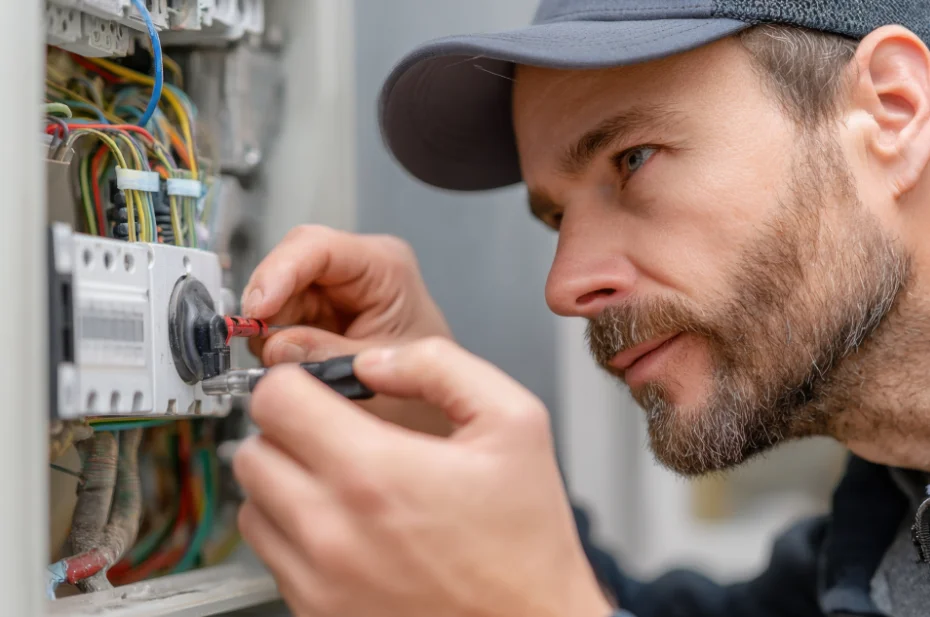
“Austin was very knowledgeable and explained all of my electrical issues to me in terms someone who isn’t an electrician can understand, which makes a world of difference. …”
Grounding and Bonding Columbus Homes Safely
Electrical grounding and bonding in Columbus homes is one of those things nobody thinks about until something goes wrong. Safe Electric & Plumbing has been diagnosing and correcting grounding deficiencies across Central Ohio since 1994, and we can tell you honestly: an improper grounding system is the kind of silent hazard that won't announce itself until you've got a damaged appliance, a failed inspection, or worse. If you suspect your grounding is off, or you've never had it checked, call us at (614) 267-4111 and we'll take a look.
Grounding and bonding are related but not the same thing. Grounding gives fault current a safe path back to the earth, protecting your home's wiring and your family from shock. Bonding connects metal parts of your electrical system to each other, equalizing voltage so no single component becomes energized relative to another. Both are required by the National Electrical Code, and both are commonly deficient in older Columbus-area homes built before 1980. A house in Clintonville or Franklinton with original wiring may have two-prong ungrounded outlets, missing grounding electrode conductors, or CSST gas lines that were never bonded after installation. Correcting these issues requires a proper inspection and, in most cases, a permitted repair. Cost depends on what we find: a simple grounding electrode conductor add is a different scope than retrofitting grounding to an entire branch circuit system. Every job is different. Contact Safe Electric & Plumbing for an accurate estimate.
Grounding vs. Bonding: What Each One Does
They're related, but mixing them up leads to incomplete repairs.
Electrical Grounding
Grounding connects your electrical system to the earth through a grounding electrode, typically a copper rod driven into the soil near your foundation. When a fault occurs, current flows to ground instead of through a person or through wiring that can overheat. Without it, a single wiring failure can energize metal surfaces throughout the home.
Electrical Bonding
Bonding ties metal components together so they share the same voltage potential. Gas pipes, water lines, ductwork, and structural steel are all candidates. If two metal systems sit at different voltages, the gap between them becomes a shock hazard. Bonding eliminates that gap. It's why CSST flexible gas lines require a direct bonding connection under current NEC standards.
Why You Need Both
A grounded panel that isn't properly bonded still leaves hazards at appliances and gas equipment. A bonded system without adequate grounding can't safely dissipate fault current. The two work together, and a house that only has half the equation checked off isn't actually safe. Our inspections verify both, not one or the other.
NEC Compliance in Ohio
Ohio follows the National Electrical Code, and Franklin County enforces it through the local building department. Grounding electrode systems, bonding of gas piping, and equipotential bonding in bathrooms all have specific requirements. Older homes frequently don't meet current code, and a real estate transaction or insurance renewal can trigger a required upgrade. We know what inspectors look for.
Common Grounding Problems We Find in Central Ohio
Older neighborhoods and newer CSST installations each come with their own risk profile.
Our Grounding and Bonding Inspection Process
Every visit starts with a straight answer about what we find, before any work gets authorized.
Full System Evaluation
We start at the panel and work outward. We check the grounding electrode conductor, verify the grounding electrode connection at the rod or water pipe, and confirm the neutral-to-ground bond at the service entrance. We also identify whether branch circuits are grounded at each outlet location.
Gas Line and Metallic System Bonding Check
We inspect CSST gas lines, metal water piping, and any other metallic systems for proper bonding continuity back to the electrical system. If your home has CSST and no bonding conductor is visible at the gas line entry point, that's a repair that shouldn't wait. We also check bathroom and kitchen equipotential bonding where required.
Up-Front Findings and Pricing
We don't start work without walking you through what we found and what it costs to fix. That's how we've operated since 1994. You get a clear explanation in plain language, not electrical jargon, and a written price before we pick up a tool. Our technicians are background-checked and drug-tested. The price we quote is the price you pay.
Why This Work Requires a Qualified Electrician
Surge Protection Pairs With Proper Grounding
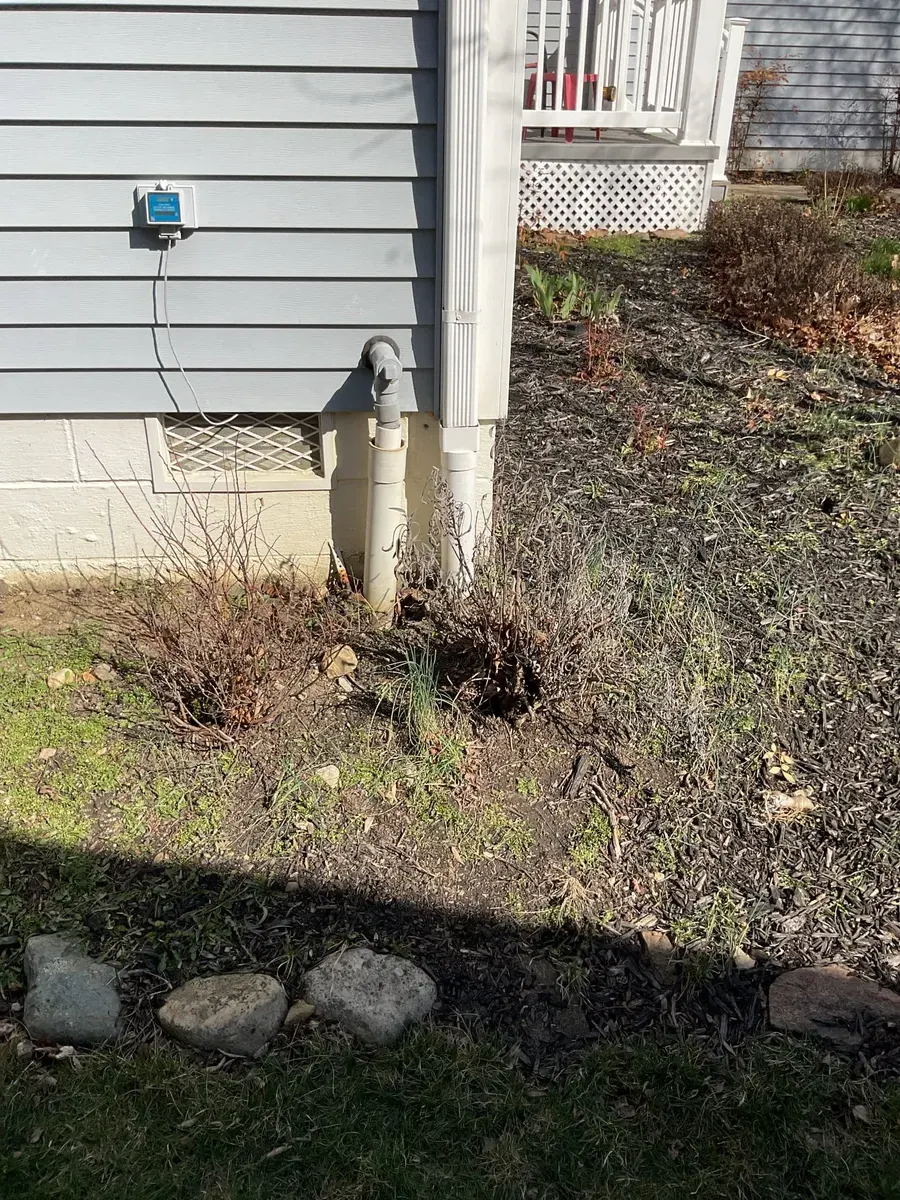
A whole-home surge protector is only as effective as the grounding system behind it. If your grounding electrode conductor is corroded or your panel bond is loose, surge energy has nowhere to go safely. We frequently combine grounding corrections with whole-home surge protection installation so both systems work together. Ask us about it when you call.
Call (614) 267-4111
Grounding and Bonding: Common Questions
What is the difference between grounding and bonding in a home electrical system?
What happens if a wire isn't grounded in my Columbus home?
Does my CSST gas line need to be bonded, and how do I know if it was done correctly?
What are the NEC requirements for grounding in an Ohio residential home?
How do I know if my home's grounding system is actually working?
What happens if my home fails a grounding inspection during a real estate sale?
What are the NEC grounding requirements for Ohio homes?
What happens if my home fails a grounding inspection during a real estate sale in Columbus?
Is neutral bonded to ground in a residential panel, and does that matter?
Grounding and Bonding Service Across Central Ohio
Safe Electric & Plumbing serves Columbus and the surrounding communities from our location at 3208 Morse Rd. We're in Westerville, Gahanna, New Albany, and Reynoldsburg regularly. We work in Worthington, Dublin, Powell, and Lewis Center. We cover Pickerington, Canal Winchester, Hilliard, Grove City, and Upper Arlington. If you're in the Columbus metro and your grounding hasn't been inspected, we can get out to you.
Our shop
3208 Morse Rd, Columbus, OH 43231
Mon–Sun: 12 AM–11:30 PM
Locations we serve 18
- ColumbusHQ
- Westerville
- Gahanna
- New Albany
- Reynoldsburg
- Worthington
- Dublin
- Powell
- Lewis Center
- Pickerington
- Canal Winchester
- Hilliard
- Grove City
- Upper Arlington
- Clintonville
- German Village
- Short North
- Pataskala
Not on the list? If you're in Central Ohio, we can get to you.
Call (614) 267-4111Related
- Electrical Services in German Village
- Electrical Services in Lewis Center
- Electrical Services in New Albany
- Electrical Services in Minerva Park
- Electrical Services in Canal Winchester
- Electrical Services in Upper Arlington
- Electrical Service Upgrade
- Smoke Detector Installation
- Westerville Oh Area
- Whitehall Plumbing Services Area