
Electrical Troubleshooting in Columbus
Root-cause diagnostics from a Columbus team with 32 years of experience and 2,962 Google reviews.
“Austin Christopher was amazing and fixed a major power issue in our ancient house. …”
Columbus Electrical Troubleshooting That Finds the Real Problem
Electrical troubleshooting in Columbus is what Safe Electric & Plumbing has built its reputation on since 1994. When something goes wrong with your home's electrical system, the visible symptom is rarely the whole story. A tripping breaker might trace back to a faulty outlet on the same circuit. Flickering lights in one room might point to a loose neutral connection at the panel. Our electrical services team starts every call with a thorough inspection and diagnostic process, not a guess, because a wrong diagnosis means the problem comes back. Call (614) 267-4111 and we'll get to the bottom of it.
Troubleshooting an electrical problem in a Columbus home is never one-size-fits-all. A century-old brick colonial in German Village carries a completely different set of challenges than a 2010 New Albany build. Older homes may still have knob-and-tube wiring, fuse boxes that are no longer up to Ohio Electrical code, or undersized circuits that can't handle today's appliance loads. Newer construction has its own failure points: arc fault breakers, also called arc fault circuit interrupters, that trip frequently, or GFCI outlets wired incorrectly. What drives the scope of any troubleshooting visit is what we actually find, not a flat-rate assumption. Every job is different, contact Safe Electric & Plumbing for an accurate estimate.
What Our Electricians Check During Every Diagnostic Visit
Troubleshooting means investigating all of these, not just the obvious one.
Electrical Panel
The panel is where most electrical problems originate or show up first. We inspect breakers, bus bars, wiring connections, and overall panel condition. If your home still has a fuse box, we'll tell you plainly: it's obsolete, not code-compliant in Ohio, and a fire hazard. Parts aren't available, and working on one safely is nearly impossible.
Branch Circuit Wiring
Your home has hundreds of feet of wire running through walls, attics, and crawl spaces. Each circuit is its own potential failure point. We trace problem circuits back to their origin, checking for damaged insulation, loose connections, improper splices, and signs of heat damage that indicate an overloaded wire.
Outlets and Switches
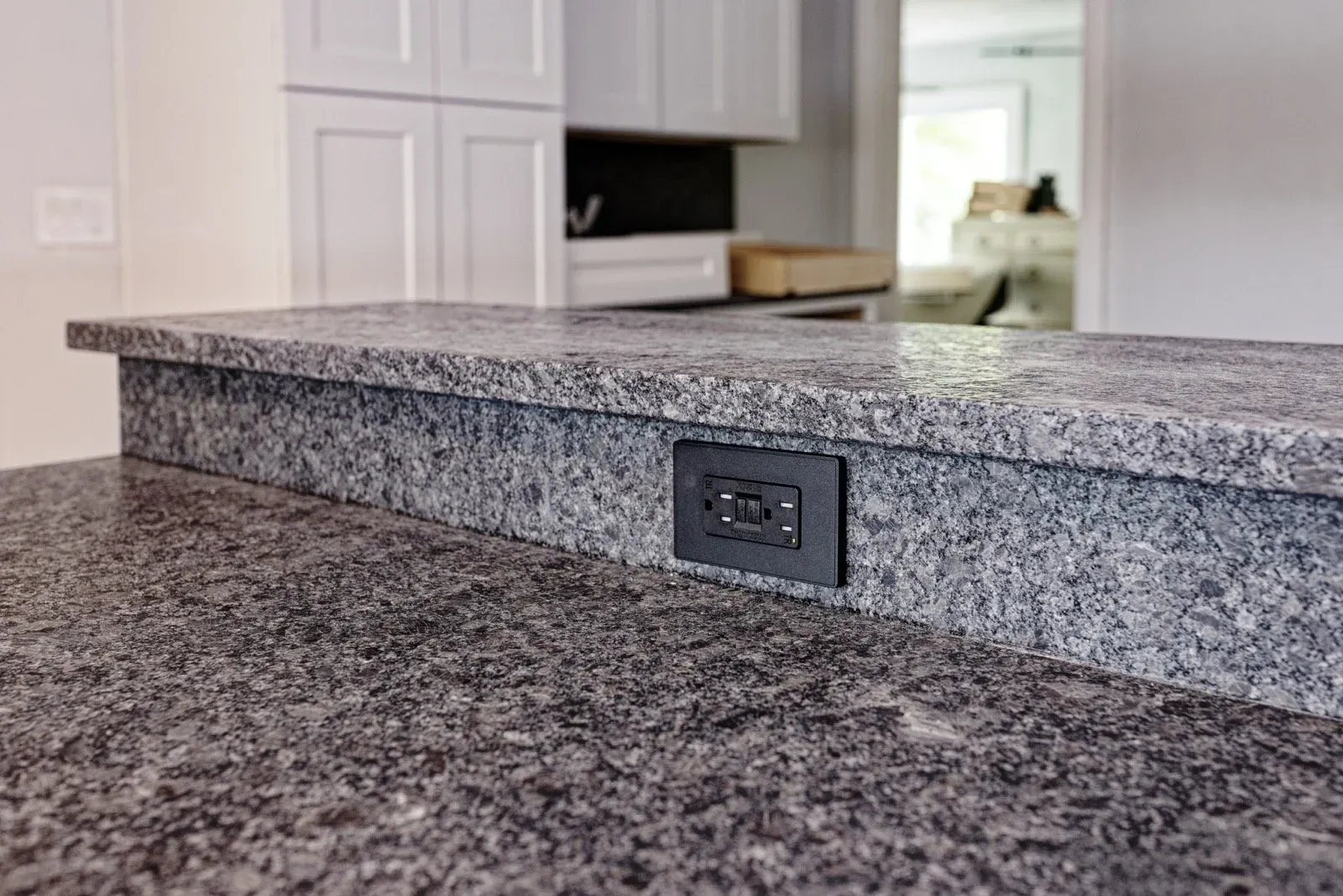
A dead outlet isn't always a dead outlet. Sometimes a tripped GFCI two rooms away is the real culprit. We test every outlet and switch in the affected area, check for backstabbed connections (one of the most common causes of intermittent outlet failures), and verify proper grounding.
Arc Fault Breakers
Arc fault circuit interrupters are designed to detect dangerous arcing before it becomes a fire. But they also nuisance-trip when they're wired incorrectly or when certain appliances create harmless electrical noise. We distinguish between a breaker doing its job and a breaker that needs replacement.
Grounding and Bonding
Grounding problems rarely announce themselves with a dramatic symptom. You might notice mild shocks from appliances, equipment malfunctions, or flickering lights on circuits that otherwise test fine. We check grounding at the panel and throughout the affected circuits to make sure your system has a safe fault path.
Electric Meter and Service Entrance
Sometimes the issue isn't in your home at all. A failing meter, a damaged service entrance cable, or a loose connection at the weatherhead can mimic dozens of different internal problems. We check the service entrance as part of every full diagnostic to rule it out before digging deeper.
Why Older Columbus Homes Need a Different Approach
Our Troubleshooting Process, Start to Finish
Thorough Inspection First
We start with a visual inspection of your panel, visible wiring, outlets, and switches in the affected area. No assumptions. We're looking for anything that doesn't look right before we start testing.
Systematic Testing to Find the Root Cause
We use diagnostic equipment to test circuits, check voltage levels, verify grounding, and isolate the fault. The goal is to find what's actually causing the problem, not just the symptom that brought you to call us.
Straight Talk on What We Found
Once we know the root cause, we walk you through it in plain terms. We explain what's wrong, why it happened, what the repair involves, and what happens if it's left alone. We won't start any work without your sign-off.
When Troubleshooting Points to a Bigger Fix
32 Years Diagnosing Columbus Electrical Problems
4.9 stars. 2,962 Google reviews. BBB accredited. Call Matt's team now.
Call (614) 267-4111
What Columbus Homeowners Say About Our Electrical Work
- ★★★★★
Quay came back today to work with the city on replacing our shut off valve. He was just as professional today as he was earlier this week.
Jackie RishOct 2026 · Google
- ★★★★★
Jeremy was my technician.My house had got hit by lightning, and I had a power surge. He took his time went through the whole house went through the breaker box wrote up an extensive letter to the insurance company. Very, very pleased that he did not act like he was in a hurry. Explained everything a couple times to me to make sure I understood. Highly recommend recommended
Cynthia SchmittOct 2026 · Google
- ★★★★★
Tyson was the best!He was on time and took his time to make sure everything was correct and to explain everything to me. He also cleaned up at the end and was very friendly . I would definitely request Tyson again. Thank you !
Allison VaiaOct 2026 · Google
- ★★★★★
Safe Electric & Plumbing was very thorough when trouble shooting our electric issue. Tom Kelly explained the issue and had the right fix for it.
Janice ConwayOct 2026 · Google
- ★★★★★
Excellent experience.Not only was Jack professional and courteous, he possesses indepth knowledge and experience. He thoroughly explained my entire system, and the upgrades required for the system to function (safely & efficiently) at peak performance. Jack is an Outstanding representative and asset to Safe Electric & Plumbing and Plumbing. In consideration for my financial limitations, (and system priorities) Jack consulted with his colleague (Eric) to offer a partial upgrade package to fit within my budget. Their willingness to accommodate my needs is refreshing and highly commendable. This demonstrates a dedication to customer satisfaction which encourages confidence in their integrity. I look forward to contacting Safe Electric & Plumbing again in the near future to complete the rest of my system upgrade. I highly recommend Safe Electric & Plumbing.
Rhonda DownsOct 2026 · Google
- ★★★★★
Austin was very knowledgeable and explained all of my electrical issues to me in terms someone who isn’t an electrician can understand, which makes a world of difference. He took the time to thoroughly check everything in my home and make recommendations based off of actually taking the time to check every single detail. Thanks for everything Austin!!
Donna HuvlerOct 2026 · Google
- ★★★★★
Cameron Rung, plumber, was called out on short notice by another Safe employee, Brendon Cox, electrician, to give a sump pump replacement quote. Cameron arrived promptly, gave a quote which we agreed to, and had the new sump pump installed in less than 2 hours. He was knowlegeable, polite and efficient.
Chris RevealOct 2026 · Google
- ★★★★★
Chad and his assistant were amazing.Very friendly guys that kept me updated on progress along the way.
Steve ChildressOct 2026 · Google
- ★★★★★
Jack was fantastic.He showed up on time, explained exactly what was going on with our panel, and walked us through the options before touching anything. Clean work, no mess left behind, and he double checked everything before he left. We'll be asking for Jack by name next time.
Doug NeelOct 2026 · Google
- ★★★★★
Great experience with Safe Plumbing!They responded quickly and completed the repairs in a timely manner. The technician Quay was professional, knowledgeable, and courteous throughout the entire process. He made sure everything was working properly and left the work area clean. I really appreciate the quality service and would highly recommend them.
Rob HammondOct 2026 · Google
- ★★★★★
Had a wonderful experience with Safe Electric & Plumbing !! Great customer service and amazing technicians !! Highly recommend them and we are very happy with the work that was performed !!!
John TrikourosOct 2026 · Google
- ★★★★★
Safe electric and plumbing always gets out quickly and it is easy to find appointments. Quay was very thorough and polite and went over everything with me.
Lauren MontaineOct 2026 · Google
- ★★★★★
We had the best experience with Safe Electric & Plumbing!! Professional, polite, respectful, friendly, highly qualified and performed excellent quality work diagnosing and replacing several GFI outlets outdoors and he rebalance the electric in our family room by adding a circuit and new outlets for my office! Austin kept me apprised of the issues and the work and prices to fix them. I cannot say enough wonder things about Austin and the services! Highly recommend!
Linda Fawcett-HarrisOct 2026 · Google
- ★★★★★
Adam showed up on time- spent plenty of time explaining our options and quickly sent an estimate. A+.
Tyler WolfeOct 2026 · Google
- ★★★★★
Bryce let me know exactly what was needed and informed me what he would do!
Frank SwiatekOct 2026 · Google
- ★★★★
Service person answered all my questions.I thought the estimate was a little to high. But I'm getting estimates from other companies.
Joseph Purpura (Joey)Oct 2026 · Google
- ★★★★★
Austin Christopher was amazing and fixed a major power issue in our ancient house. Saved us a lot of money and heartache.
Kyng FrydayOct 2026 · Google
- ★★★★★
Quay was a great tech!He was so knowledgeable and friendly. He was very thorough and checked all water sources in the house for potential issues. Never pressured us to spend more than we wanted and gave us a lot of helpful information for future repairs. He fixed our leaking toilet quickly and even gave us a helpful tip for fixing our slamming screen door. He goes above and beyond and knows his stuff. We would absolutely have this company, and specifically Quay, out again. Thank you Quay!!!
Brighid EOct 2026 · Google
- ★★★★★
We woke up to a partial power outage.From my call in the early morning (which I was asked lots of good questions so the electrician would be prepared). Adam did a wonderful job, showing us some of the issues and keeping us informed each step of the way. He also followed up with AEP when they arrived. Thanks for getting us up and running quickly.
Sue DoudOct 2026 · Google
- ★★★★★
Cori was our technician and he prompt and efficient with the removal and replacement of our two four foot office ceiling light fixtures. Nice to have the lights back in working condition again since the old fluorescent fixtures were not dependable.
TimOct 2026 · Google
- ★★★★★
Excellent service and so polite!Every installation they covered with me first and checked to be sure it was accurate. I had 3 fans, 2 vanity lights, 2 dimmer switches and a dining room light changed out. Great work guys! Just had a new garbage disposal and again - work was done quickly! Safe Electric & Plumbing and Plumbing is a great choice!
Christine GriswoldOct 2026 · Google
- ★★★★★
This company is top notch!Chris and Morgan were efficient knowledgeable and customer focused! We appreciated their courtesy and keeping us informed of their progress! Answered all of our questions! This is a big job and there will be a Part 2! We would like them to do that work also!!
James RiederOct 2026 · Google