Key Components of a Whole Home Electrical Inspection
What gets checked, why it matters, and when Columbus homeowners should schedule one.
“Jeremy was my technician. My house had got hit by lightning, and I had a power surge. …”
What Electricians Look for in Your Home
Like most homeowners, you probably don't think much about your electrical system. Until something goes wrong. At that point, you're dealing with a repair that could have been caught earlier. A whole home electrical inspection changes that equation. It finds problems before they become failures.
Inspections also matter at key moments: buying or selling a home, finishing a renovation, or simply reaching the point where your home is old enough that its wiring deserves a closer look. Here's what those inspections involve, when they're required, and what you can watch for between professional visits.

Written by
Matt Wehrle · Owner, Safe Electric & Plumbing & Plumbing
When Is an Electrical Inspection Required?
Four situations where a professional inspection isn't optional. It's the right call.
Purchasing a Home
Before you close, an electrical inspection tells you exactly what you're buying. Surprises after move-in cost far more than the inspection itself.
Remodeling Your Home
Any renovation that adds circuits, moves outlets, or touches existing wiring requires an inspection to confirm the work meets National Electric Code (NEC) standards.
Home Is More Than 40 Years Old
Wiring from the 1970s and earlier wasn't designed for today's electrical loads. Older Columbus homes, particularly in Clintonville, German Village, and Hilliard, benefit most from a thorough review.
Adding a Large Appliance
A new HVAC system, electric range, or EV charger puts new demands on your panel. An inspection confirms your system can handle the load safely before it's turned on.
Three Kinds of Electrical Inspections
The Rough-In, Service, and Final Inspection
Rough-In Inspection
This happens early. Before walls are closed. The electrician checks all conduits, wires, and electrical panels and boxes to confirm proper placement and code compliance. Fire hazards are identified and corrected before they're hidden behind drywall.
Service Inspection
Here, the licensed electrician examines the main electrical panel: Is it properly installed? Is it grounded? An ungrounded panel allows electrical shock build-up, a genuine safety risk. The inspector also runs the system through a series of operational tests, checking for sliced wires, exposed wiring, reversed polarity, and similar hazards that would fail a code review.
Final Inspection
The last sign-off before a home is occupied or a renovation is closed out. The inspector confirms the entire system operates safely and efficiently, meets NEC standards, and that all earlier corrections were completed properly. No certificate of occupancy issues until this one passes.
Why Electrical Inspections Matter
Home Electrical Inspection Checklist
Light Switches and Outlets
Outlets and switches are where most homeowners first notice a problem, buzzing, warmth, or a plug that barely holds. These are the four questions our inspectors answer.
Do They Work Properly?
Every outlet and switch is tested for function. An outlet that works intermittently is not a minor annoyance. It's a loose connection waiting to arc.
Do Plugs Fit Snugly?
A loose fit means the blades aren't making solid contact. That gap generates heat. Over time, it damages the outlet and the cord.
Any Buzzing or Popping?
Sounds from switches or outlets indicate arcing or a failing connection. Neither resolves on its own. If you're hearing this, call before you wait.
Any Strange Smells?
A burning smell near an outlet or switch means insulation is heating. A rotten egg or dead animal odor can mean plastic electrical components are already burning. Don't investigate. Call.
- Do they work properly?
- Do plugs fit into outlets snugly?
- Are there any buzzing or popping sounds in switches or outlets?
- Is there a strange smell around outlets or switches?
Appliances
Between professional inspections, homeowners can check a few appliance-related items on their own. These won't replace a licensed inspection, but they catch the most common issues.
Refrigerator Coils
Debris and dust on the back of your refrigerator force the compressor to work harder and can create a fire risk at the coil. Check and clean every few months.
GFCI Outlets in Wet Areas
All appliances near water, dishwashers, washing machines, countertop appliances, should plug into GFCI-protected outlets. If yours don't, that's a code issue worth correcting.
Cord Condition
Frayed, pinched, or damaged cords are a fire risk. If the cord is compromised, the appliance shouldn't be used until the cord is replaced.
Phantom Loads
Appliances left plugged in when not in use draw power continuously. Beyond the energy cost, some older appliances present a low-level risk when left energized unattended.
- Is there debris or dust on the back of your refrigerator?
- Are all appliances plugged into GFCI outlets?
- Are there any frayed, pinched, or damaged electrical cords?
- Are appliances plugged in when not in use?
Electrical Panel
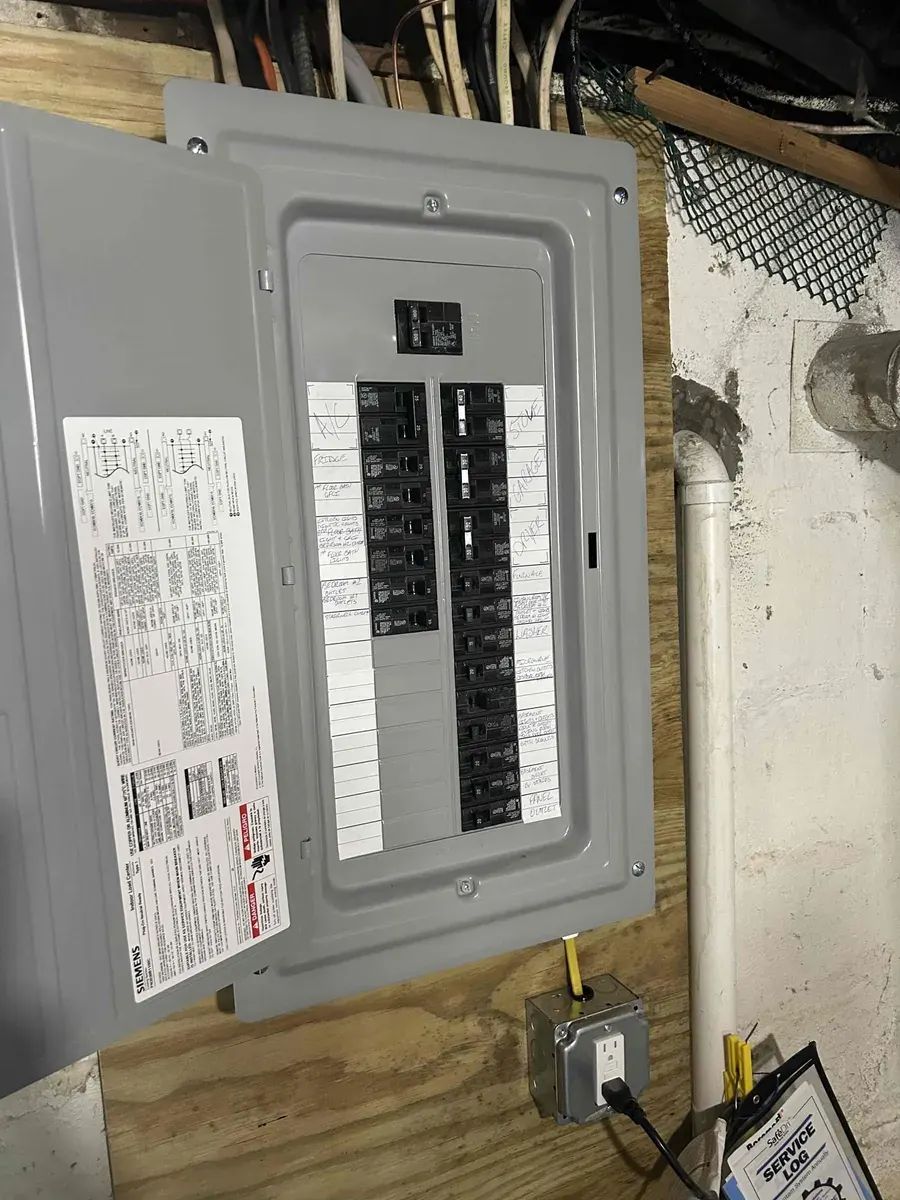
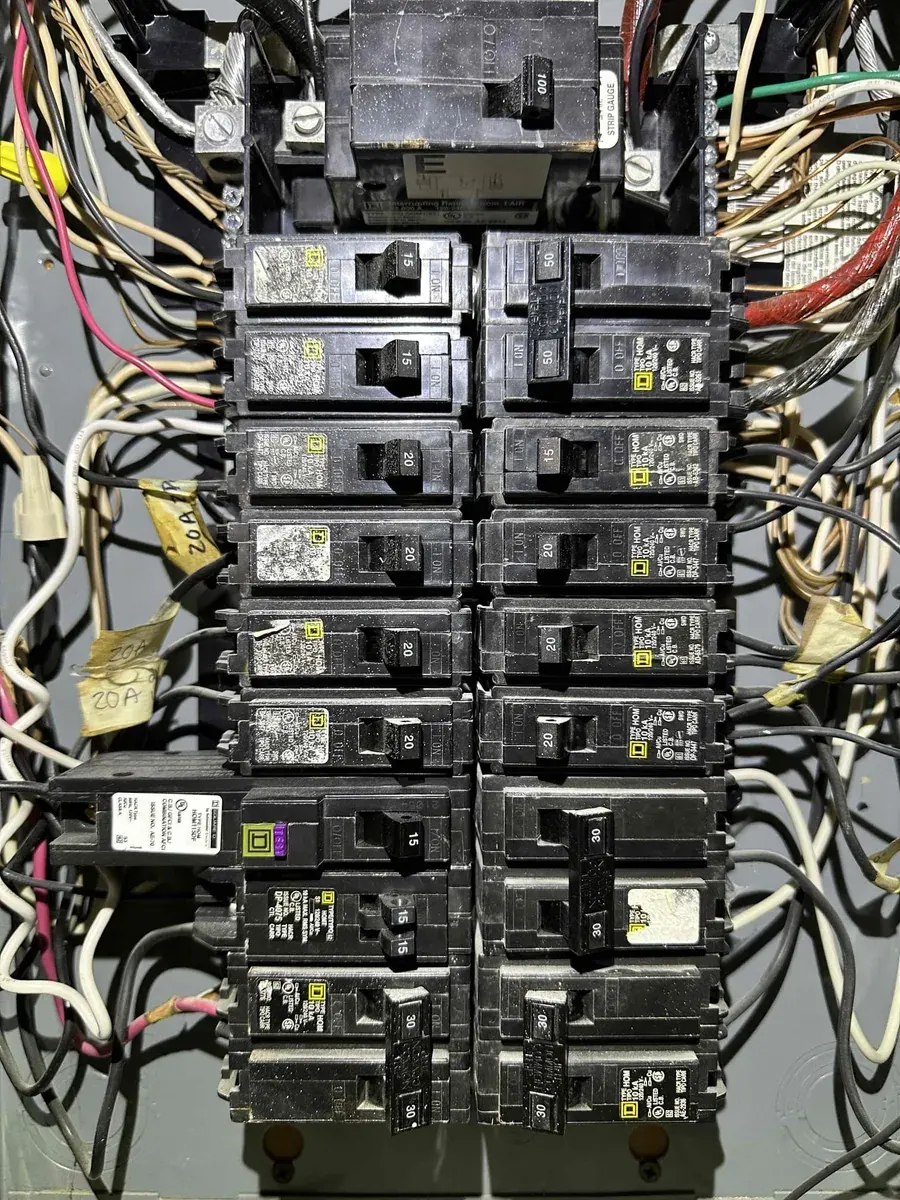
Your panel is the heart of the system. These are the panel questions every homeowner should be able to answer, and most can't without a professional look.
Last Service Date
Does your panel list when it was last serviced? If there's no record, that's the answer, and it's overdue. Panels should be professionally reviewed at least every decade.
Circuit Labeling
Are all breakers labeled clearly and accurately? Mislabeled circuits slow down every future repair and make emergency shutoffs harder.
Tripping Breakers
Breakers that trip frequently or fuses that blow often signal an overloaded circuit, or a failing breaker. Neither condition improves on its own. If you're curious about your panel's type, our article on electrical panel types explains the differences.
Amperage Ratings
Is the proper amperage indicated for each circuit? Mismatched ratings, too high for the wire gauge it protects, are a serious fire risk and a common finding in older Columbus homes.
- Does your panel list when it was last serviced?
- Are all circuit breakers labeled properly?
- Do breakers trip or blow fuses often?
- Is the proper amperage indicated for each circuit?
Schedule an Inspection with Safe Electric & Plumbing
Safe Electric & Plumbing has been inspecting Columbus-area homes since 1994. Whether you're buying a house, finishing a renovation, or just overdue for a look, our team covers every item on this list, and flags the things you didn't know to ask about. Call (614) 267-4111 to schedule.
Call (614) 267-4111