
Pool Equipment Wiring: Pumps, Heaters, and Lighting
What Central Ohio homeowners should know before adding or upgrading pool electrical equipment.
“This company is top notch! Chris and Morgan were efficient knowledgeable and customer focused! …”
How Pool Equipment Uses Electricity
Adding a swimming pool to your Central Ohio home creates a great place to spend summer, but it also introduces electrical safety considerations that go well beyond a standard household circuit. Pool pumps, heaters, lighting systems, timers, and automation controls all rely on electricity, and because water and electricity present a serious hazard when combined, every component must be installed according to the National Electrical Code (NEC), specifically Article 680, along with any local permitting requirements adopted by Ohio municipalities.
Modern pools typically rely on several electrical components working together. Each has its own voltage, grounding, bonding, conduit, and GFCI requirements, and getting any one of them wrong creates a safety risk. This article walks through how each major component is wired, what the code requires, and when to call a licensed electrician.

Written by
Matt Wehrle · Owner, Safe Electric & Plumbing & Plumbing
Electrical Components a Pool System Needs
Most residential pools draw on six distinct electrical systems, each with its own code requirements.
Pool Pumps and Filtration
The pump is the heart of the system. It runs for hours at a time, close to water, and requires a dedicated circuit with GFCI protection and proper bonding.
Electric or Gas Pool Heaters
Electric heaters and heat pumps draw significant amperage and require a dedicated 240V circuit. Even gas-powered heaters need electrical connections for ignition and controls.
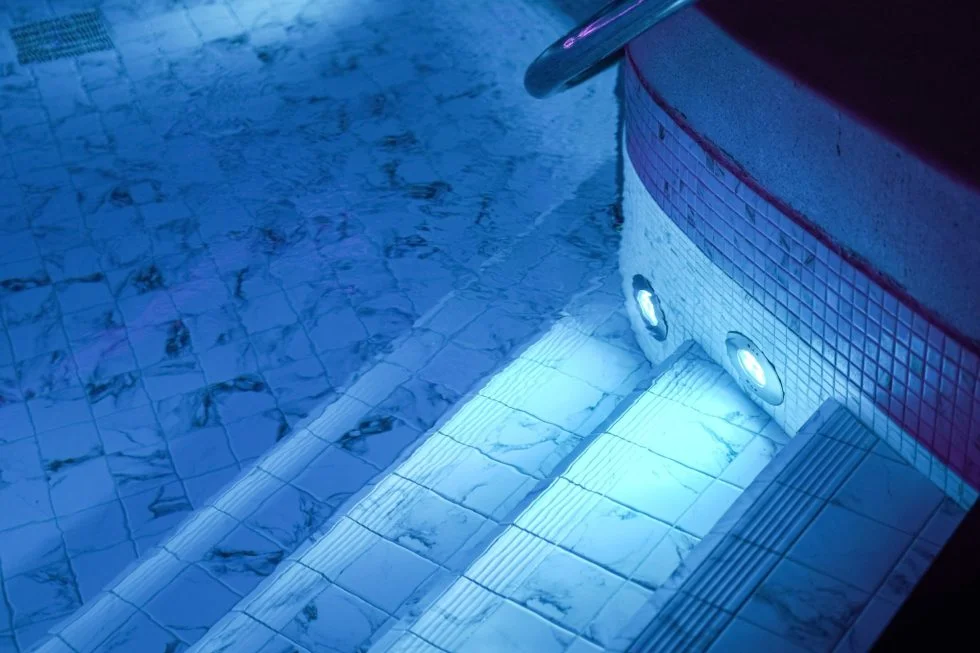
Underwater and Landscape Lighting
Submerged fixtures must be sealed and installed to exact code specifications. Low-voltage systems are common, but GFCI protection is still required regardless of voltage.
Timers and Automation Systems
Timers and automation panels control when the pump, heater, and lighting run. They must be installed with approved disconnect switches and weather-rated enclosures.
Saltwater Chlorination Systems
Salt cells generate chlorine electronically and introduce another electrical load that requires proper grounding, bonding, and circuit protection.
Pool Outlets and Accessory Equipment
Any convenience outlets near pool equipment must be GFCI-protected and installed at code-required setback distances from the water's edge.
What Pool Pump Wiring Requires
How Pool Heaters Are Wired
- Dedicated 240V circuits
- Higher amperage capacity
- GFCI protection
- Disconnect switches within sight of the equipment
Pool Lighting Safety and Wiring
- GFCI-protected circuits
- Approved conduit materials
- Bonding of metal components
- Properly sealed fixtures and connections
- Low-voltage systems in certain applications
Grounding vs. Bonding: Not the Same Thing
Pool wiring codes require both grounding and bonding, but they serve different purposes. Understanding the difference matters when inspecting or upgrading a pool system.
Grounding
Grounding gives stray electrical current a safe path to earth during a fault. It protects equipment and reduces the risk of fire or damage when a wiring failure occurs. Grounding is a fundamental requirement for all pool circuits.
Bonding
Bonding connects metal components around the pool, ladders, handrails, light fixtures, pump housings, to reduce voltage differences between them. Without bonding, a swimmer could experience a shock simply by touching two surfaces with different electrical potential. Both systems are required under pool wiring codes.
Why GFCI Protection Matters Around Pools
- Pool pumps
- Lighting circuits
- Convenience outlets near the pool
- Heaters
- Outdoor electrical equipment within the pool area
Signs Your Pool Wiring May Need Inspection
Any of these warning signs is a reason to stop using the pool and call an electrician before the next swim.
Flickering Pool Lights
Intermittent lighting usually points to a loose connection, failing fixture, or deteriorating wiring, all of which need attention before the pool is used.
Repeated Breaker Trips
A breaker that trips repeatedly on a pool circuit is telling you the circuit is overloaded or there's a fault. Resetting it without investigation does not fix the problem.
Corroded Conduit or Wiring
Moisture and seasonal temperature swings take a toll on underground and outdoor conduit. Visible corrosion or rust on conduit fittings warrants a closer look at what's inside.
Non-Functioning GFCI Outlets
A GFCI that won't reset or doesn't trip when tested is a failed safety device. It offers no protection and should be replaced promptly.
Buzzing Electrical Equipment
Audible buzzing from a pump motor, timer panel, or heater can indicate a wiring problem, loose connection, or failing component.
Visible Wire Damage or Intermittent Power Loss
Cracked insulation, exposed conductors, or equipment that cuts in and out unpredictably all point to wiring issues that need professional diagnosis.
Why Annual Pool Electrical Inspections Matter
- Bonding and grounding systems
- Electrical panels and breakers serving the pool
- Pool pump connections
- Heater wiring
- Lighting systems
- Disconnect switches
- Outdoor receptacles and conduit
Schedule a Pool Electrical Inspection in Central Ohio
Safe Electric & Plumbing has been handling electrical work for Central Ohio homeowners since 1994. Our electricians can evaluate pool pumps, heaters, lighting systems, bonding, grounding, and all associated wiring to help ensure your pool equipment operates safely through the season. If you're planning a new installation or want an existing system inspected before opening day, call us at (614) 267-4111.
Call (614) 267-4111