Top 5 Home Inspection Red Flags
What to watch for before you sign, and who to call when it matters.
“We had the best experience with Safe Electric & Plumbing!! …”
Five issues inspectors flag most often
When shopping for a new home, you'll want to make sure all systems are safe and in good working order. A home inspection is typically initiated and paid for by the prospective buyer, and it happens after the seller accepts the offer but before the contract is finalized. That window gives you real leverage. If an inspector finds structural or system problems, you can negotiate repairs, a price reduction, or in serious cases, walk away.
Two categories of issues come up more than any others: electrical and plumbing. These aren't cosmetic, they affect safety, insurability, and the cost of ownership from day one. Below are the five red flags that show up most often, what they mean, and when it's time to bring in a qualified electrician or plumber to get a closer look.

Written by
Matt Wehrle · Owner, Safe Electric & Plumbing & Plumbing
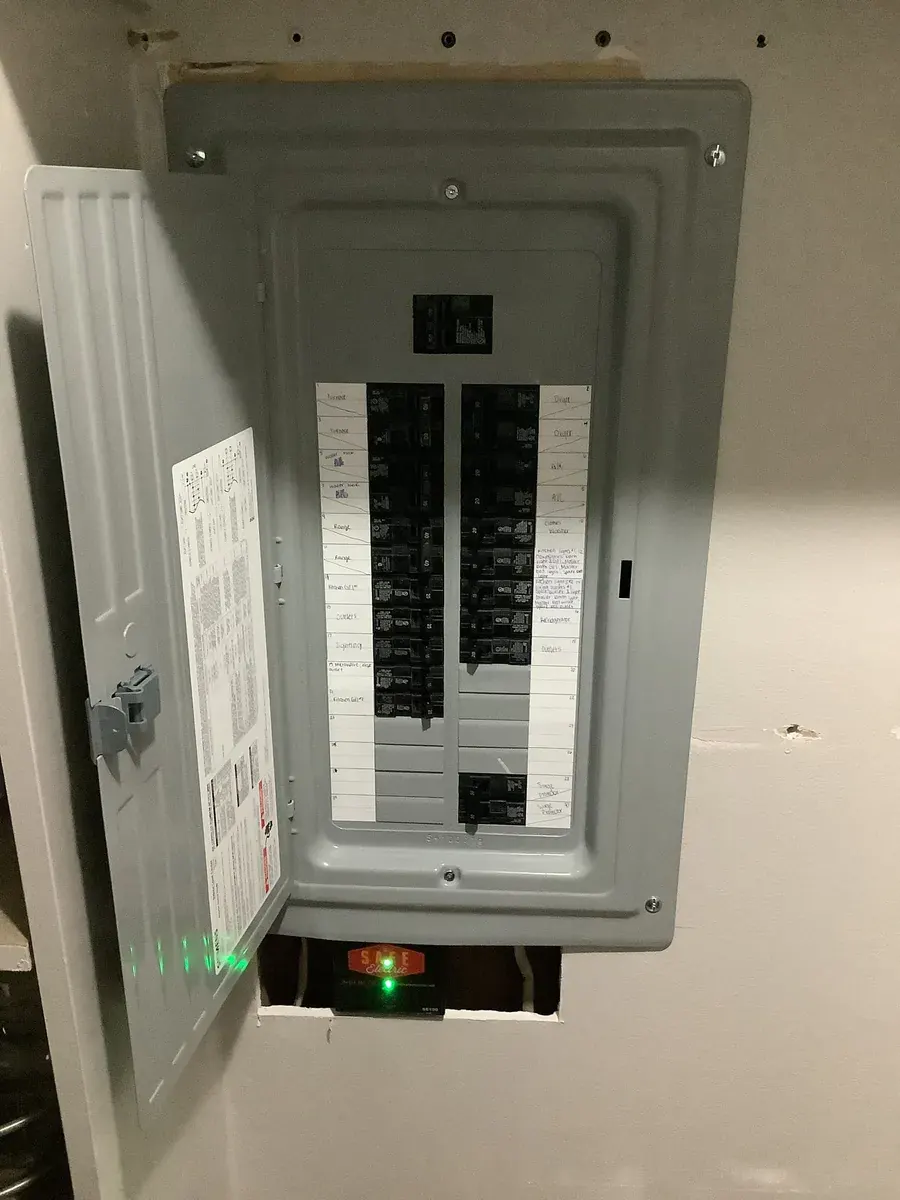
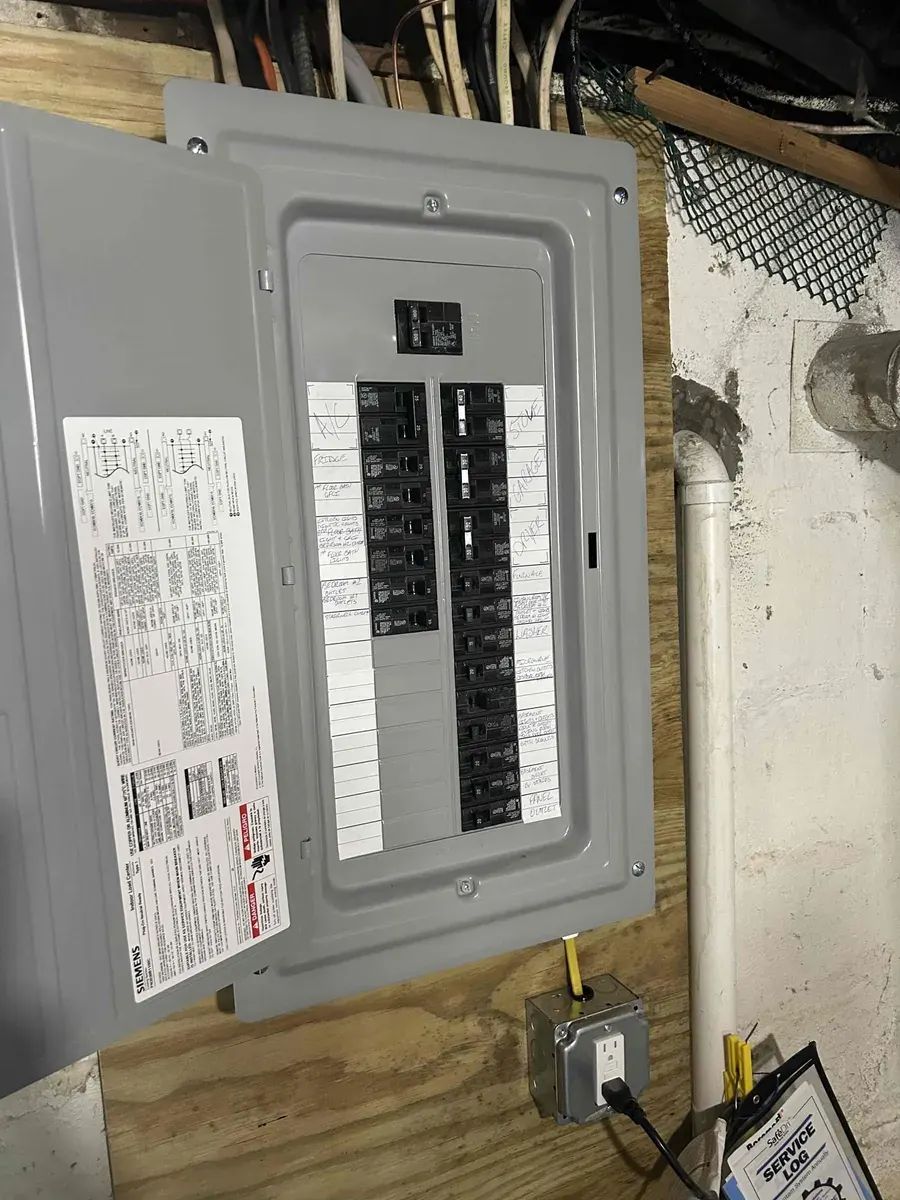
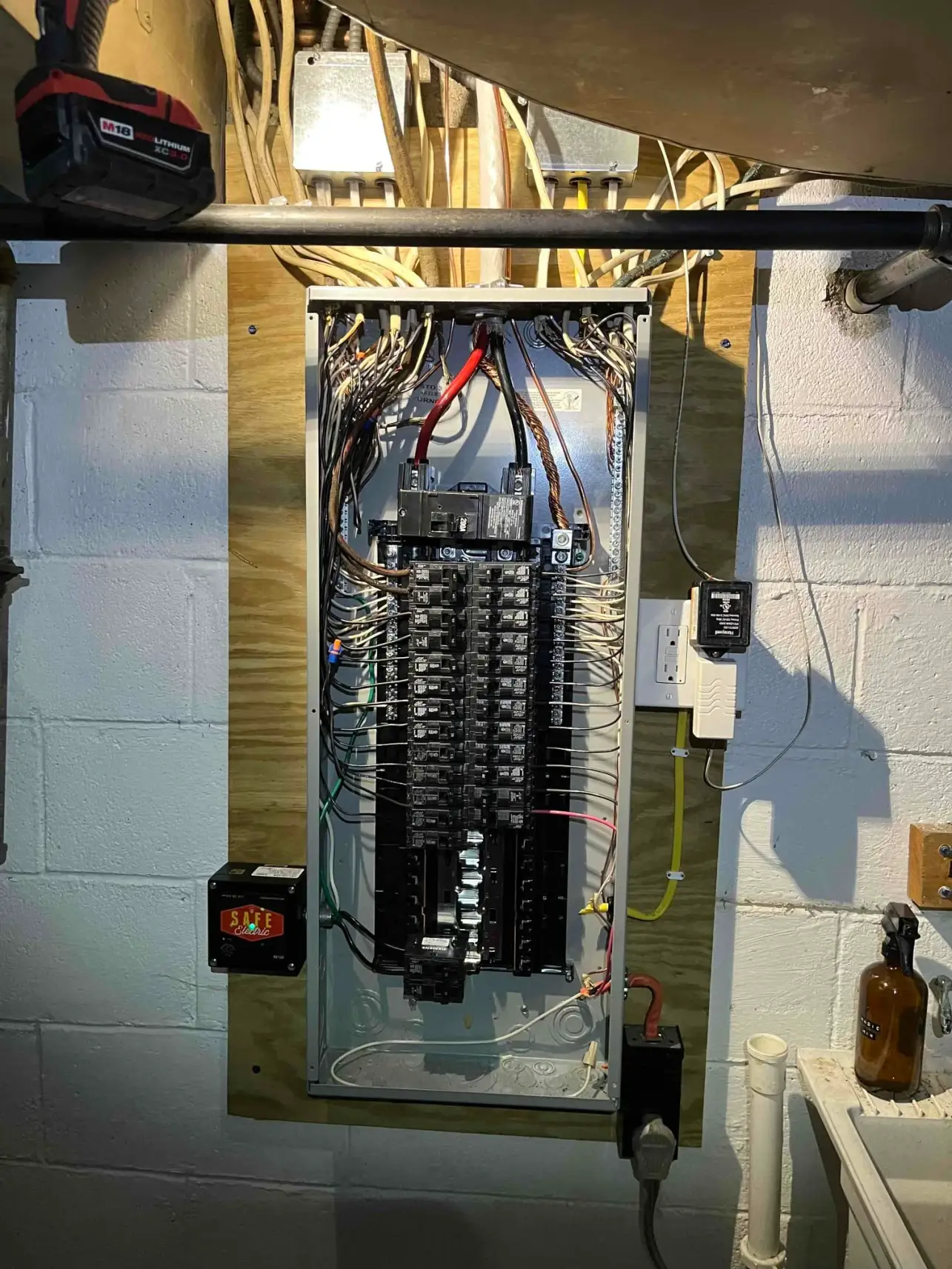
Outdated or Unsafe Electrical Panel
An aging panel is more than an inconvenience. It's a potential fire hazard.
Outdated Wiring
Wiring that was code-compliant in 1965 isn't code-compliant today.
Knob-and-Tube Wiring
Common in homes built before 1950. No ground wire, no protection against insulation contact, and typically incompatible with modern circuit loads.
Aluminum Branch Wiring
Used widely from the mid-1960s through the '70s. Aluminum expands and contracts more than copper, which loosens connections over time and raises the risk of arcing.
Cloth-Insulated Wiring
The insulation on these wires dries out and cracks with age. When insulation fails, bare conductors can contact surfaces or each other, a direct fire risk.
Missing Grounding or GFCI Outlets
Two-prong outlets and missing GFCI protection are safety gaps, not just code issues.
Damaged Outlets and Fixtures
Loose wiring and cracked outlets aren't cosmetic, they arc.
Leaky Pipes and Fixtures
Small leaks create big problems when they go unaddressed.
Low Water Pressure and Sluggish Drains
Both are symptoms. What's underneath is what matters.
Pressure Regulator Failure
If pressure is low throughout the home, the pressure-reducing valve at the main line may be failing. Replacement is straightforward once the cause is confirmed.
Corroded Supply Lines
Galvanized steel pipe corrodes from the inside out. As the bore narrows, flow drops. Replacing corroded supply lines restores pressure and improves water quality.
Blocked or Degraded Sewer Lines
Slow drains in multiple fixtures often trace back to the main sewer line, not individual clogs. A sewer drain inspection with a camera tells you what you're actually dealing with.
Water Stains and Moisture Damage
Stains tell you where water has been. Not just where it is now.