
Signs Your Water Softener Is Failing
Most water softeners last 10–15 years. Here is what to watch for as yours ages.
“Safe electric and plumbing always gets out quickly and it is easy to find appointments. …”
Warning Signs of a Failing Water Softener
Water softeners do a lot of quiet work: blocking mineral buildup in your pipes, keeping glassware spot-free, and helping your shampoos and soaps actually lather. But no appliance lasts forever. On average, most water softeners hold up for 10–15 years before they need serious attention or replacement. The tricky part is that they tend to fail gradually, not all at once, so the signs can sneak up on you.
Below are the most common indicators that your water softener is struggling. If you recognize more than one, it is worth having a plumber take a look before hard water starts doing real damage to your pipes and fixtures.

Written by
Matt Wehrle · Owner, Safe Electric & Plumbing & Plumbing
Hard Water Spots on Dishes and Glassware
Dry, Itchy Skin and Brittle Hair After Showering
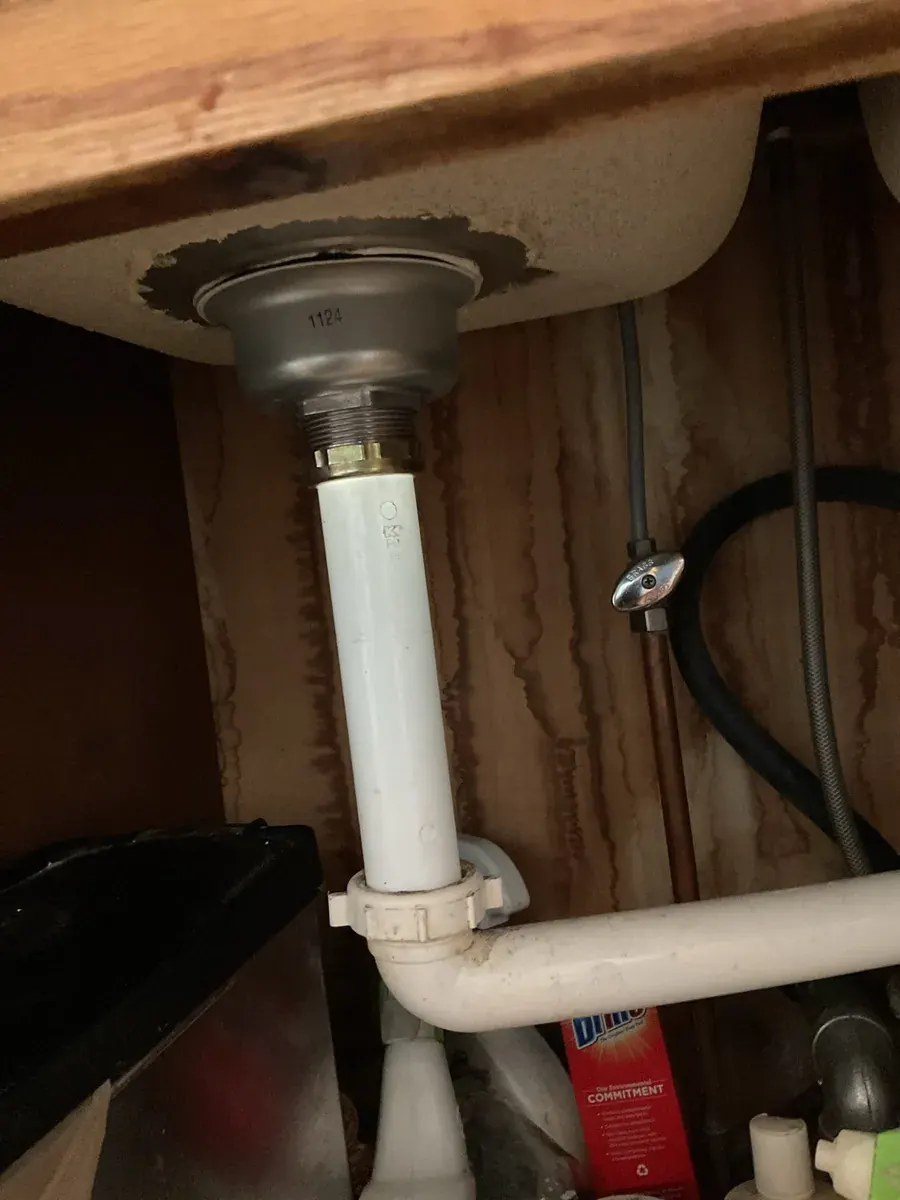
Low Water Pressure Throughout the House
Rust or Corrosion Around Plumbing Fixtures
Hard water does visible damage over time. These are the places to look first.
Rust Ring in the Toilet Bowl
A rust-colored ring at the water line inside your toilet bowl is a classic sign of iron in your water. A properly functioning softener should prevent iron from reaching your fixtures.
Corrosion at Pipe Connections
Rust and green-tinged corrosion around supply line fittings and shutoff valves point to hard water working on your plumbing over time, and a softener that is no longer doing its job.
Brown or Metallic-Tasting Water
If your tap water has taken on a rusty brown color or a metallic taste, that is dissolved iron coming through untreated. It confirms the softener is not removing minerals the way it should.
Salt Bridges and Resin Bead Exhaustion
Sometimes the problem is mechanical rather than age-related. These internal issues are worth ruling out before replacing the unit.
Salt Bridge Formation
A salt bridge is a hard crust that forms in the brine tank, creating an air gap between the salt and the water below. The softener goes through the motions of regenerating but never actually draws the salt brine it needs. Breaking up the crust sometimes fixes the issue entirely.
Mushing at the Bottom of the Tank
Salt mush is a thick sludge that settles at the tank bottom and can clog the brine line. It is often caused by lower-quality salt. Draining and cleaning the brine tank resolves it, though repeated mushing signals it is time to reassess the unit.
Exhausted Resin Beads
The resin beads inside the softener are what actually capture calcium and magnesium ions. After years of regeneration cycles, they lose capacity. Resin replacement is possible on some units, but if the tank is more than 12 years old, replacement usually makes more sense than repair.
Increased Water and Salt Usage
When to Call a Plumber
If your water softener is showing two or more of these signs, or is past the 15-year mark, call Safe Electric & Plumbing at (614) 267-4111. We will send an experienced plumber out to assess the unit, test your water quality, and give you an honest read on whether repair or replacement makes more sense for your household. If a new softener is the right call, we will recommend the right model and capacity without overselling you on features you do not need.
Call (614) 267-4111
Our Service Area
Safe Electric & Plumbing serves homeowners across Central Ohio from our location at 3208 Morse Rd, Columbus, OH 43231.
Our shop
3208 Morse Rd, Columbus, OH 43231
Mon–Sun: 12 AM–11:30 PM
Locations we serve 15
- ColumbusHQ
- Westerville
- Gahanna
- New Albany
- Reynoldsburg
- Worthington
- Dublin
- Powell
- Upper Arlington
- Hilliard
- Grove City
- Pickerington
- Canal Winchester
- Clintonville
- Lewis Center
Not on the list? If you're in Central Ohio, we can get to you.
Call (614) 267-4111