What Is Whole Home Surge Protection?
Most power surges start inside your home. Here is what actually stops them.
“Chad and his assistant were amazing. Very friendly guys that kept me updated on progress along the way.”
Where Power Surges Really Come From
Protecting your home against power surges may not be something you think about until a major storm hits. Lightning and downed power lines can cause a massive spike you'll certainly notice. But 60 to 80 percent of the surges your electronics withstand every day come from inside your home, from your own appliances cycling on and off. Even though those internal surges are smaller, they wear out electronics over time.
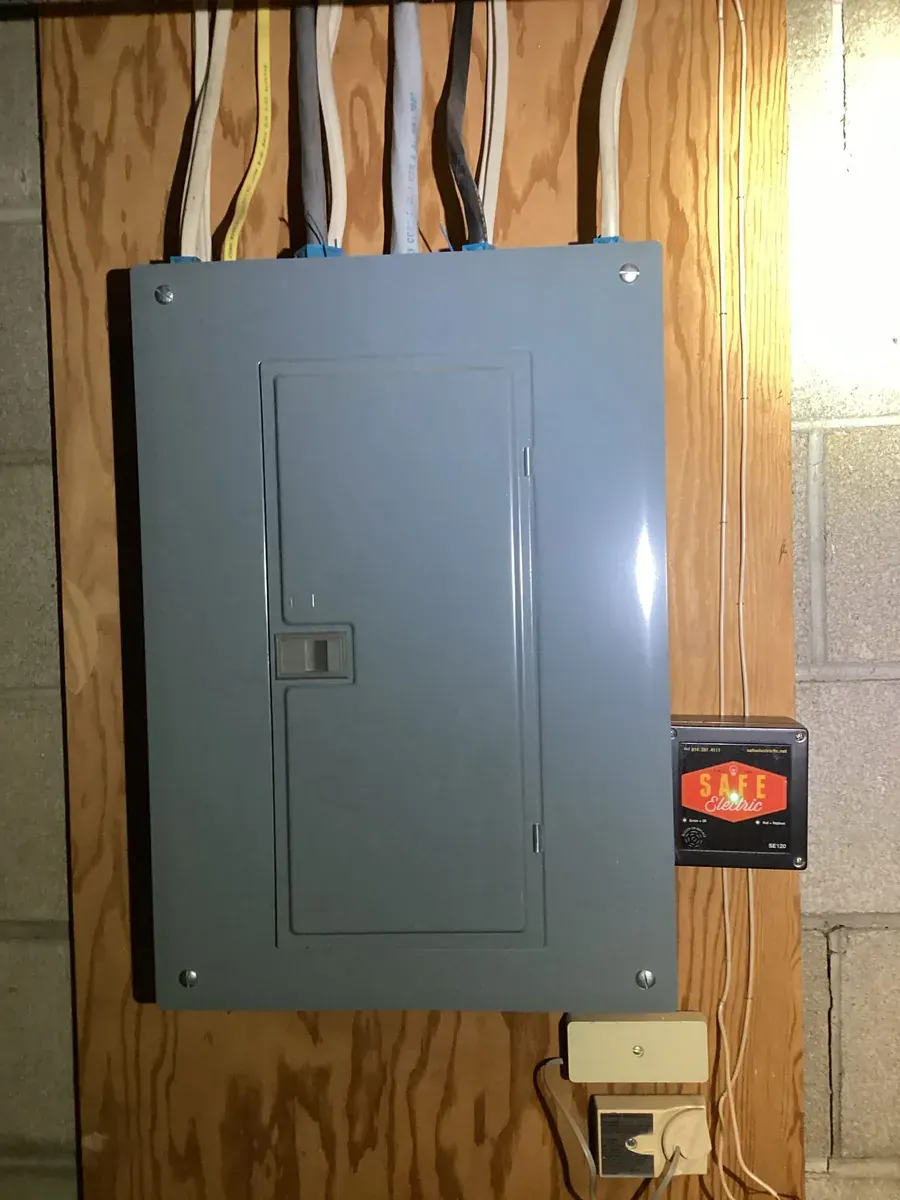
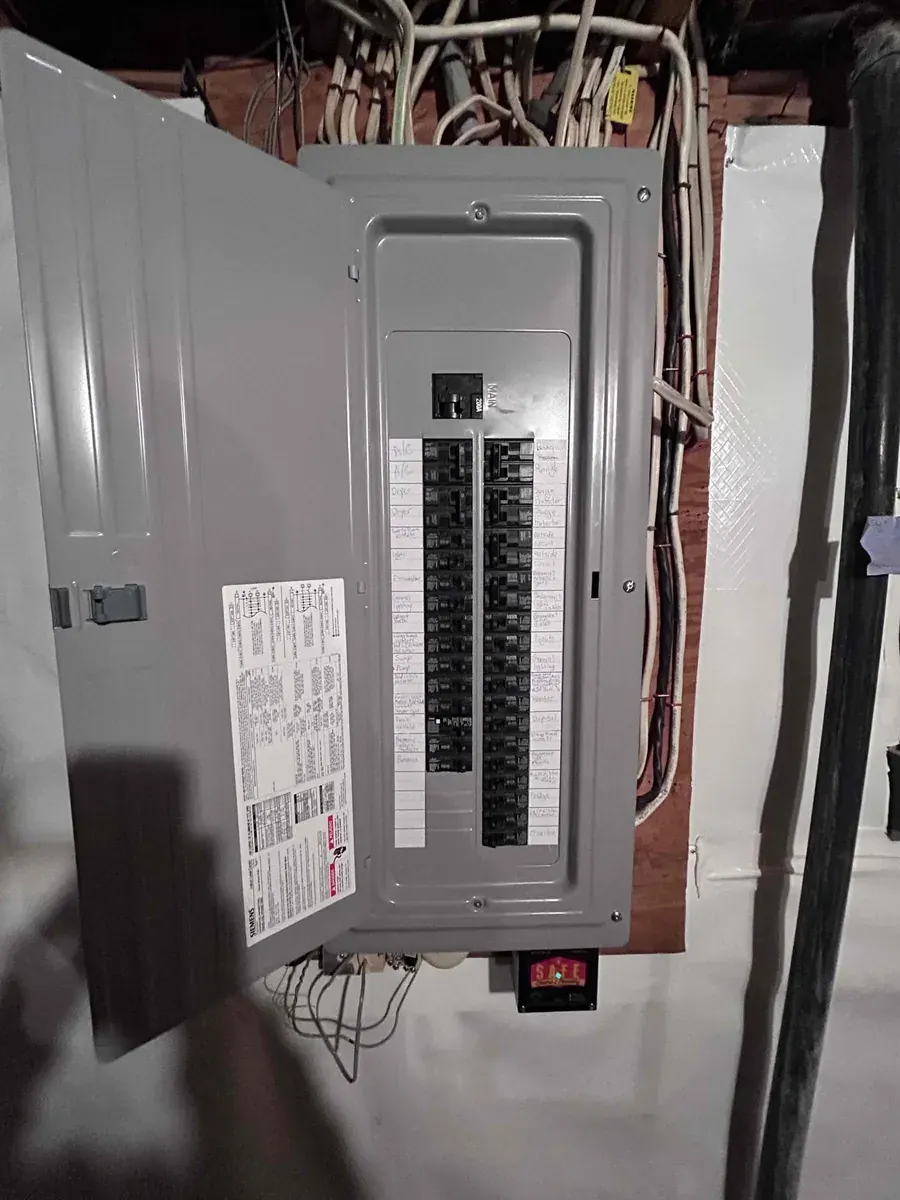
A whole home surge protector sits at your service panel and catches both kinds. It is hard-wired in, so it covers every outlet and circuit in the house, not just the ones with a power strip plugged in.

Written by
Matt Wehrle · Owner, Safe Electric & Plumbing & Plumbing
Common Causes of Power Surges
Surges don't only come from storms, most originate inside the house.
Tripped Circuit Breaker
When a breaker trips and resets, the sudden change in current flow can send a spike back through the circuit.
Power Company Malfunctions
Utility grid switching and equipment faults upstream can push irregular voltage into your home's wiring.
Lightning and Storms
A direct or nearby lightning strike is the surge most homeowners picture, and one of the most destructive.
Inductive Spikes
Motors and compressors in appliances like refrigerators and HVAC units generate voltage spikes each time they cycle.
Power Transitions on the Line
Large loads switching on or off, at your home or a neighbor's, can create brief but damaging fluctuations.
Outages and Downed Lines
When power is restored after an outage or a line comes down, the rush of returning voltage can surge through unprotected circuits.
What a Whole Home Surge Protector Does
What Size Do You Need?
How the Protection Actually Works
Internal Surges Are the Bigger Problem
Appliance Motors
Refrigerators, washing machines, and HVAC compressors generate an inductive spike every time the motor starts or stops. That spike travels through any shared circuit.
Shared Circuits
A large entertainment system with multiple devices on one circuit is a common source. Each device cycling sends a small surge back toward the others.
Cumulative Wear
No single internal surge destroys a device outright. The damage is cumulative, components degrade until one day the appliance simply stops working years too soon.
Layered Surge Protection
A whole home protector at the panel is the first layer. For sensitive equipment, a home office workstation, medical devices, high-end audio gear, a secondary point-of-use protector at the outlet adds a second barrier. The two layers work together: the panel unit handles the big surges, and the point-of-use unit catches any residual spike that makes it through. This layered approach is what electricians recommend for homes with significant electronics investments. It is installed directly into the panel and requires no maintenance once it is in place.
Call (614) 267-4111