When Is It Time to Upgrade Your Electrical Panel?
Know the warning signs before a nuisance becomes a safety hazard.
“Bryce let me know exactly what was needed and informed me what he would do!”
Signs Your Panel Needs Attention
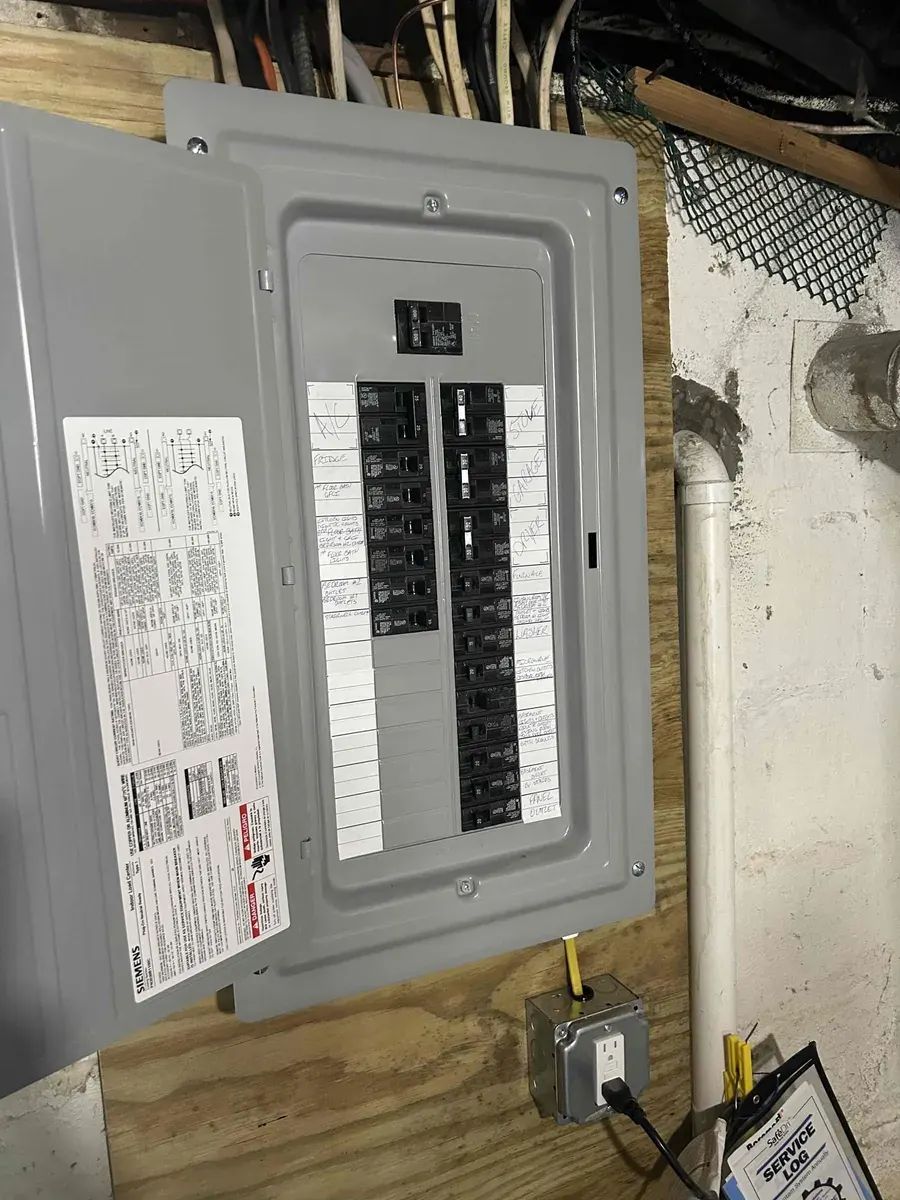
Your electrical panel is easy to ignore, until it stops doing its job quietly. Most homeowners never think about it until a breaker trips at an inconvenient moment or something smells wrong. But your panel has a finite lifespan, and the signs it gives you before failure are worth knowing.
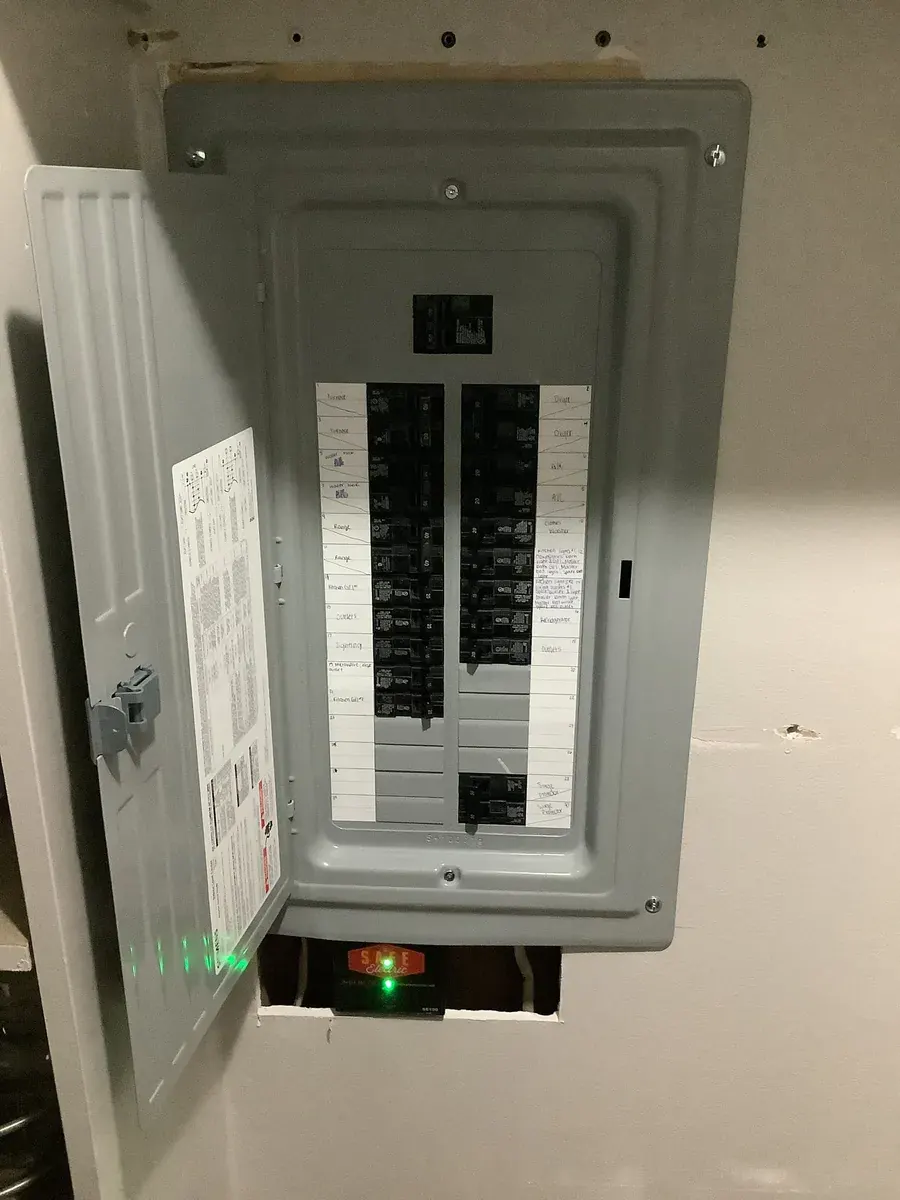
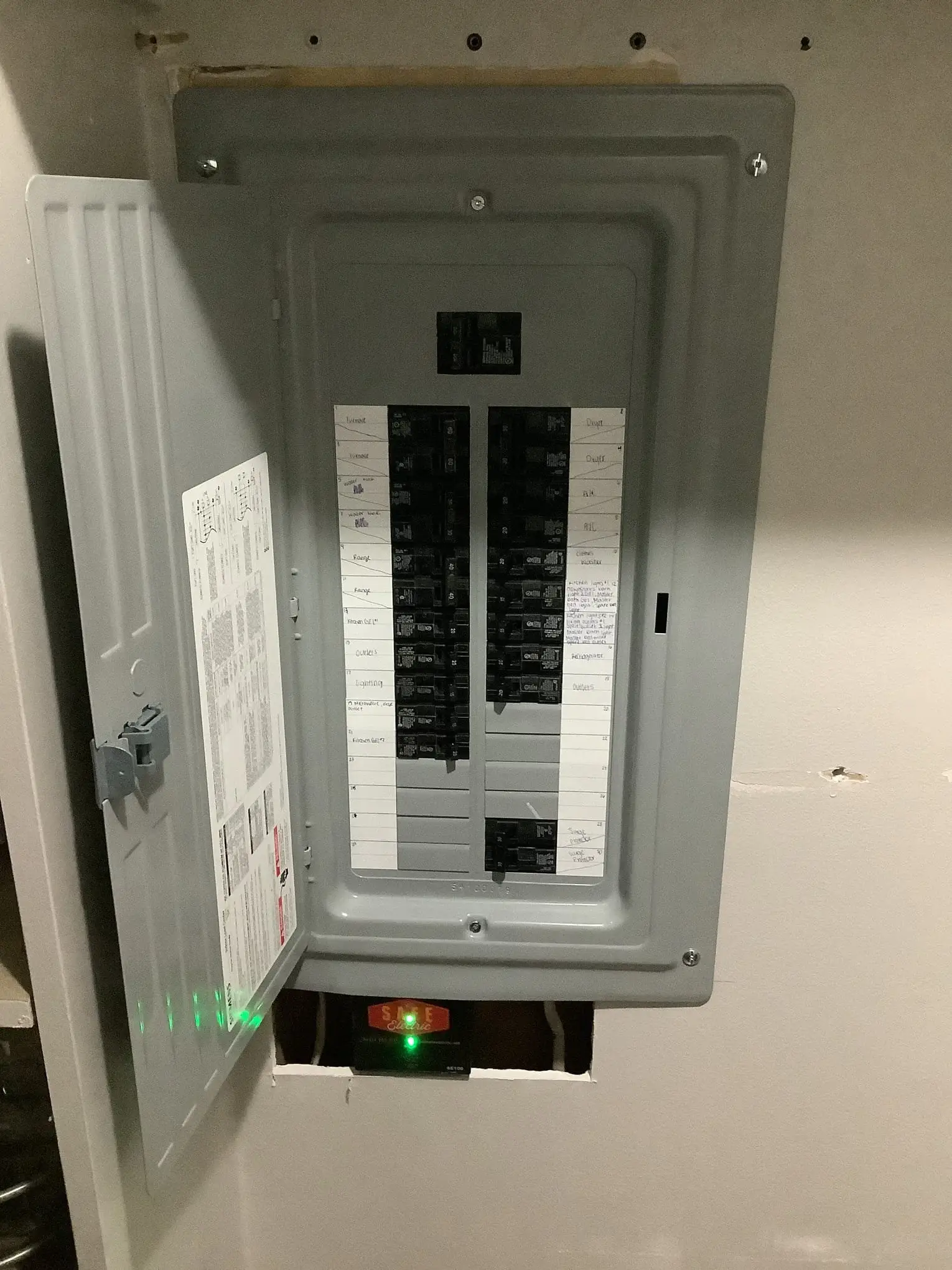
Technicians recommend replacing a panel at least every 20 years, in line with the electrical panel replacement code. That said, age alone isn't always the deciding factor. The condition of the panel, the demands of your appliances, and the wiring in the rest of your home all play a role. If you're not sure where your panel stands, a professional electrical inspection is the fastest way to find out.

Written by
Matt Wehrle · Owner, Safe Electric & Plumbing & Plumbing
When Should You Upgrade Your Electrical Panel?
Signs to Look Out For
Any one of these is worth a call. More than one means don't wait.
Lights Dimming or Flickering
If your lights dim when you start the dishwasher or washing machine, the panel's amperage is being stretched past what it was built to handle. The panel is prioritizing larger loads and pulling voltage away from lighting circuits. This isn't a bulb problem. It's a capacity problem.
Breakers Tripping Repeatedly
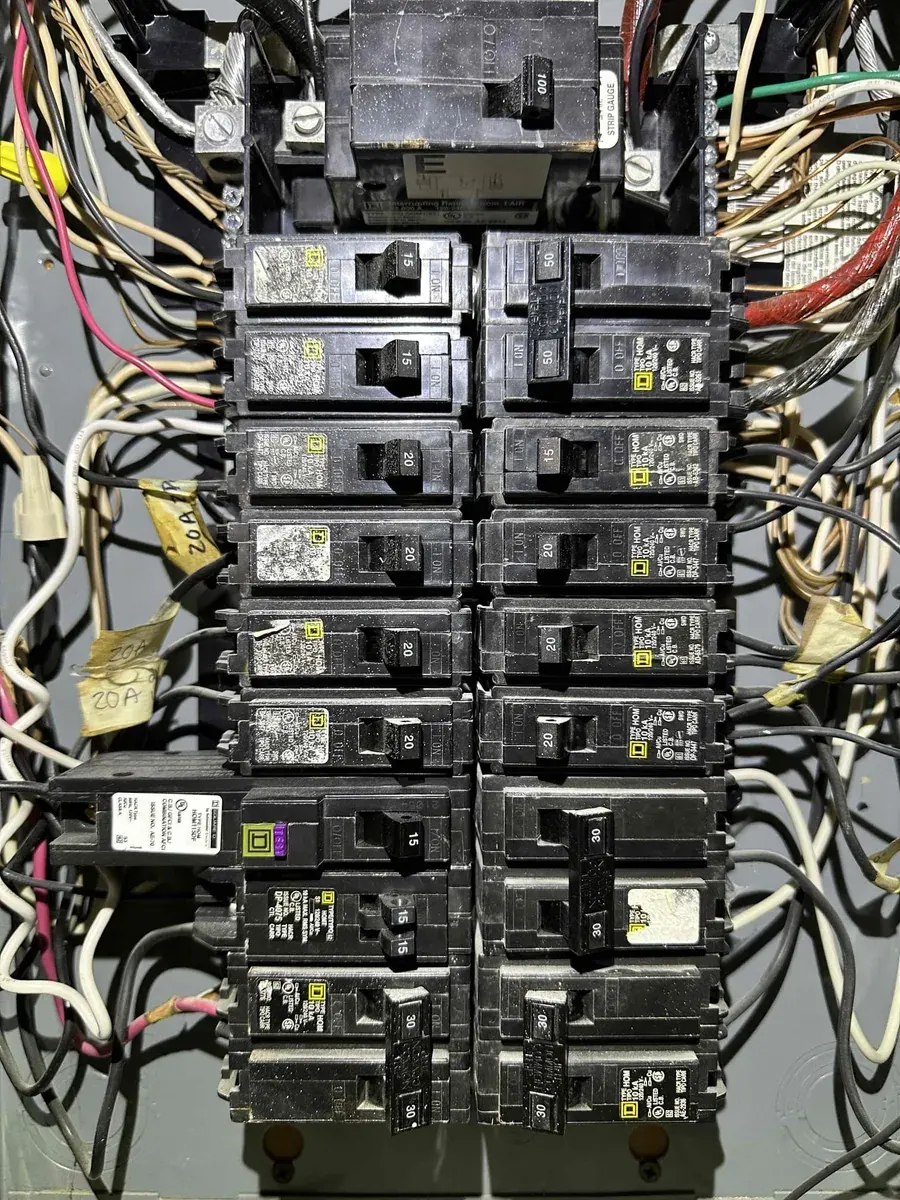
A breaker that trips once after an unusual load isn't alarming. A breaker that trips regularly on the same circuit is telling you something. The breaker is doing its job, protecting that circuit from overload, but if overload is the normal state, the panel needs to be upgraded to a higher amperage, not just reset.
Panel Hot to the Touch
One of the panel's core functions is regulating heat in your electrical system. If the panel itself is warm or hot to the touch, that heat management has broken down. It can mean worn components, loose connections, or a breaker that's no longer switching off properly. Get it checked before it gets worse.
Buzzing or Hissing Sounds
Electrical panels operate silently. The only sound a healthy panel makes is the click of a breaker resetting after a trip. Buzzing, hissing, or crackling sounds are not normal and should not be ignored. They typically indicate a defective breaker, arcing, or a loose connection, all of which carry a real fire risk.
If the Lights in Your Home Are Dimming
If Your Circuit Breakers Keep Tripping
If Your Panel Is Hot or Making Noise
How to Choose the Right Option
When replacement or upgrade is the answer, you have three paths depending on your home's current setup and future needs.
Replace a Defective 100-Amp Panel
If your existing 100-amp panel has failed components or is beyond its service life, a like-for-like replacement restores safe operation without changing the service capacity. This makes sense when the amperage itself has been sufficient and the panel is simply worn out.
Upgrade to 200-Amp Service
The most common upgrade for Columbus-area homes. Moving from 100 to 200 amps gives a modern home the headroom it needs for central air, multiple large appliances, and increasingly, an EV charger. It's the standard recommendation for homes that were built or last updated before the mid-1990s.
Upgrade to 400-Amp Service
Larger homes, homes with electric vehicle charging stations, whole-home generators, or significant additions sometimes need 400-amp service. This is less common in standard residential upgrades but is worth discussing with a technician if you're planning a major renovation or adding a detached workshop.
What Affects the Cost?
- The size of your home
- Whether new electrical wiring is needed
- Permit requirements for your jurisdiction
Questions About Your Panel? Call Matt's Team.
Safe Electric & Plumbing has been evaluating and replacing electrical panels in Central Ohio since 1994. If something on this page sounds familiar, don't wait to get it looked at.
Call (614) 267-4111