
Electrical Safety Tips for Homeowners
What every Columbus homeowner should know to protect their home and family.
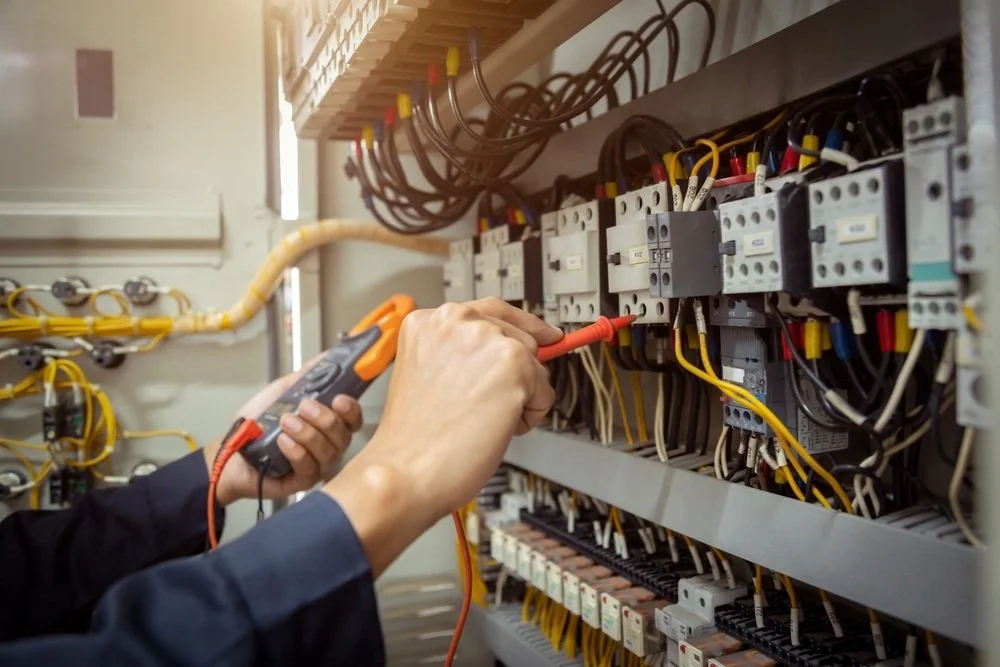
“Chad and his assistant were amazing. Very friendly guys that kept me updated on progress along the way.”
Protecting Your Home from Electrical Fires
According to the U.S. Fire Administration, between 2014 and 2023 there were 305 deaths, 800 injuries, and $1,501,600,000 in dollar loss from residential electrical fires. National Fire Protection Association data shows that electrical distribution, power transfer equipment, and lighting caused roughly half, 49%, of those fires. Many started overnight, between midnight and 2 a.m. When nobody was awake to catch the early signs.
The first and most important step is making sure your home has working smoke detectors on every level, especially near bedrooms. Check the batteries regularly and replace them on the schedule the manufacturer recommends. Beyond smoke detectors, there are several practical steps Columbus homeowners can take to reduce electrical risk, and most of them cost very little.

Written by
Matt Wehrle · Owner, Safe Electric & Plumbing & Plumbing
Install GFCI Outlets in Wet Areas
Avoid Relying on Extension Cords
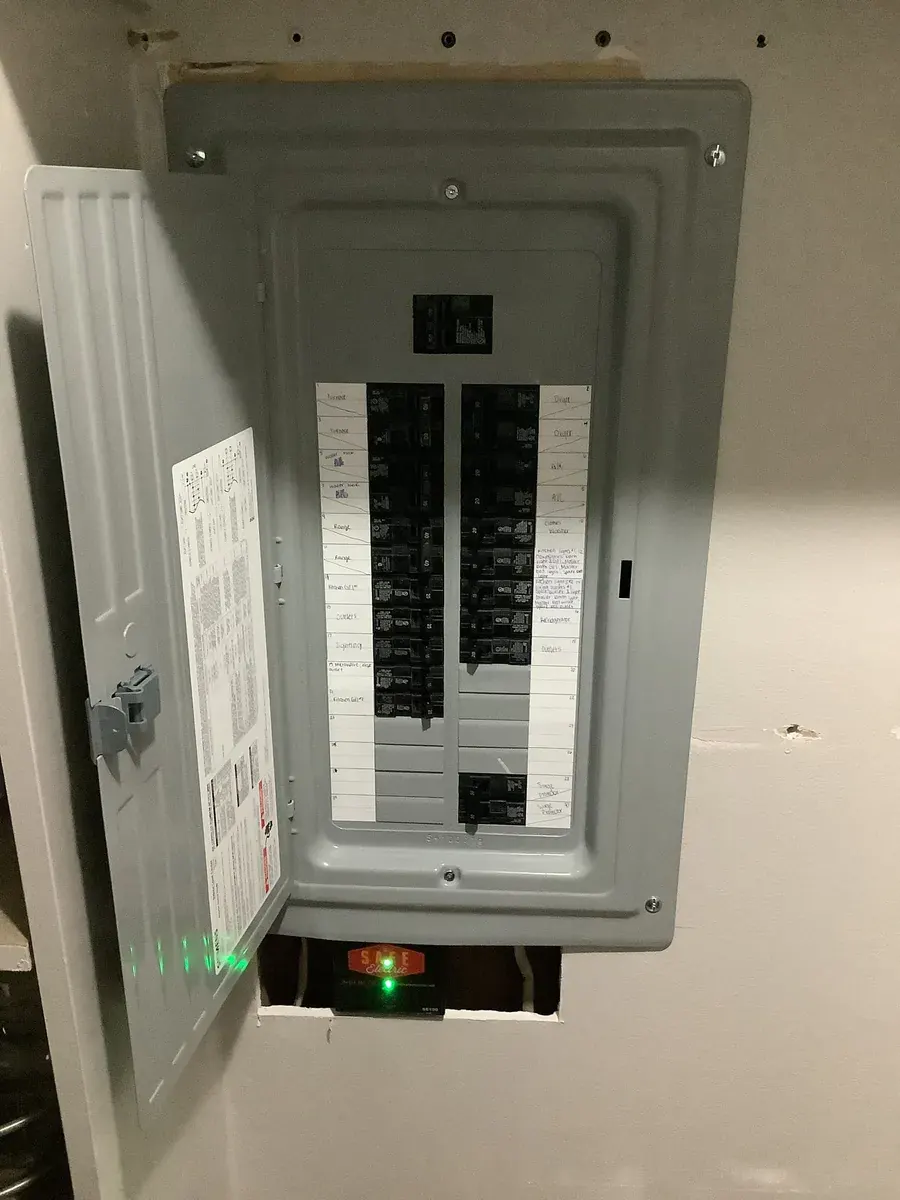
Arc Fault Breakers Catch What Standard Breakers Miss
Standard circuit breakers trip on overloads. Arc fault circuit interrupters (AFCIs) detect something more dangerous.
What Arcing Actually Is
Arcing happens when electricity jumps across a gap, often in damaged or deteriorated wiring. The arc generates intense heat, enough to ignite wood, insulation, or anything combustible nearby, long before a standard breaker reacts.
Why Standard Breakers Don't Catch It
A standard breaker monitors current draw. An arc fault can exist at levels that never trigger the breaker. The wiring quietly smolders until something ignites. AFCI breakers are designed specifically to detect the electrical signature of arcing and shut the circuit off.
Where They're Required
Current electrical code requires AFCI breakers in bedrooms, living rooms, dining rooms, and most finished spaces. If your panel predates those code requirements, upgrading is worth discussing with an electrician, particularly in Columbus homes built before 2000.
Child-Proof Your Outlets
Use Space Heaters Carefully
Space heaters cause a disproportionate number of house fires, most of them preventable.
Keep Three Feet Clear
Anything combustible, curtains, bedding, rugs, furniture, should be at least three feet away from a space heater. This is the most commonly ignored rule and the most common cause of space heater fires.
Never Leave One Running Unattended
Turn the heater off when you leave the room or go to sleep. Most modern space heaters have automatic shut-off features, but those are a backup, not a substitute for switching the unit off yourself.
Plug Directly Into the Wall
Never run a space heater through an extension cord or power strip. The draw is too high for most cords to handle safely over time, and the cord can overheat at the connection point.
Electrical Safety
Safe Electric & Plumbing Handles Home Electrical Safety
With some precautions and planning, you can reduce electrical risk significantly. If you are concerned about the state of your home's electrical system, call Safe Electric & Plumbing at (614) 267-4111. One of our electricians will visit your home, inspect the wiring and panel, and give you an honest picture of what, if anything, needs attention. We have been doing this work in Columbus since 1994, and we have seen the full range: homes that are perfectly safe and homes that needed immediate attention. Either way, you'll know where you stand.
Call (614) 267-4111
More from Safe Electric & Plumbing
What to Expect from an Electrical Inspection
A walkthrough of what our electricians look for during a home electrical inspection, and why it matters before buying or selling.
Fuse Box vs. Circuit Breaker
Still on a fuse box? Here is what the difference means for safety, insurance, and whether an upgrade makes sense for your home.
The Role of GFCI Outlets
A closer look at how GFCI protection works, where it is required by code, and how to test whether yours are functioning correctly.
Why Surge Protection Matters
A single power surge can destroy appliances, damage wiring, and void warranties. Whole-home surge protection is a straightforward fix.