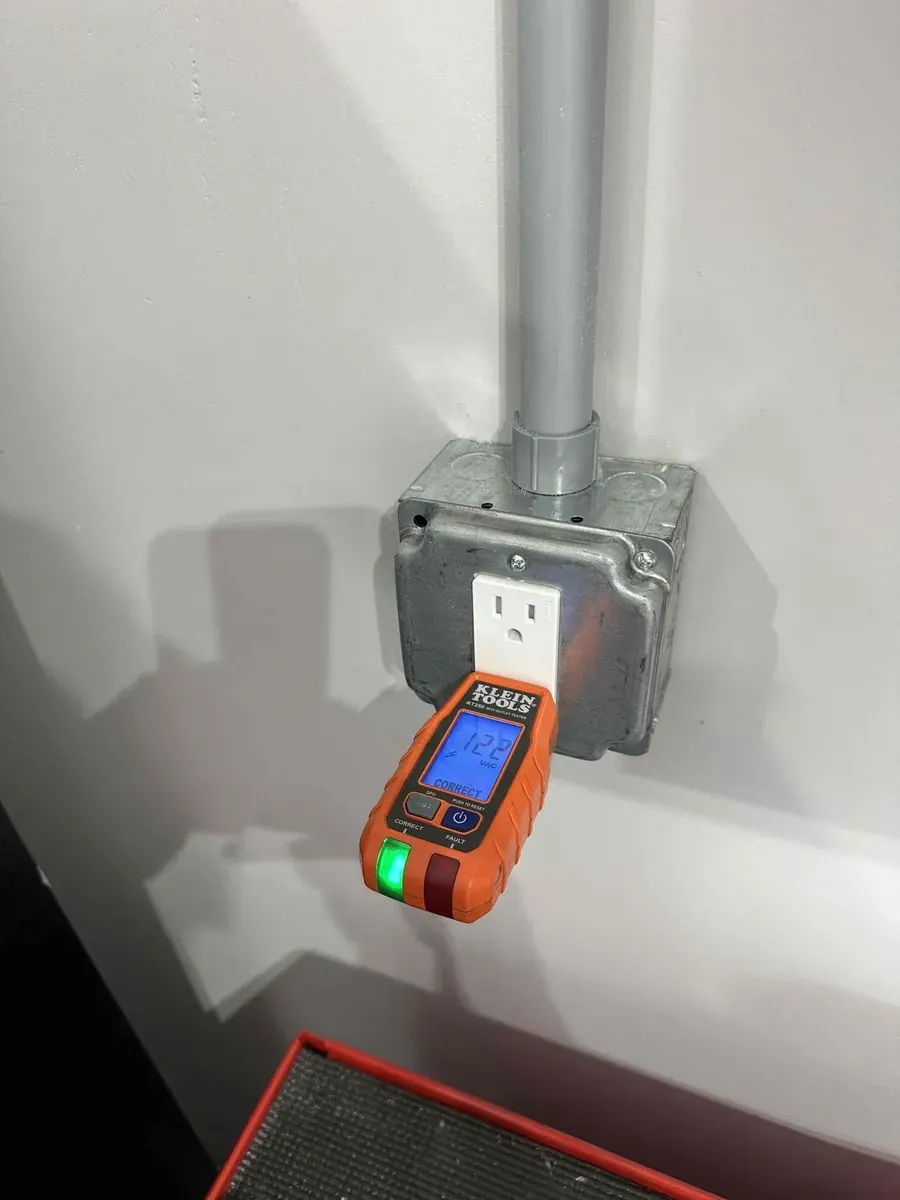
GFCI vs. Standard Outlets
What every Columbus homeowner should know about outlet safety and electrical code requirements.
“Chad and his assistant were amazing. Very friendly guys that kept me updated on progress along the way.”
Why outlet type is a safety question
Most homeowners use electrical outlets every day without thinking much about how they work. But not all outlets offer the same level of protection. In areas where moisture or water may be present, a standard outlet may leave a gap in your home's electrical safety. That gap is exactly what GFCI outlets are designed to close.
Understanding the difference between GFCI and standard outlets helps you stay current with electrical code requirements and recognize when an upgrade may be warranted. If you're unsure what type of outlets your home has, or whether they're working correctly, our electrical services team can check them for you.

Written by
Matt Wehrle · Owner, Safe Electric & Plumbing & Plumbing
What Is a GFCI Outlet?
GFCI Outlets vs. Standard Outlets
Two different types of protection. Here's how they compare.
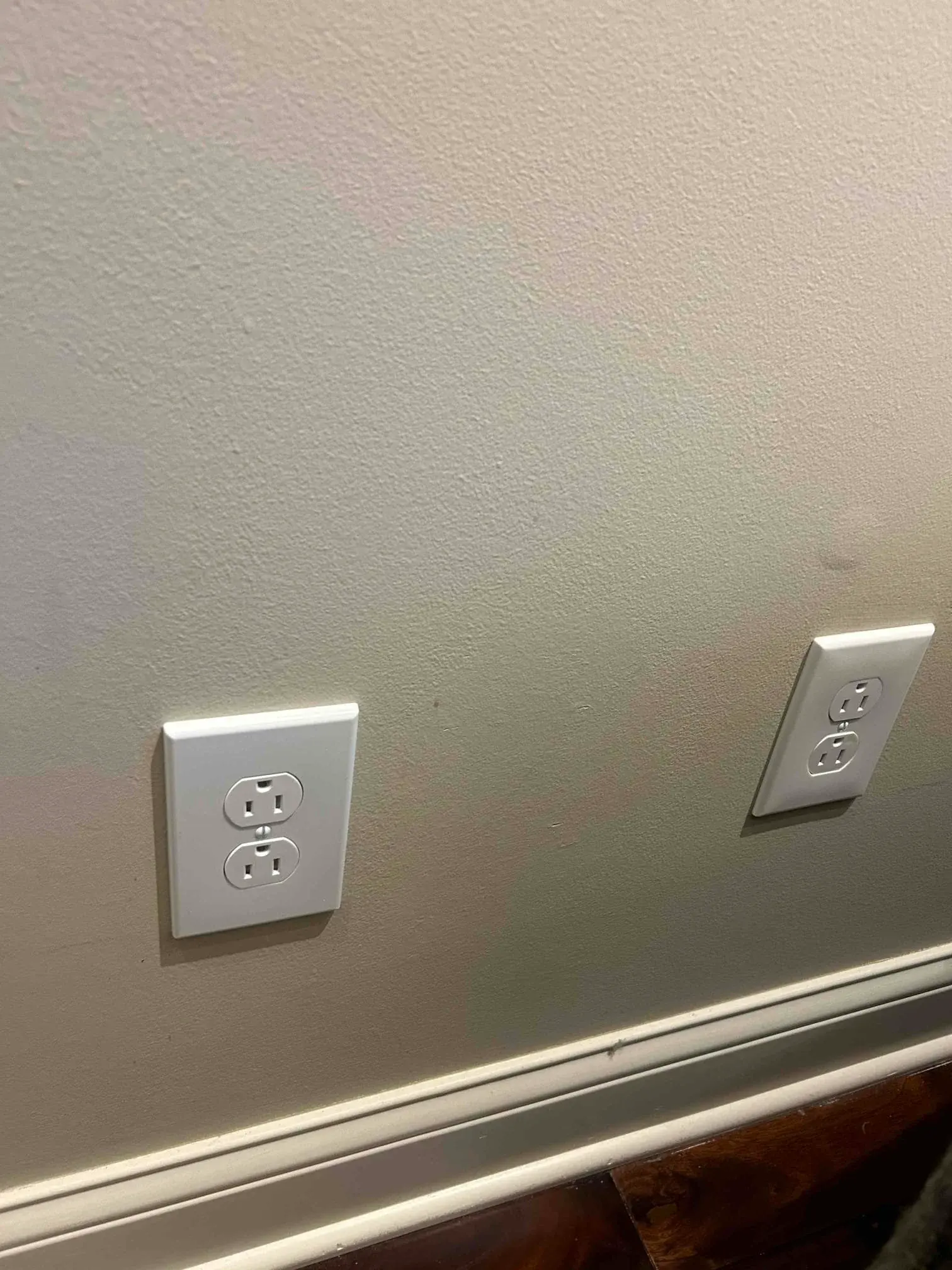
Standard Outlets
Designed to deliver power to electrical devices and appliances. Circuit breakers on the same circuit protect against overloaded circuits and electrical fires, but standard outlets do not detect ground faults on their own.
GFCI Outlets
Provide an additional layer of protection by monitoring electrical current in real time. When a ground fault is detected, the outlet interrupts power almost instantly, well before a breaker would trip.
Standard Outlet Capabilities
What a standard outlet does, and doesn't, do.
Delivers power to electrical devices
Relies on breakers for overload protection
Does not detect ground faults
Suited for dry indoor areas away from moisture
- Deliver power to electrical devices
- Rely on breakers for overload protection
- Do not typically detect ground faults
- Are commonly used in dry indoor areas
GFCI Outlet Capabilities
GFCI outlets go beyond a standard outlet's protection.
Ground Fault Detection
Monitors current between the hot and neutral wires continuously. If even a small imbalance is detected, the outlet interrupts power almost instantly.
Shock Risk Reduction
Particularly important near sinks, tubs, and outdoor areas where electricity and moisture can meet. GFCI outlets respond far faster than a standard breaker.
Downstream Protection
In many cases, a single properly installed GFCI outlet can protect additional standard outlets connected to the same circuit. This is why you may notice standard-looking outlets in bathrooms or kitchens that are still GFCI-protected.
- Detect electrical current imbalances
- Shut off power during potential ground faults
- Help reduce shock risks around water
- Include "Test" and "Reset" buttons
- May protect additional outlets downstream on the same circuit
The "Test" and "Reset" Buttons
GFCI outlets are easy to identify. They have two buttons on the face.
Test Button
Simulates a ground fault condition and temporarily shuts off power to the outlet. Press it to confirm the GFCI mechanism is functioning. Power should cut off immediately.
Reset Button
Restores power after the outlet has tripped, either from a real ground fault or from pressing the Test button. If the Reset button won't stay engaged, the outlet may need to be replaced.
Where GFCI Protection Is Required
- Bathrooms
- Kitchens
- Garages
- Laundry rooms
- Basements
- Crawl spaces
- Outdoor outlets
- Pool and spa areas
Can One GFCI Outlet Protect Others?