What to Expect from an Electrical Inspection
A plain-language guide to what happens during a professional home electrical inspection in Columbus.
“Austin was very knowledgeable and explained all of my electrical issues to me in terms someone who isn’t an electrician can understand, which makes a world of difference. …”
What a home electrical inspection actually covers
Your home's electrical system does a lot of work behind the walls. Every outlet you plug into, light you switch on, appliance you run, and device you charge relies on wiring, circuits, breakers, and connections that most homeowners rarely see.
When everything works, it's easy to assume everything is safe. But working and safe aren't the same thing, and the gap between them is exactly what a professional electrical inspection is designed to find.
If you're buying an older Columbus home, setting up a home office, adding an EV charger, or just haven't had a professional look at your system in years, here's what an electrical inspection actually involves, and why it matters.

Written by
Matt Wehrle · Owner, Safe Electric & Plumbing & Plumbing
What Is an Electrical Inspection?
Why Electrical Inspections Matter
The Seven Areas Covered in an Inspection
Every inspection Safe Electric & Plumbing performs works through these core components of your home's electrical system.
1. Electrical Panel and Circuit Breakers
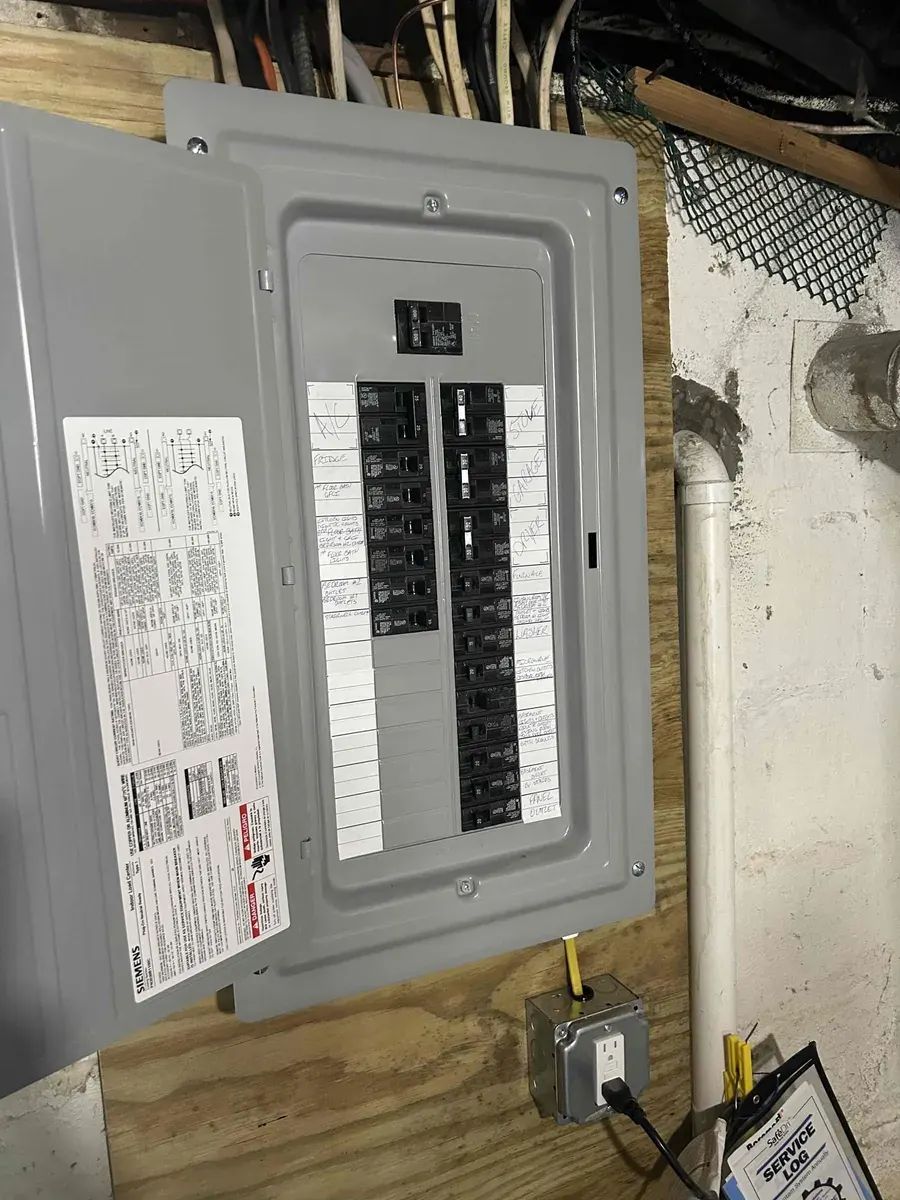
The panel is the nerve center of the system. An electrician evaluates its condition, checks breaker operation, looks for signs of overheating or improper wiring, and assesses whether the panel appears appropriately sized for the home's current load. In older Central Ohio homes, where panels were designed before households relied on central AC, high-powered kitchen appliances, or EV chargers, capacity is often the first issue found. Our fuse box vs. circuit breaker guide explains what a dated panel may mean for your home.
2. Wiring
Much of your wiring is hidden, but an experienced electrician can still evaluate accessible portions of the system and identify warning signs throughout. An inspection looks for concerns including aging wiring, improper connections, damaged conductors, exposed wiring, previous DIY modifications, grounding problems, and wiring that may no longer be appropriate for the home's current needs. Homes with aluminum branch circuit wiring or older cloth-sheathed wiring deserve particular attention.
3. Outlets and Receptacles
Outlets wear out over time, and in older homes they may have been replaced or modified at different points, sometimes correctly, sometimes not. An electrician checks for worn or damaged receptacles, verifies proper grounding, and identifies locations where the outlet type no longer meets current safety standards. Finding a problem here doesn't mean rewiring the house; often professional outlet replacement addresses the concern directly.
4. GFCI Protection
Ground-fault circuit interrupters reduce the risk of electrical shock by quickly interrupting power when a ground fault is detected. They're required in bathrooms, kitchens, garages, basements, and other moisture-prone areas. During an inspection, an electrician identifies where GFCI protection is missing, improperly installed, or no longer functioning correctly. Our guide to GFCI protection covers how these devices work and where they're required.
5. AFCI Protection
Arc-fault circuit interrupters serve a different purpose. They're designed to detect electrical arcing. The kind that can ignite a fire inside a wall before any visible sign appears. Modern code requires AFCI protection in bedrooms and other areas of the home, but many older Columbus houses were built before these requirements existed. An inspection identifies which circuits have AFCI protection and which don't. See our article on arc fault breakers and electrical fire prevention for more detail.
6. Switches and Fixtures
Light switches and fixtures get used constantly, and wear develops gradually. An electrician looks for loose connections, improper grounding, damaged switches, unusual heat, buzzing, flickering, or other signs that something isn't operating as it should. These can seem like minor annoyances, but persistent flickering or buzzing from a fixture is sometimes an early indicator of a wiring issue worth investigating.
7. Grounding and Bonding
Proper grounding gives fault current a safe path out of the system. It's what allows breakers to trip and protects people and equipment when something goes wrong. Bonding connects metal parts of the system so they stay at the same voltage potential. Both are easy to overlook but important to verify, particularly in older homes or properties that have gone through multiple rounds of renovation. Grounding problems are among the most common findings in older Central Ohio houses.
Problems a Professional Inspection Can Uncover
Finding an issue doesn't mean your entire electrical system needs replacing, but it does mean you have information to act on.
Safety Hazards
Issues that present an immediate or elevated risk, exposed wiring, missing GFCI protection near water, overloaded circuits, or panels showing signs of heat damage.
Aging Components
Wiring, outlets, panels, and breakers that are worn, outdated, or no longer appropriate for the home's current electrical load.
Code Deficiencies
Work that didn't meet code when it was done, or that met older code but doesn't reflect current requirements, relevant for insurance and future renovations.
Capacity Shortfalls
Systems that were undersized for today's use, relevant if you're planning an addition, a home office, an EV charger, or a major appliance upgrade. An electrical service upgrade may be the right next step.
- Outdated electrical panels
- Damaged or aging wiring
- Loose electrical connections
- Overloaded circuits
- Improper breaker sizes
- Ungrounded outlets
- Missing GFCI or AFCI protection
- Reversed polarity
- Unsafe DIY electrical work
- Damaged switches or receptacles
- Inadequate electrical capacity
- Electrical code concerns
When to Schedule an Electrical Inspection
Before Buying a Home
A general home inspection covers a lot of ground but rarely goes deep on electrical systems. An electrical inspection before closing gives you a clear picture of what you're inheriting, and negotiating leverage if problems surface.
In Older Columbus Homes
The U.S. Consumer Product Safety Commission recommends professional inspections for older homes as electrical demands increase. If your home is 30 or more years old and hasn't been inspected recently, it's worth scheduling one.
Before a Major Renovation
Adding a bathroom, finishing a basement, upgrading a kitchen, any significant project that changes your electrical load is a good reason to verify the existing system can handle it safely before the walls open up.
After Storm or Power Surge Damage
Lightning strikes and utility surges can damage components throughout the system without tripping a single breaker. If your home has taken a hit, an inspection identifies what was affected. Our emergency electrician line is available nearly 24/7.
When Warning Signs Appear
Flickering lights, tripping breakers, warm outlets, burning smells, or buzzing from switches aren't things to monitor. They're reasons to call. If you're unsure whether your situation qualifies as urgent, our guide on when to call for an emergency electrical appointment can help you decide.
For Insurance or Sale Requirements
Some insurers require documentation of electrical system condition for older homes. If you're selling, an inspection report gives buyers confidence and can prevent last-minute surprises at closing.
30+ Years Inspecting Columbus Homes
Safe Electric & Plumbing has been inspecting and servicing electrical systems in Central Ohio since 1994. Our team has worked in homes from 1940s German Village bungalows to new construction in New Albany, and we know what to look for at every stage of a home's life. Fully insured. Rated A+ by the BBB. Nearly 24/7 availability.
Call (614) 267-4111