Unsafe Wiring Warning Signs in Older Homes
Know what to look for before a small electrical problem becomes a serious hazard.
“Chad and his assistant were amazing. Very friendly guys that kept me updated on progress along the way.”
Warning signs hiding inside older homes
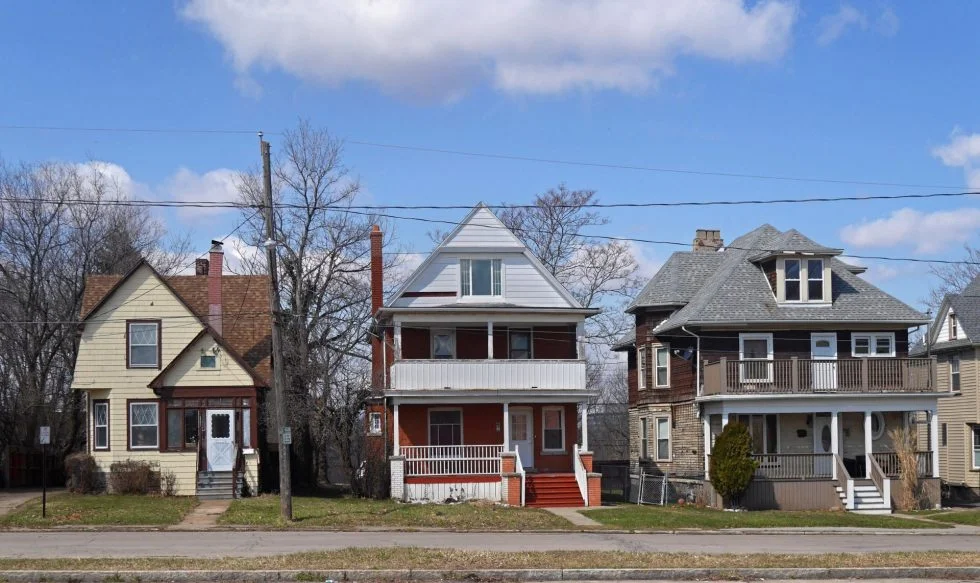
Older homes have a certain charm and can be a fixer-upper's dream. You won't find some of the unique design elements of older homes in modern architecture. But those same homes can be filled with landmines in the form of outdated systems, costly to ignore and, in some cases, genuinely dangerous.
The electrical system is one of the biggest culprits. Vintage fixtures are beautiful and nostalgic. If they're powered by outdated wiring, though, they could be an accident, specifically an electrical fire, just waiting to happen. Updating the electrical panel and wiring can solve these issues, providing enough capacity for your home's power needs while bringing it in line with current safety standards.
Here are the warning signs worth knowing about, and what each one typically means.

Written by
Matt Wehrle · Owner, Safe Electric & Plumbing & Plumbing
Frequent Breaker Trips and Blown Fuses
Your panel is telling you something, listen to it.
Flickering and Dimming Lights
If you're not using a dimmer switch, this shouldn't be happening.
No GFCI Outlets in Wet Areas
- Bathrooms, both sink and shower circuits
- Kitchen countertop circuits within 6 feet of a sink
- Garages and unfinished basements
- Outdoor outlets and any circuit near a pool or spa
Two-Prong Outlets Throughout the House
Ungrounded outlets are more than an inconvenience, they leave your devices and your family exposed.
What Two-Prong Outlets Mean
Two-prong outlets have no ground wire. Grounding gives fault current a controlled path back to the panel so a breaker can trip. Without it, a fault can travel through a person, damage sensitive electronics, or generate sustained heat in the wiring.
The Adapter Problem
Three-to-two-prong adapters are cheap and everywhere. They do not add a ground, they just let you plug in a three-prong device without one. Using an adapter is not a fix; it just makes the problem less visible.
The Right Fix
Running a ground wire to existing outlets, or replacing ungrounded outlets with GFCI-protected outlets where code allows, are both legitimate solutions. Which approach makes sense depends on your home's wiring. Our electrical services team can evaluate the right path forward.
Knob-and-Tube or Cloth-Wrapped Wiring
An Oversized or Outdated Electrical Panel
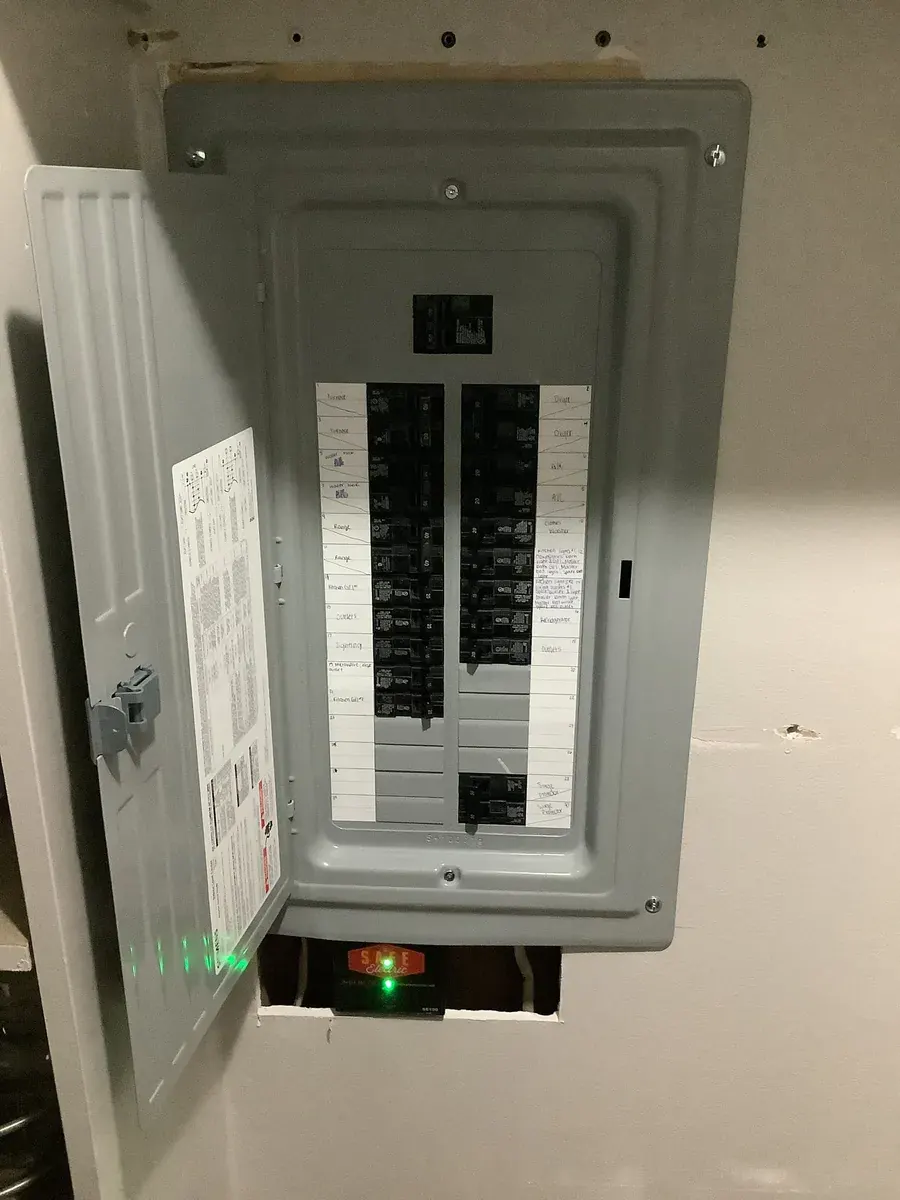
The panel is the nerve center of your home's electrical system, and older ones have known failure modes.
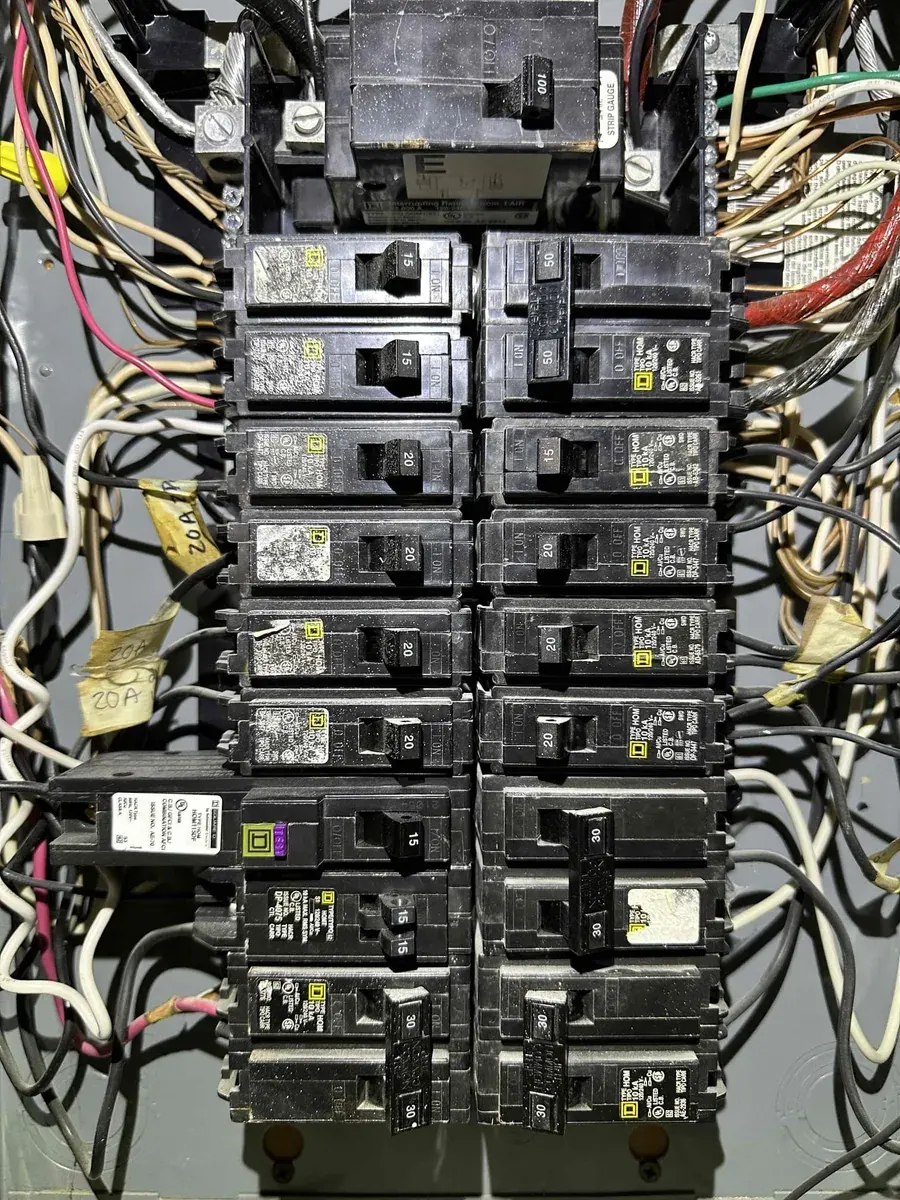
Fuse Boxes
If your home still uses a fuse box instead of a circuit breaker panel, it was almost certainly installed before the 1960s. Fuses work, but they can be replaced with higher-amperage fuses than the wiring can safely handle, which removes the protection they're supposed to provide. Learn more about the differences between fuse boxes and circuit breakers.
Recalled Panel Brands
Federal Pacific Electric (Stab-Lok) and Zinsco panels were installed in millions of mid-century American homes. Both have documented histories of breakers failing to trip under fault conditions. If you have either brand in your home, a panel replacement isn't a future consideration. It's a current safety issue.
Undersized Service
Many older homes were wired for 60-amp or 100-amp service. Modern households routinely need 150 to 200 amps. If your panel looks full or you've had to get creative with power strips, the service may not match what your home actually needs. An electrical panel upgrade is often the right answer.
Outlets Only on Two Walls, or Extension Cords Everywhere
What Safe Electric & Plumbing Does About It
If you've spotted any of these warning signs, or you're buying an older home in Columbus and want to know what you're getting into. Call Safe Electric & Plumbing at (614) 267-4111. One of our licensed electricians will inspect your home's electrical system and tell you exactly what's there, what's safe, and what needs attention. No pressure, no upsells. Just an honest look at where things stand.
Call (614) 267-4111